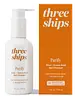
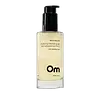
Three Ships Beauty Purify Aloe + Amino Acid Gel Cleanser Versus OM Organics White Willow Purifying Cleansing Gel
This mild gel cleanser is made to cleanse without leaving your skin tight or dry.
This mild gel cleanser is made to cleanse while calming and soothing your skin.

What's inside
What's inside
 Key Ingredients
Benefits
Concerns
Ingredients Side-by-side
Water
Skin ConditioningAloe Barbadensis Leaf Juice
Skin Conditioning


Disodium Cocoyl Glutamate
Cleansing
Glycerin
Humectant

Pentylene Glycol
Skin Conditioning
Populus Tremuloides Bark Extract
AntiseborrhoeicBetaine
Humectant
Saccharomyces Ferment Filtrate
Humectant

Cellulose Gum
Emulsion StabilisingHydrolyzed Jojoba Esters
Skin Conditioning
Xanthan Gum
EmulsifyingInulin
Skin Conditioning
Cellulose
Absorbent
Glucose
Humectant
Fructose
Humectant
Camellia Sinensis Extract
Antioxidant

Cucumis Sativus Extract
Skin Conditioning
Sodium PCA
Humectant
Sodium Lactate
Buffering
Arginine
Masking
Aspartic Acid
Masking
PCA
Humectant
Glycine
Buffering
Alanine
Masking
Serine
Masking
Valine
MaskingProline
Skin Conditioning
Threonine
Isoleucine
Skin ConditioningHistidine
Humectant
Phenylalanine
Masking
Citrus Aurantium Bergamia Peel Oil
Perfuming






Sodium Phytate
ChelatingCitric Acid
Buffering

Linalool
Perfuming
Limonene
Perfuming
Water, Aloe Barbadensis Leaf Juice, Disodium Cocoyl Glutamate, Glycerin, Pentylene Glycol, Populus Tremuloides Bark Extract, Betaine, Saccharomyces Ferment Filtrate, Cellulose Gum, Hydrolyzed Jojoba Esters, Xanthan Gum, Inulin, Cellulose, Glucose, Fructose, Camellia Sinensis Extract, Cucumis Sativus Extract, Sodium PCA, Sodium Lactate, Arginine, Aspartic Acid, PCA, Glycine, Alanine, Serine, Valine, Proline, Threonine, Isoleucine, Histidine, Phenylalanine, Citrus Aurantium Bergamia Peel Oil, Sodium Phytate, Citric Acid, Linalool, Limonene
Water
Skin ConditioningCoco-Glucoside
Cleansing
Propanediol
Solvent
Santalum Spicatum Wood Water
Foam BoostingGlycerin
Humectant
Sorbitan Oleate Decylglucoside Crosspolymer
CleansingCarthamus Tinctorius Seed Oil
Masking
Sodium PCA
Humectant
Cocamidopropyl Betaine
Cleansing
Hydroxyethylcellulose
Emulsion StabilisingSalix Alba Bark Extract
Astringent
Aloe Barbadensis Leaf Juice
Skin Conditioning
Sodium Gluconate
ChelatingCitrus Aurantium Dulcis Flower Extract
Skin ConditioningCitrus Limon Peel Oil
Masking
Citrus Aurantium Peel Oil
Cupressus Sempervirens Leaf Oil
Masking
Tocopherol
Antioxidant
Sodium Levulinate
Skin ConditioningXanthan Gum
EmulsifyingSodium Anisate
AntimicrobialPotassium Sorbate
Preservative
Lactic Acid
Buffering
Sodium Chloride
MaskingSodium Benzoate
Masking
Citric Acid
Buffering
Water, Coco-Glucoside, Propanediol, Santalum Spicatum Wood Water, Glycerin, Sorbitan Oleate Decylglucoside Crosspolymer, Carthamus Tinctorius Seed Oil, Sodium PCA, Cocamidopropyl Betaine, Hydroxyethylcellulose, Salix Alba Bark Extract, Aloe Barbadensis Leaf Juice, Sodium Gluconate, Citrus Aurantium Dulcis Flower Extract, Citrus Limon Peel Oil, Citrus Aurantium Peel Oil, Cupressus Sempervirens Leaf Oil, Tocopherol, Sodium Levulinate, Xanthan Gum, Sodium Anisate, Potassium Sorbate, Lactic Acid, Sodium Chloride, Sodium Benzoate, Citric Acid
Reviews
Ingredients Explained
These ingredients are found in both products.
Ingredients higher up in an ingredient list are typically present in a larger amount.
Aloe Barbadensis Leaf Juice is the filtered, stabilized liquid pressed from the inner gel of the aloe vera leaf.
In cosmetics, it shows up as either soothing active or a water-replacement base. It is roughly 98-99% water and the last 1-2% is an interesting mix of polysaccharides, amino acids, vitamins, minerals, and enzymes.
The polysaccharides do most of the work: they bind water at the skin surface for a light, non-greasy hydration boost. And one of the polysaccharides, glycomannan, is linked to fibroblast stimulation + collagen synthesis. This is also why aloe has such a long track record in wound and burn healing.
This ingredient is also calming with anti-inflammatory and mild antimicrobial activity, making it a great pick for sensitive, irritated, or post-sun skin.
Realistic expectations matter though; the solid evidence is mostly limited to hydration, soothing, and wound support. Deeper claims about anti-aging or sun protection are not well backed, and science reviews note it does not prevent radiation-induced skin injury.
Because it plays well with almost everything, it's commonly used as a base alongside other actives like niacinamide or vitamin C.
Typical usage concentrations range from 0.5% (where hydration benefits already show up) all the way to 90%+ (where it replaces water as the main base).
The safety for this ingredient is well-establish as well. Overall, this is a great supporting ingredient for those who want a boost in hydration.
Learn more about Aloe Barbadensis Leaf JuiceCitric Acid is an alpha hydroxy acid (AHA) naturally found in citrus fruits like oranges, lemons, and limes.
Like other AHAs, citric acid can exfoliate skin by breaking down the bonds that hold dead skin cells together. This helps reveal smoother and brighter skin underneath.
However, this exfoliating effect only happens at high concentrations (20%) which can be hard to find in cosmetic products.
Due to this, citric acid is usually included in small amounts as a pH adjuster. This helps keep products slightly more acidic and compatible with skin's natural pH.
In skincare formulas, citric acid can:
While it can provide some skin benefits, research shows lactic acid and glycolic acid are generally more effective and less irritating exfoliants.
Most citric acid used in skincare today is made by fermenting sugars (usually from molasses). This synthetic version is identical to the natural citrus form but easier to stabilize and use in formulations.
Rosacea skin has a lower threshold for acids generally, with 62.5% of rosacea subjects in one study reacting to lactic acid in a sting test. This is why we mark citric acid as a potential rosacea trigger.
However, this ingredient shows up as a pH adjuster or chelator at roughly 0.1-1% in many products. These low levels are unlikely to be an issue for rosacea skin and becomes a potential trigger at exfoliating concentrations (20%). Because everybody's skin is unique, we recommend a patch test if you are unsure.
Learn more about Citric AcidGlycerin (or glycerol) is a compound naturally found in your skin. It's a powerhouse humectant that pulls water into the stratum corneum.
Topically, glycerin does several things at once:
Your skin makes glycerin on its own (mostly from sebaceous oil breakdown) and shuttles it to your outermost layer of skin, or your epidermis, via aquaporin-3.
Aquaporin-3 is a transporter that is essential for normal skin hydration, elasticity, and repair. Interestingly, mice lacking in AQP3 have dry and less elastic skin that can be fully corrected with glycerin.
This ingredient is non-irritating, plays well with almost every ingredient, and works across all skin types. Typical use is anywhere between 3-10% but can go up to 79% in some leave-on products.
Just know very high concentrations (>40%) can feel tacky in low humidity.
Glycerin is the name for this ingredient in American English. British English uses Glycerol/Glycerine.
Learn more about GlycerinSodium PCA (the salt of PCA) is one of the most well-established humectants in skincare.
Why is it so special? Your skin already makes it naturally; it's a natural component of your skin's Natural Moisturizing Factor (NMF), or the mix of water-binding compounds inside your skin cells that keeps things soft and hydrated.
As a cosmetic ingredient, it grabs water and holds it in the upper layers of skin to smooth roughness and ease dehydration.
There's some clinical support for the NMF approach with a study showing that a cream built to mimic the skin's NMF significantly boosted hydration.
Safety-wise, this ingredient non-irritating, non-comedogenic, and non-phototoxic in testing, with minimal skin absorption.
It also works really well with other hydrators like glycerin or hyaluronic acid, and typical usage is somewhere between 0.2-4%.
Learn more about Sodium PCAWater. It's the most common cosmetic ingredient of all. You'll usually see it at the top of ingredient lists, meaning that it makes up the largest part of the product.
So why is it so popular? Water most often acts as a solvent - this means that it helps dissolve other ingredients into the formulation.
You'll also recognize water as that liquid we all need to stay alive. If you see this, drink a glass of water. Remember to stay hydrated!
Learn more about WaterXanthan gum is used as a stabilizer and thickener within cosmetic products. It helps give products a sticky, thick feeling - preventing them from being too runny.
On the technical side of things, xanthan gum is a polysaccharide - a combination consisting of multiple sugar molecules bonded together.
Xanthan gum is a pretty common and great ingredient. It is a natural, non-toxic, non-irritating ingredient that is also commonly used in food products.
Learn more about Xanthan Gum

