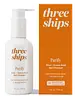
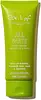
Three Ships Beauty Purify Aloe + Amino Acid Gel Cleanser Versus Dr. Lipp All Ways 100% Natural All Over Daily Wash
This mild gel cleanser is made to cleanse without leaving your skin tight or dry.
This mild gel cleanser is made to cleanse while calming and soothing your skin.


What's inside
What's inside
 Key Ingredients
Benefits
Concerns
Ingredients Side-by-side
Water
Skin ConditioningAloe Barbadensis Leaf Juice
Skin Conditioning


Disodium Cocoyl Glutamate
Cleansing
Glycerin
Humectant

Pentylene Glycol
Skin Conditioning
Populus Tremuloides Bark Extract
AntiseborrhoeicBetaine
Humectant
Saccharomyces Ferment Filtrate
Humectant

Cellulose Gum
Emulsion StabilisingHydrolyzed Jojoba Esters
Skin Conditioning
Xanthan Gum
EmulsifyingInulin
Skin Conditioning
Cellulose
Absorbent
Glucose
Humectant
Fructose
Humectant
Camellia Sinensis Extract
Antioxidant

Cucumis Sativus Extract
Skin Conditioning
Sodium PCA
Humectant
Sodium Lactate
Buffering
Arginine
Masking
Aspartic Acid
Masking
PCA
Humectant
Glycine
Buffering
Alanine
Masking
Serine
Masking
Valine
MaskingProline
Skin Conditioning
Threonine
Isoleucine
Skin ConditioningHistidine
Humectant
Phenylalanine
Masking
Citrus Aurantium Bergamia Peel Oil
Perfuming






Sodium Phytate
ChelatingCitric Acid
Buffering

Linalool
Perfuming
Limonene
Perfuming
Water, Aloe Barbadensis Leaf Juice, Disodium Cocoyl Glutamate, Glycerin, Pentylene Glycol, Populus Tremuloides Bark Extract, Betaine, Saccharomyces Ferment Filtrate, Cellulose Gum, Hydrolyzed Jojoba Esters, Xanthan Gum, Inulin, Cellulose, Glucose, Fructose, Camellia Sinensis Extract, Cucumis Sativus Extract, Sodium PCA, Sodium Lactate, Arginine, Aspartic Acid, PCA, Glycine, Alanine, Serine, Valine, Proline, Threonine, Isoleucine, Histidine, Phenylalanine, Citrus Aurantium Bergamia Peel Oil, Sodium Phytate, Citric Acid, Linalool, Limonene
Reviews
Alternatives
Ingredients Explained
These ingredients are found in both products.
Ingredients higher up in an ingredient list are typically present in a larger amount.
Aloe Barbadensis Leaf Juice is the filtered, stabilized liquid pressed from the inner gel of the aloe vera leaf.
In cosmetics, it shows up as either soothing active or a water-replacement base. It is roughly 98-99% water and the last 1-2% is an interesting mix of polysaccharides, amino acids, vitamins, minerals, and enzymes.
The polysaccharides do most of the work: they bind water at the skin surface for a light, non-greasy hydration boost. And one of the polysaccharides, glycomannan, is linked to fibroblast stimulation + collagen synthesis. This is also why aloe has such a long track record in wound and burn healing.
This ingredient is also calming with anti-inflammatory and mild antimicrobial activity, making it a great pick for sensitive, irritated, or post-sun skin.
Realistic expectations matter though; the solid evidence is mostly limited to hydration, soothing, and wound support. Deeper claims about anti-aging or sun protection are not well backed, and science reviews note it does not prevent radiation-induced skin injury.
Because it plays well with almost everything, it's commonly used as a base alongside other actives like niacinamide or vitamin C.
Typical usage concentrations range from 0.5% (where hydration benefits already show up) all the way to 90%+ (where it replaces water as the main base).
The safety for this ingredient is well-establish as well. Overall, this is a great supporting ingredient for those who want a boost in hydration.
Learn more about Aloe Barbadensis Leaf Juice

