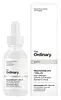
This oil-control serum is formulated around Niacinamide and Zinc PCA to balance excess oil and refine the look of pores.
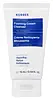
This mild cream cleanser is made to cleanse without leaving your skin tight or dry.


What's inside
What's inside
 Key Ingredients
No key ingredients
Benefits
Concerns
No concerns
Ingredients Side-by-side




Water
Skin ConditioningSodium Cocoyl Isethionate
Cleansing
Coco-Betaine
Cleansing
Cetearyl Alcohol
Emollient





Disodium Lauryl Sulfosuccinate
CleansingZea Mays Starch
Absorbent
Glycerin
Humectant


Cocamidopropyl Betaine
Cleansing
Sodium Chloride
MaskingMagnesium Aluminum Silicate
Absorbent
Sodium Methyl Cocoyl Taurate
Cleansing
Glyceryl Laurate
Emollient
Sclerotium Gum
Emulsion StabilisingAlpha-Glucan Oligosaccharide
Cleansing
Amaranthus Caudatus Seed Extract
Skin Conditioning
Chlorella Vulgaris Extract
Skin ConditioningCitric Acid
Buffering

Hydrogenated Castor Oil
Emollient
Hydrolyzed Rice Protein
Skin ConditioningLactic Acid
Buffering



Lactis Proteinum
Skin ConditioningLactobacillus
Skin ConditioningLactose
HumectantLaminaria Digitata Extract
Skin Protecting
Lonicera Caprifolium Flower Extract
Perfuming
Lonicera Japonica Flower Extract
Skin ConditioningMaltodextrin
Absorbent
Maris Aqua
HumectantPentylene Glycol
Skin Conditioning
Phenethyl Alcohol
MaskingPolymnia Sonchifolia Root Juice
Skin ConditioningSaccharide Isomerate
Humectant
Sodium Cocoyl Alaninate
Surfactant
Sodium Phytate
ChelatingTitanium Dioxide
Cosmetic Colorant

Yogurt
Skin ProtectingYogurt Powder
Phenoxyethanol
Preservative
Sodium Benzoate
Masking
Parfum
Masking
Water, Sodium Cocoyl Isethionate, Coco-Betaine, Cetearyl Alcohol, Disodium Lauryl Sulfosuccinate, Zea Mays Starch, Glycerin, Cocamidopropyl Betaine, Sodium Chloride, Magnesium Aluminum Silicate, Sodium Methyl Cocoyl Taurate, Glyceryl Laurate, Sclerotium Gum, Alpha-Glucan Oligosaccharide, Amaranthus Caudatus Seed Extract, Chlorella Vulgaris Extract, Citric Acid, Hydrogenated Castor Oil, Hydrolyzed Rice Protein, Lactic Acid, Lactis Proteinum, Lactobacillus, Lactose, Laminaria Digitata Extract, Lonicera Caprifolium Flower Extract, Lonicera Japonica Flower Extract, Maltodextrin, Maris Aqua, Pentylene Glycol, Phenethyl Alcohol, Polymnia Sonchifolia Root Juice, Saccharide Isomerate, Sodium Cocoyl Alaninate, Sodium Phytate, Titanium Dioxide, Yogurt, Yogurt Powder, Phenoxyethanol, Sodium Benzoate, Parfum
Reviews
Ingredients Explained
These ingredients are found in both products.
Ingredients higher up in an ingredient list are typically present in a larger amount.
Pentylene Glycol (1,2-pentanediol) is a multitasking little diol with three main roles in a formula:
Research on alkanediols (the family pentylene glycol belongs to) show they work by disrupting microbial cell membranes. This disruption helps the primary preservative system in a product work more effectively at lower doses.
On the safety side, the Cosmetic Ingredient Review Expert Panel has concluded this ingredient to be safe as used in current cosmetic practices + concentrations.
Typical use levels in a formula run about 1-5%.
Learn more about Pentylene GlycolPhenoxyethanol is one of the most widely used preservatives in skincare (and for good reason!).
It has a large spectrum of antimicrobial activity and especially effective bacteria, yeast, and mold while only having a weak effect on your skin's natural microbiome.
On a cellular level, it disrupts the cell membranes of microbes by poking holes that make the cell leak. This shuts down the chemical reactions the microbe needs to make energy so it can no longer survive.
Another perk of this ingredient is that it stays functional across a wide pH range (3-10).
You'll often see it paired with boosters like Ethylhexylglycerin; one study showed that a 1:9 ratio of Ethylhexylglycerin to Phenoxyethanol damages bacterial membranes as effectively as doubling the Phenoxyethanol concentration on its own.
Typical use concentrations range from 0.3-1% depending on the formula, and this ingredient is capped at 1% int the EU.
Safety-wise, the fear mongering does not hold up to the evidence. The EU's Scientific Committee on Consumer Safety and FDA consider it safe as a preservative at up to 1%, including for children of all ages.
Adverse systemic effects only showed up in animal studies at exposures roughly 200x higher than what people get from cosmetics. And despite its very widespread use, this ingredient is a rare sensitizer and allergic reactions are uncommon.
Learn more about PhenoxyethanolWater. It's the most common cosmetic ingredient of all. You'll usually see it at the top of ingredient lists, meaning that it makes up the largest part of the product.
So why is it so popular? Water most often acts as a solvent - this means that it helps dissolve other ingredients into the formulation.
You'll also recognize water as that liquid we all need to stay alive. If you see this, drink a glass of water. Remember to stay hydrated!
Learn more about Water

