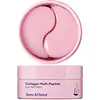
This anti-aging eye mask is formulated around Niacinamide and Acetyl Hexapeptide-8 to soften the look of wrinkles.
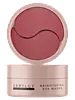
This brightening eye mask is formulated around Caffeine and Niacinamide to brighten dull-looking skin and soften the look of wrinkles.

What's inside
What's inside
 Key Ingredients
Benefits
Concerns
Ingredients Side-by-side
Water
Skin ConditioningGlycerin
Humectant


Niacinamide
Smoothing









Hydrolyzed Collagen
Emollient
Calcium Chloride
AstringentButyrospermum Parkii Butter
Skin Conditioning




Butylene Glycol
Humectant
1,2-Hexanediol
Skin Conditioning
Sodium Hyaluronate
Humectant
Potassium Hyaluronate
Skin ConditioningGlutathione
Ceramide NP
Skin Conditioning
Dimethylsilanol Hyaluronate
Humectant
Sodium Acetylated Hyaluronate
Humectant
Sodium Hyaluronate Crosspolymer
Humectant
Acetyl Hexapeptide-8
Humectant
Hydroxypropyltrimonium Hyaluronate
Hydrolyzed Sodium Hyaluronate
Skin Conditioning
Hydrolyzed Hyaluronic Acid
Humectant
Hyaluronic Acid
Humectant
Copper Tripeptide-1
Skin Conditioning
Acetyl Tetrapeptide-5
Humectant
Palmitoyl Tripeptide-1
Skin Conditioning
Palmitoyl Tripeptide-5
Skin Conditioning
Palmitoyl Pentapeptide-4
Skin Conditioning
Hexapeptide-3
Skin Conditioning
Caffeine
Skin Conditioning
Glucomannan
Skin ConditioningChondrus Crispus Powder
Abrasive
PEG-60 Hydrogenated Castor Oil
Emulsifying
Hydroxyacetophenone
Antioxidant
Pentylene Glycol
Skin Conditioning
Ceratonia Siliqua Gum
EmollientXanthan Gum
EmulsifyingEthylhexylglycerin
Skin ConditioningDextrin
AbsorbentMonascus Extract
Skin ConditioningHydroxyethylcellulose
Emulsion StabilisingAdenosine
Skin Conditioning
Disodium EDTA
ChelatingGardenia Florida Fruit Extract
Skin ConditioningCaprylic/Capric Triglyceride
Masking
Hydrogenated Lecithin
Emulsifying
Tocopheryl Acetate
Antioxidant
Prunella Vulgaris Extract
Antioxidant
Fucus Vesiculosus Extract
Emollient
Water, Glycerin, Niacinamide, Hydrolyzed Collagen, Calcium Chloride, Butyrospermum Parkii Butter, Butylene Glycol, 1,2-Hexanediol, Sodium Hyaluronate, Potassium Hyaluronate, Glutathione, Ceramide NP, Dimethylsilanol Hyaluronate, Sodium Acetylated Hyaluronate, Sodium Hyaluronate Crosspolymer, Acetyl Hexapeptide-8, Hydroxypropyltrimonium Hyaluronate, Hydrolyzed Sodium Hyaluronate, Hydrolyzed Hyaluronic Acid, Hyaluronic Acid, Copper Tripeptide-1, Acetyl Tetrapeptide-5, Palmitoyl Tripeptide-1, Palmitoyl Tripeptide-5, Palmitoyl Pentapeptide-4, Hexapeptide-3, Caffeine, Glucomannan, Chondrus Crispus Powder, PEG-60 Hydrogenated Castor Oil, Hydroxyacetophenone, Pentylene Glycol, Ceratonia Siliqua Gum, Xanthan Gum, Ethylhexylglycerin, Dextrin, Monascus Extract, Hydroxyethylcellulose, Adenosine, Disodium EDTA, Gardenia Florida Fruit Extract, Caprylic/Capric Triglyceride, Hydrogenated Lecithin, Tocopheryl Acetate, Prunella Vulgaris Extract, Fucus Vesiculosus Extract
Water
Skin ConditioningGlycerin
Humectant
Dipropylene Glycol
Humectant1,2-Hexanediol
Skin Conditioning
Ceratonia Siliqua Gum
EmollientChondrus Crispus Extract
Skin Conditioning
Betaine
Humectant
Chondrus Crispus Powder
Abrasive
Cellulose Gum
Emulsion StabilisingHyaluronic Acid
Humectant
Caffeine
Skin Conditioning
Niacinamide
Smoothing
Palmitoyl Tripeptide-5
Skin Conditioning
Acetyl Tetrapeptide-5
Humectant
Aloe Barbadensis Leaf Extract
Emollient
Vaccinium Angustifolium Fruit Extract
Skin Protecting
Citrullus Lanatus Fruit Extract
Skin Conditioning
Glycyrrhiza Glabra Root Extract
Bleaching
Cucumis Sativus Fruit Extract
Emollient
Lycium Chinense Fruit Extract
Antioxidant
Laminaria Japonica Extract
Skin Protecting
Helianthus Annuus Seed Oil
Emollient
Hizikia Fusiforme Extract
Skin Conditioning
Anthemis Nobilis Flower Extract
Masking
Gelidium Cartilagineum Extract
Skin ProtectingSalicornia Herbacea Extract
Skin ConditioningMica
Cosmetic ColorantSodium Polyacrylate
Absorbent
Potassium Chloride
Butylene Glycol
Humectant
Hydrogenated Polydecene
EmollientSucrose
Humectant
Polysorbate 20
Emulsifying
Ethylhexylglycerin
Skin ConditioningSynthetic Fluorphlogopite
CI 77891
Cosmetic ColorantTrideceth-6
EmulsifyingDisodium EDTA
ChelatingPhenoxyethanol
Preservative
CI 77491
Cosmetic ColorantWater, Glycerin, Dipropylene Glycol, 1,2-Hexanediol, Ceratonia Siliqua Gum, Chondrus Crispus Extract, Betaine, Chondrus Crispus Powder, Cellulose Gum, Hyaluronic Acid, Caffeine, Niacinamide, Palmitoyl Tripeptide-5, Acetyl Tetrapeptide-5, Aloe Barbadensis Leaf Extract, Vaccinium Angustifolium Fruit Extract, Citrullus Lanatus Fruit Extract, Glycyrrhiza Glabra Root Extract, Cucumis Sativus Fruit Extract, Lycium Chinense Fruit Extract, Laminaria Japonica Extract, Helianthus Annuus Seed Oil, Hizikia Fusiforme Extract, Anthemis Nobilis Flower Extract, Gelidium Cartilagineum Extract, Salicornia Herbacea Extract, Mica, Sodium Polyacrylate, Potassium Chloride, Butylene Glycol, Hydrogenated Polydecene, Sucrose, Polysorbate 20, Ethylhexylglycerin, Synthetic Fluorphlogopite, CI 77891, Trideceth-6, Disodium EDTA, Phenoxyethanol, CI 77491
Reviews
Ingredients Explained
These ingredients are found in both products.
Ingredients higher up in an ingredient list are typically present in a larger amount.
1,2-Hexanediol is a synthetic liquid and another multi-functional powerhouse.
It is a:
- Humectant, drawing moisture into the skin
- Emollient, helping to soften skin
- Solvent, dispersing and stabilizing formulas
- Preservative booster, enhancing the antimicrobial activity of other preservatives
Acetyl Tetrapeptide-5 is a peptide that goes by another name, eyeseryl, due to claims that it can help reduce eye puffiness.
The manufacturer claims this ingredient reduces eye puffiness by:
An in-vivo study from the manufacturer found 95% of volunteers saw eye bag improvement by the end of the study.
Eye puffiness is caused by two major factors: fluid retention and fat.
Those with fluid retention may see improvement from using this ingredient. However, those with eye fat will need surgical intervention in order to get rid of puffiness.
Learn more about Acetyl Tetrapeptide-5Butylene Glycol (or BG) is used within cosmetic products for a few different reasons:
Overall, Butylene Glycol is a safe and well-rounded ingredient that works well with other ingredients.
Though this ingredient works well with most skin types, some people with sensitive skin may experience a reaction such as allergic rashes, closed comedones, or itchiness.
Learn more about Butylene GlycolCaffeine is a naturally occurring plant compound found in coffee beans, tea leaves, cocoa pods, and guarana.
As an antioxidant, caffeine protects your skin from free radical damage caused by UV exposure and envionrmnetal stressors.
Early research also shows that caffeine can help calm redness, soothe irritated skin, and support hair growth by stimulating microcirculation in the scalp.
You might have seen eye creams marketing caffeine as a depuffing ingredient. This is because it is a vasoconstrictor meaning it can temporarily constrict blood vessels, though clinical evidence for this specific use is still limited.
Most skincare products contain this ingredient at concentrations between 1-6%. It is able to penetrate skin easily regardless of skin type or thickness.
Just so you know, a very small number of case reports describe caffeine-induced allergy. This ingredient is generally well-tolerated, non-irritating, and non-sensitizing for the majority of people.
Learn more about CaffeineCeratonia Siliqua Gum is extracted from the seeds of the carob tree. You might know this ingredient as Carob Gum or Locust Bean Gum. It is used to stabilize other ingredients and improve the texture of products.
Carob gum is made up of long-chain polysaccharides. This makes it a natural thickener.
Yes! This ingredient comes from the seeds of a tree. The name 'Locust Bean Gum' can be misleading.
Learn more about Ceratonia Siliqua GumChondrus Crispus Powder is just Irish moss, a red seaweed harvested, dried, and ground into a fine powder. Because it's the whole plant rather than a liquid extract, it has an official INCI job as an "abrasive".
This ingredient also happens to be loaded with carrageenan, a sugar-based polysaccharide, that allows it to double as a thickener and light hydrator.
Real world concentration is low; industry surveys report a maximum of 0.1% across 63 leave-on products.
The Cosmetic Ingredient Review Expert Panel reviewed it in 2021 and concluded it's safe at current use levels and every human sensitization study on it came back negative.
Allergy risk is very low with no documented pattern of reactions but anyone with a known seaweed or iodine sensitivity may want to patch test since dried Chondrus crispus does carry a small amount of natural iodine.
Learn more about Chondrus Crispus PowderDisodium EDTA is a chelating agent. It grabs onto and deactivates metal ions that sneak into your products from water, packaging, or air.
This ingredient mainly works behind the scenes and helps with:
On top of that, this ingredient can counteract the effects of hard water by binding to the minerals in it.
One thing worth knowing is that Disodium EDTA has been shown to be a mild penetration enhancer. It can help other ingredients absorb into skin more effectively which can be a double-edged sword (great for actives, but can also make the active too strong if you have sensitive skin).
Clinical patch testing showed no significant skin irritation at typical use concentrations and minimal dermal absorption.
You'll most likely see this ingredient near the end of an ingredient list. It's typically found in concentrations less than 1%.
Learn more about Disodium EDTAEthylhexylglycerin is created from glycerin. It is a multitasker ingredient that:
The CIR Expert Panel found minimal skin absorption or sensitization of any kind in a safety assessment. Though this ingredient is considered well-tolerated, a small number of cases of allergic dermatitis have been published since 2002. Just be sure to patch test if you are unsure.
Industry-reported use ranges from 8% in rinse-off products and 2% in leave-on formulations.
Learn more about EthylhexylglycerinGlycerin (or glycerol) is a compound naturally found in your skin. It's a powerhouse humectant that pulls water into the stratum corneum.
Topically, glycerin does several things at once:
Your skin makes glycerin on its own (mostly from sebaceous oil breakdown) and shuttles it to your outermost layer of skin, or your epidermis, via aquaporin-3.
Aquaporin-3 is a transporter that is essential for normal skin hydration, elasticity, and repair. Interestingly, mice lacking in AQP3 have dry and less elastic skin that can be fully corrected with glycerin.
This ingredient is non-irritating, plays well with almost every ingredient, and works across all skin types. Typical use is anywhere between 3-10% but can go up to 79% in some leave-on products.
Just know very high concentrations (>40%) can feel tacky in low humidity.
Glycerin is the name for this ingredient in American English. British English uses Glycerol/Glycerine.
Learn more about GlycerinHyaluronic acid (HA) is a glycosaminoglycan (basically a long sugar chain) that your skin already makes on its own. In your skin, HA lives in the extracellular matrix and acts as the body's moisture reservoir.
Topically, HA is a humectant that binds water and helps skin look more plump, smooth, and hydrated.
The only catch is that HA isn't a single thing; it actually comes in a wide range of molecular weights (~50 - 2,000+ kDA) and size matters.
Some clinical evidence links low molecular weight versions to improved wrinkle depth, elasticity, anti-inflammatory effects, and barrier repair.
This is why the best HA serums blend the two sizes together so you get the best of both worlds.
The majority of cosmetic HA is produced by bacterial fermentation, typically using Streptococcus or Bacillus strains. Typical use levels in skincare sit around 0.1-2%.
A clinical study using a 0.2% low-molecular weight HA gel showed improvement in facial seborrheic dermatitis with excellent tolerance.
These are some other common types of Hyaluronic Acid:
Learn more about Hyaluronic AcidNiacinamide is a multitasking form of vitamin B3 that strengthens the skin barrier, reduces pores and dark spots, regulates oil, and improves signs of aging.
And the best part? It's gentle and well-tolerated by most skin types, including sensitive and reactive skin.
You might have heard of "niacin flush", or the reddening of skin that causes itchiness. Niacinamide has not been found to cause this.
In very rare cases, some individuals may not be able to tolerate niacinamide at all or experience an allergic reaction to it.
If you are experiencing flaking, irritation, and dryness with this ingredient, be sure to double check all your products as this ingredient can be found in all categories of skincare.
When incorporating niacinamide into your routine, look out for concentration amounts. Typically, 5% niacinamide provides benefits such as fading dark spots. However, if you have sensitive skin, it is better to begin with a smaller concentration.
When you apply niacinamide to your skin, your body converts it into nicotinamide adenine dinucleotide (NAD). NAD is an essential coenzyme that is already found in your cells as "fuel" and powers countless biological processes.
In your skin, NAD helps repair cell damage, produce new healthy cells, support collagen production, strengthen the skin barrier, and fight environmental stressors (like UV and pollution).
Our natural NAD levels start to decline with age, leading to slower skin repair, visible aging, and a weaker skin barrier. By providing your skin niacinamide, you're recharging your skin's NAD levels. This leads to stronger, healthier, and younger looking skin.
Another name for vitamin B3 is nicotinamide. This vitamin is water-soluble and our bodies don't store it. We obtain Vitamin B3 from either food or skincare. Meat, fish, wheat, yeast, and leafy greens contain vitamin B3.
The type of niacinamide used in skincare is synthetically created.
Learn more about NiacinamidePalmitoyl Tripeptide-5 is a synthetic signal lipopeptide. This just means it is a three amino acid chain bolted onto a palmitic acid tail so it can slip through the skin's lipid barrier.
This peptide has a "build more, lose less" approach.
It's designed to mimic the collagen-stimulating activity in your skin by copying a snippet of one of your skin's own matrix proteins. This nudges fibroblasts into making more collagen while inhibiting the enzyme that breaks down skin protein.
The manufacturer's in vivo study of 45 volunteers found 1% and 2.5% reduced the appearance of wrinkles by 7% and 12% respectively, after using it twice daily for 84 days.
This is in the expected range for peptides; they're slow and cumulative actives and not overnight fixers.
Typical use levels range from 1-3% and this ingredient gets along with pretty much everything.
On the fungal acne front:
Although palmitic acid sits in the chain length that Malassezia can feed on, this ingredient has it locked in an amine bond. This makes it hard for Malassezia to access as a source of food, and therefore fungal acne safe.
Water. It's the most common cosmetic ingredient of all. You'll usually see it at the top of ingredient lists, meaning that it makes up the largest part of the product.
So why is it so popular? Water most often acts as a solvent - this means that it helps dissolve other ingredients into the formulation.
You'll also recognize water as that liquid we all need to stay alive. If you see this, drink a glass of water. Remember to stay hydrated!
Learn more about Water

