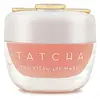
This hydrating lip mask is formulated around Squalane and Camellia Japonica Seed Oil to hydrate lips and strengthen the lip barrier.
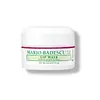
This hydrating lip mask is formulated around Bis-Diglyceryl Polyacyladipate-2 and Butyrospermum Parkii Butter to hydrate lips and strengthen the lip barrier.

What's inside
What's inside
 Key Ingredients
Benefits
Concerns
Ingredients Side-by-side
Triisostearin
Skin Conditioning

Polyglyceryl-2 Triisostearate
Emulsifying
Squalane
Emollient


Dextrin Palmitate
Emulsifying
Vp/Hexadecene Copolymer
Silica
Abrasive


Dextrin Palmitate/Ethylhexanoate
Emulsifying
Camellia Japonica Seed Oil
Emollient
Prunus Persica Kernel Extract
MoisturisingPrunus Persica Juice
MoisturisingPrunus Persica Leaf Extract
Emollient
Citrus Unshiu Peel Extract
MaskingSaccharomyces/Rice Ferment Filtrate
Skin Conditioning
Camellia Sinensis Leaf Extract
Antimicrobial



Cladosiphon Okamuranus Extract
Skin Conditioning

Allantoin
Skin Conditioning
Stearyl Glycyrrhetinate
Skin ConditioningTocopherol
Antioxidant

Pyridoxine Hcl
Skin ConditioningWater
Skin ConditioningPropanediol
Solvent
Butylene Glycol
Humectant
Ethylhexylglycerin
Skin ConditioningParfum
Masking


Phenoxyethanol
Preservative
Limonene
Perfuming
Linalool
Perfuming
CI 77491
Cosmetic ColorantTriisostearin, Polyglyceryl-2 Triisostearate, Squalane, Dextrin Palmitate, Vp/Hexadecene Copolymer, Silica, Dextrin Palmitate/Ethylhexanoate, Camellia Japonica Seed Oil, Prunus Persica Kernel Extract, Prunus Persica Juice, Prunus Persica Leaf Extract, Citrus Unshiu Peel Extract, Saccharomyces/Rice Ferment Filtrate, Camellia Sinensis Leaf Extract, Cladosiphon Okamuranus Extract, Allantoin, Stearyl Glycyrrhetinate, Tocopherol, Pyridoxine Hcl, Water, Propanediol, Butylene Glycol, Ethylhexylglycerin, Parfum, Phenoxyethanol, Limonene, Linalool, CI 77491
1,2-Hexanediol
Skin Conditioning
Bis-Diglyceryl Polyacyladipate-2
Emollient
Butyrospermum Parkii Butter
Skin Conditioning
Caprylyl Glycol
Emollient
Carica Papaya Seed Oil
Humectant
Carthamus Tinctorius Seed Oil
Masking
Cocos Nucifera Fruit Extract
Emollient
Cocos Nucifera Oil
Masking
Euterpe Oleracea Fruit Oil
Skin Conditioning
Parfum
Masking
Glycine Soja Oil
Emollient
Helianthus Annuus Seed Oil
Emollient
Hydrogenated Styrene/Isoprene Copolymer
Hydrogenated Polyisobutene
EmollientHydrogenated Styrene/Butadiene Copolymer
Microcrystalline Wax
Emulsion StabilisingPentaerythrityl Tetra-Di-T-Butyl Hydroxyhydrocinnamate
Antioxidant
Polybutene
Sambucus Nigra Fruit Extract
AstringentSqualane
Emollient
Sucrose Tetrastearate Triacetate
Emollient
Synthetic Wax
Abrasive
Tetrahexyldecyl Ascorbate
Antioxidant

Tocopherol
Antioxidant
Vanilla Planifolia Fruit Extract
Skin Conditioning
1,2-Hexanediol, Bis-Diglyceryl Polyacyladipate-2, Butyrospermum Parkii Butter, Caprylyl Glycol, Carica Papaya Seed Oil, Carthamus Tinctorius Seed Oil, Cocos Nucifera Fruit Extract, Cocos Nucifera Oil, Euterpe Oleracea Fruit Oil, Parfum, Glycine Soja Oil, Helianthus Annuus Seed Oil, Hydrogenated Styrene/Isoprene Copolymer, Hydrogenated Polyisobutene, Hydrogenated Styrene/Butadiene Copolymer, Microcrystalline Wax, Pentaerythrityl Tetra-Di-T-Butyl Hydroxyhydrocinnamate, Polybutene, Sambucus Nigra Fruit Extract, Squalane, Sucrose Tetrastearate Triacetate, Synthetic Wax, Tetrahexyldecyl Ascorbate, Tocopherol, Vanilla Planifolia Fruit Extract
Reviews
Ingredients Explained
These ingredients are found in both products.
Ingredients higher up in an ingredient list are typically present in a larger amount.
Parfum is a catch-all term for an ingredient or more that is used to give a scent to products.
Also called "fragrance", this ingredient can be a blend of hundreds of chemicals or plant oils. This means every product with "fragrance" or "parfum" in the ingredients list is a different mixture.
For instance, Habanolide is a proprietary trade name for a specific aroma chemical. When used as a fragrance ingredient in cosmetics, most aroma chemicals fall under the broad labeling category of “FRAGRANCE” or “PARFUM” according to EU and US regulations.
The term 'parfum' or 'fragrance' is not regulated in many countries. In many cases, it is up to the brand to define this term.
For instance, many brands choose to label themselves as "fragrance-free" because they are not using synthetic fragrances. However, their products may still contain ingredients such as essential oils that are considered a fragrance by INCI standards.
One example is Calendula flower extract. Calendula is an essential oil that still imparts a scent or 'fragrance'.
Depending on the blend, the ingredients in the mixture can cause allergies and sensitivities on the skin. Some ingredients that are known EU allergens include linalool and citronellol.
Parfum can also be used to mask or cover an unpleasant scent.
The bottom line is: not all fragrances/parfum/ingredients are created equally. If you are worried about fragrances, we recommend taking a closer look at an ingredient. And of course, we always recommend speaking with a professional.
Learn more about ParfumSqualane is the hydrogenated and shelf-stable form of squalene (a lipid that naturally occurs in human sebum).
It is an emollient and skin conditioning agent that is able to integrate seamlessly into the skin's lipid barrier without clogging pores.
This is due to how structurally similar it is to what your skin already produces.
Though it is mostly an emollient that helps soften and hydrate skin, it also has some humectant and occlusive action. Humectants help the skin retain moisture while occlusives seal it in, making squalane a triple-threat moisturizer.
Research shows it has antioxidant capabilities that help protect against stressors like UV exposure, specifically UVA induced oxidative stress. This study also found that it supports collagen biosynthesis in human dermal fibroblasts.
No clinical study has reported significant adverse effects and irritation reactions are very rare from this ingredient (even at 100% concentration).
Overall, it's a fantastic ingredient for hydration and is suitable for all skin types.
This depends on the source. Squalane can be derived from both plants and animals. Most squalane used in skincare comes from plants.
Please note: the source of squalane is only known if disclosed by the brand. We recommend reaching out to the brand if you have any questions about their squalane.
Read more about squalene with an "e".
Though squalane is often called an oil, it’s technically not one. It is a hydrocarbon, meaning it is only made of carbon and hydrogen. True oils are triglycerides and made of fatty acids and glycerol.
The term “oil-free” isn’t regulated so companies can define it however they want. Some exclude all oils, while others just avoid mineral oil or comedogenic oils.
Squalane has a comedogenic rating of 1 from the original 1972 study that tested raw ingredients under occlusion on rabbit ears. This system is not standardized or peer-reviewed, and using the raw ingredients is very different from how diluted cosmetic formulations are used on human skin.
A comedogenic rating of 1 means it is "unlikely to clog pores" according to the original rating system.
The overall formula of a product matters more than the individual ingredients on whether or not it will cause clogged pores.
Learn more about SqualaneTocopherol is a fat-soluble antioxidant known as Vitamin E.
You'll find this ingredient in the vast majority of skincare (for good reason). It works to neutralize free radicals, or unstable molecules generated by UV exposure, pollution, and other environmental stressors, before they can cause oxidative damage to your skin cells.
Topically applied tocopherol has been shown to protect against UV damage by ramping up the skin's own natural defense enzymes.
It also acts as a skin conditioning agent; some studies show that regular topical use can improve the skin's water-binding capacity over 2-4 weeks.
This ingredient is especially loved for being a team player. When combined with Vitamin C, the photoprotective effect of both ingredients roughly doubles and the combo also helps reduce UV-induced DNA damage.
This ingredient has some brightening potential but it's more of a prevention ingredient than spot-fader. Cell studies show it can slow down melanin production but it's worth noting that it's not the most powerful brightener out there.
In formulations, it also serves as a stabilizer that helps protect other oxidation-prone ingredients from degrading.
Concentrations usually range from 0.1-1% in most leave-on products.
Learn more about Tocopherol

