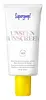
This chemical sunscreen covers most of the UV range, lighter on the deep UVA that drives aging.
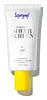
This hybrid sunscreen covers the full UV range and blocks ~97% of UVB at SPF 30.

What's inside
What's inside
 Key Ingredients
Benefits
Concerns
Ingredients Side-by-side
Butyl Methoxydibenzoylmethane 3%
UV Absorber
Homosalate 8%
Skin Conditioning
Ethylhexyl Salicylate 5%
UV Absorber
Octocrylene 4%
UV Absorber

Isododecane
EmollientDimethicone Crosspolymer
Emulsion Stabilising
Dimethicone/Bis-Isobutyl PPG-20 Crosspolymer
Emollient
Polymethylsilsesquioxane
Isohexadecane
EmollientDicaprylyl Carbonate
EmollientMeadowfoam Estolide
Skin ConditioningCaprylic/Capric Triglyceride
Masking


Polyester-7
Skin ConditioningNeopentyl Glycol Diheptanoate
EmollientLithothamnion Calcareum Extract
Skin ConditioningCaprylyl Glycol
Emollient
Butyrospermum Parkii Butter
Skin Conditioning



Jojoba Esters
Emollient
Mannitol
Humectant
Boswellia Serrata Resin Extract
SmoothingLecithin
Emollient
Microcrystalline Cellulose
AbsorbentDiatomaceous Earth
Abrasive

Zinc Sulfate
Antimicrobial
Silica
Abrasive
Tocopherol
Antioxidant





Butyl Methoxydibenzoylmethane 3%, Homosalate 8%, Ethylhexyl Salicylate 5%, Octocrylene 4%, Isododecane, Dimethicone Crosspolymer, Dimethicone/Bis-Isobutyl PPG-20 Crosspolymer, Polymethylsilsesquioxane, Isohexadecane, Dicaprylyl Carbonate, Meadowfoam Estolide, Caprylic/Capric Triglyceride, Polyester-7, Neopentyl Glycol Diheptanoate, Lithothamnion Calcareum Extract, Caprylyl Glycol, Butyrospermum Parkii Butter, Jojoba Esters, Mannitol, Boswellia Serrata Resin Extract, Lecithin, Microcrystalline Cellulose, Diatomaceous Earth, Zinc Sulfate, Silica, Tocopherol
Zinc Oxide 17.5%
Cosmetic Colorant
Water
Skin ConditioningIsododecane
EmollientCaprylic/Capric Triglyceride
Masking
Butyloctyl Salicylate
Skin Conditioning
Propanediol
Solvent
Glycerin
Humectant
Squalane
Emollient
Trioctyldodecyl Citrate
EmollientPolyglycerin-3
Humectant
Polyglyceryl-3 Lactate/Laurate
CleansingPolysilicone-11
Cetearyl Alcohol
Emollient
Glyceryl Stearate
Emollient
Sodium Stearoyl Glutamate
CleansingButylene Glycol
Humectant
Xanthan Gum
EmulsifyingPolyacrylate Crosspolymer-6
Emulsion StabilisingIsostearic Acid
Cleansing
Lecithin
Emollient
Polyglyceryl-3 Polyricinoleate
Emulsifying
Polyhydroxystearic Acid
Emulsifying
Caprylhydroxamic Acid
ChelatingCitric Acid
Buffering
Aloe Barbadensis Leaf Juice
Skin Conditioning
Lespedeza Capitata Leaf/Stem Extract
Skin ConditioningMaltodextrin
Absorbent
Sodium Hyaluronate
Humectant
Zinc Oxide 17.5%, Water, Isododecane, Caprylic/Capric Triglyceride, Butyloctyl Salicylate, Propanediol, Glycerin, Squalane, Trioctyldodecyl Citrate, Polyglycerin-3, Polyglyceryl-3 Lactate/Laurate, Polysilicone-11, Cetearyl Alcohol, Glyceryl Stearate, Sodium Stearoyl Glutamate, Butylene Glycol, Xanthan Gum, Polyacrylate Crosspolymer-6, Isostearic Acid, Lecithin, Polyglyceryl-3 Polyricinoleate, Polyhydroxystearic Acid, Caprylhydroxamic Acid, Citric Acid, Aloe Barbadensis Leaf Juice, Lespedeza Capitata Leaf/Stem Extract, Maltodextrin, Sodium Hyaluronate
Reviews
Ingredients Explained
These ingredients are found in both products.
Ingredients higher up in an ingredient list are typically present in a larger amount.
Caprylic/Capric Triglyceride (aka MCT Oil) is a lightweight emollient, solvent, and texture enhancer. It is considered a skin-softener by helping to prevent moisture loss.
Though it behaves like an oil, it is not technically one due to its chemical composition. One perk of this ingredient is that it is very stable, resistant to oxidation, and unlikely to go rancid.
In practice, that translates to a long shelf life and a consistently elegant skin feel.
While there is an assumption Caprylic Triglyceride can clog pores due to it being derived from coconut oil, there is no research supporting this. Just patch test if you have concerns.
Fractionated coconut oil and MCT Oil are both listed as Caprylic/Capric Triglyceride according to INCI. This is because INCI names are based on the ingredient’s final chemical composition and not its marketing name or source.
This ingredient is treated as the gold standard fungal acne safe oil. Even though it is coconut derived, the problematic lauric acid is stripped out.
This leaves just caprylic (C8) and capric (C10) acid. These chain lengths actually trend antifungal; a 2020 study found caprylic acid was enough to disrupt Malassezia furfur cell membrane, with a caprylic acid derivative damaging membrane structures at concentrations as low as 0.2%.
Learn more about Caprylic/Capric TriglycerideIsododecane is a fragrance, emollient, and solvent.
As an emollient, it helps your skin stay soft and hydrated. Emollients help trap moisture into your skin.
Isododecane's role as a solvent makes it a great texture enhancer. It spreads smoothly on skin and does not leave a sticky feeling behind. Isododecane also helps prevent color transfer in makeup products.
Isododecane is not absorbed into skin.
The chemical name for this ingredient is 2,2,4,6,6-PENTAMETHYLHEPTANE.
Learn more about IsododecaneLecithin is a term for a group of substances found in the cell membranes of plants, animals, and humans. They are made up of phospholipids.
Thanks to its amphiphilic structure (water-loving head and oil-loving tail), it is a true multitasker:
It plays well with most ingredients and is typically used at 0.1-1%. However, concentrations up to 50% have been reported in moisturizers.
Learn more about Lecithin

