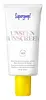
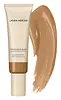
Supergoop! Unseen Sunscreen SPF 40 PA+++ Versus Laura Mercier Tinted Moisturizer Natural Skin Perfector SPF 30
This chemical sunscreen covers most of the UV range, lighter on the deep UVA that drives aging.


What's inside
What's inside
 Key Ingredients
Benefits
Concerns
Ingredients Side-by-side
Butyl Methoxydibenzoylmethane 3%
UV Absorber
Homosalate 8%
Skin Conditioning
Ethylhexyl Salicylate 5%
UV Absorber
Octocrylene 4%
UV Absorber

Isododecane
EmollientDimethicone Crosspolymer
Emulsion Stabilising
Dimethicone/Bis-Isobutyl PPG-20 Crosspolymer
Emollient
Polymethylsilsesquioxane
Isohexadecane
EmollientDicaprylyl Carbonate
EmollientMeadowfoam Estolide
Skin ConditioningCaprylic/Capric Triglyceride
Masking


Polyester-7
Skin ConditioningNeopentyl Glycol Diheptanoate
EmollientLithothamnion Calcareum Extract
Skin ConditioningCaprylyl Glycol
Emollient
Butyrospermum Parkii Butter
Skin Conditioning



Jojoba Esters
Emollient
Mannitol
Humectant
Boswellia Serrata Resin Extract
SmoothingLecithin
Emollient
Microcrystalline Cellulose
AbsorbentDiatomaceous Earth
Abrasive

Zinc Sulfate
Antimicrobial
Silica
Abrasive
Tocopherol
Antioxidant





Butyl Methoxydibenzoylmethane 3%, Homosalate 8%, Ethylhexyl Salicylate 5%, Octocrylene 4%, Isododecane, Dimethicone Crosspolymer, Dimethicone/Bis-Isobutyl PPG-20 Crosspolymer, Polymethylsilsesquioxane, Isohexadecane, Dicaprylyl Carbonate, Meadowfoam Estolide, Caprylic/Capric Triglyceride, Polyester-7, Neopentyl Glycol Diheptanoate, Lithothamnion Calcareum Extract, Caprylyl Glycol, Butyrospermum Parkii Butter, Jojoba Esters, Mannitol, Boswellia Serrata Resin Extract, Lecithin, Microcrystalline Cellulose, Diatomaceous Earth, Zinc Sulfate, Silica, Tocopherol
Ethylhexyl Methoxycinnamate
UV Absorber
Ethylhexyl Salicylate
UV Absorber
Water
Skin ConditioningDisiloxane
Skin Conditioning
PEG-30 Dipolyhydroxystearate
Emulsifying
C12-15 Alkyl Benzoate
AntimicrobialEthylhexyl Palmitate
Emollient
Glycerin
Humectant
Isohexadecane
EmollientCyclopentasiloxane
Emollient
Phenoxyethanol
Preservative
Boron Nitride
Absorbent
Jojoba Esters
Emollient
Magnesium Stearate
Cosmetic ColorantSodium Dehydroacetate
Preservative
Squalane
Emollient
Lauryl PCA
HumectantTocopheryl Acetate
Antioxidant
Methyl Di-T-Butyl Hydroxyhydrocinnamate
Antioxidant

Isopropyl Titanium Triisostearate
Emollient
Disodium EDTA
PPG-15
Skin ConditioningPPG-15 Stearyl Ether
EmollientDipotassium Glycyrrhizate
Humectant
Methylparaben
Preservative
Propylparaben
Preservative
CI 77891
Cosmetic ColorantCI 77492
Cosmetic ColorantCI 77491
Cosmetic ColorantCI 77499
Cosmetic ColorantEthylhexyl Methoxycinnamate, Ethylhexyl Salicylate, Water, Disiloxane, PEG-30 Dipolyhydroxystearate, C12-15 Alkyl Benzoate, Ethylhexyl Palmitate, Glycerin, Isohexadecane, Cyclopentasiloxane, Phenoxyethanol, Boron Nitride, Jojoba Esters, Magnesium Stearate, Sodium Dehydroacetate, Squalane, Lauryl PCA, Tocopheryl Acetate, Methyl Di-T-Butyl Hydroxyhydrocinnamate, Isopropyl Titanium Triisostearate, Disodium EDTA, PPG-15, PPG-15 Stearyl Ether, Dipotassium Glycyrrhizate, Methylparaben, Propylparaben, CI 77891, CI 77492, CI 77491, CI 77499
Reviews
Ingredients Explained
These ingredients are found in both products.
Ingredients higher up in an ingredient list are typically present in a larger amount.
Ethylhexyl Salicylate (also called Octisalate or Octyl Salicylate) is an oil-soluble organic UV filter that's been used in sunscreen since the 1950's.
It absorbs UVB light in the 280-320 nm range with a peak absorbance around 306 nm.
You'll often see it paired with other UV filters to boost overall SPF because octisalate is a fairly week filter on its own.
The reason you'll see it so often is because it can help solubilize and stabilize the trickier filters like oxybenzone and avobenzone.
Unlike these filters, octisalate has pretty good photostability and doesn't create skin-damaging free radicals when exposed to sunlight.
The fatty-alcohol part of the molecule also gives it a light, emollient feel so it doubles as a nice texture enhancer.
Usage levels vary around the world:
Safety-wise, this ingredient has a pretty reassuring track record. The EU's Scientific Committee on Consumer Products (SCCP) found very low skin penetration in human skin tests and negative results for irritation, phototoxicity, and photoallergy.
The real-world allergy risk is pretty low too; a 2012 European study of 1,031 people recorded only 2 reactions to it (a rate of 0.19%).
You might have seen scary headlines about sunscreen getting into your blood.
In 2019, the FDA found that several chemical filters can absorb through the skin and show up in the bloodstream at small but measurable levels.
Here's the important part: these tiny levels are just a cutoff the FDA uses to decide which ingredients need more testing and doesn't mean anything harmful was found.
The researchers were clear that the results are no reason to stop wearing sunscreen.
Learn more about Ethylhexyl SalicylateIsohexadecane is added to enhance texture, emulsify, and to help cleanse. It is an isoparrafin. It is a component of petrolatum.
Due to its large size, Isohexadecane is not absorbed by the skin. Instead, it sits on top and acts as an emollient. Emollients help keep your skin soft and smooth by trapping moisture within.
Isohexadecane is often used in products designed to help oily skin. It is lightweight and non-greasy while helping to moisturize. When mixed with silicones, it gives a product a silky feel.
Learn more about IsohexadecaneJojoba Esters is a wax created from Jojoba oil. It is an emollient and film-forming ingredient. In bead form, it is an exfoliator.
This ingredient has high oxidative stability, meaning it doesn't break down when exposed to oxygen.
Its similarity to our skin's natural oils makes it a great emollient. Emollients help soften and soothe our skin by creating a barrier on top. This barrier helps trap moisture in, keeping skin hydrated.
It is created using either the hydrogenation or transesterification processes on jojoba oil.
Learn more about Jojoba Esters

