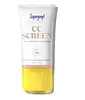
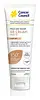
Supergoop! CC Screen 100% Mineral CC Cream SPF 50 Versus Cancer Council Face Day Wear BB Cream Tinted SPF 50+


What's inside
What's inside
 Key Ingredients
Benefits
Concerns
No concerns
Ingredients Side-by-side
Titanium Dioxide 4%
Cosmetic Colorant

Zinc Oxide 20%
Cosmetic Colorant
Water
Skin ConditioningC12-15 Alkyl Benzoate
AntimicrobialButyloctyl Salicylate
Skin Conditioning
Isododecane
EmollientPropanediol
Solvent

Glycerin
Humectant
Cetyl Diglyceryl Tris(Trimethylsiloxy)Silylethyl Dimethicone
Emulsion Stabilising
1,2-Hexanediol
Skin Conditioning
Pyrus Malus Fruit Extract
Skin Conditioning
Sodium Chloride
MaskingSilica
Abrasive

Triethoxycaprylylsilane
Dimethicone/Vinyl Dimethicone Crosspolymer
Skin Conditioning
Mica
Cosmetic ColorantIron Oxides
Hydroxyacetophenone
Antioxidant
Diethylhexyl Syringylidenemalonate
Skin Protecting
Trisodium Ethylenediamine Disuccinate
ChelatingChlorphenesin
Antimicrobial
Xanthan Gum
EmulsifyingChondrus Crispus Extract
Skin Conditioning
Caprylic/Capric Triglyceride
Masking
Tin Oxide
Abrasive
Sodium Hyaluronate
Humectant

Tocopherol
Antioxidant


Titanium Dioxide 4%, Zinc Oxide 20%, Water, C12-15 Alkyl Benzoate, Butyloctyl Salicylate, Isododecane, Propanediol, Glycerin, Cetyl Diglyceryl Tris(Trimethylsiloxy)Silylethyl Dimethicone, 1,2-Hexanediol, Pyrus Malus Fruit Extract, Sodium Chloride, Silica, Triethoxycaprylylsilane, Dimethicone/Vinyl Dimethicone Crosspolymer, Mica, Iron Oxides, Hydroxyacetophenone, Diethylhexyl Syringylidenemalonate, Trisodium Ethylenediamine Disuccinate, Chlorphenesin, Xanthan Gum, Chondrus Crispus Extract, Caprylic/Capric Triglyceride, Tin Oxide, Sodium Hyaluronate, Tocopherol
Water
Skin ConditioningIsopropyl Palmitate
Emollient




Neopentyl Glycol Diheptanoate
EmollientOctocrylene
UV Absorber
Butyl Methoxydibenzoylmethane
UV Absorber
Ethylhexyl Triazone
UV Absorber
4-Methylbenzylidene Camphor
UV Absorber
Hydrated Silica
Abrasive
Stearic Acid
Cleansing
Cetearyl Alcohol
Emollient
Triethanolamine
BufferingPolyglyceryl-3 Diisostearate
Emulsifying
Magnesium Aluminum Silicate
Absorbent
Dimethicone
Emollient
Phenoxyethanol
Preservative
Hydroxyacetophenone
Antioxidant
Xanthan Gum
EmulsifyingTocopheryl Acetate
Antioxidant
Terminalia Ferdinandiana Fruit Powder
Antioxidant
Actinidia Chinensis Fruit Extract
EmollientChamomilla Recutita Flower Extract
Masking
Tetrasodium EDTA
ChelatingArgania Spinosa Kernel Oil
Emollient
Simmondsia Chinensis Seed Oil
Emollient
Euterpe Oleracea Fruit Oil
Skin Conditioning
Camellia Sinensis Leaf Extract
Antimicrobial
Aloe Barbadensis Leaf Juice
Skin Conditioning
CI 77891
Cosmetic ColorantIron Oxides
Water, Isopropyl Palmitate, Neopentyl Glycol Diheptanoate, Octocrylene, Butyl Methoxydibenzoylmethane, Ethylhexyl Triazone, 4-Methylbenzylidene Camphor, Hydrated Silica, Stearic Acid, Cetearyl Alcohol, Triethanolamine, Polyglyceryl-3 Diisostearate, Magnesium Aluminum Silicate, Dimethicone, Phenoxyethanol, Hydroxyacetophenone, Xanthan Gum, Tocopheryl Acetate, Terminalia Ferdinandiana Fruit Powder, Actinidia Chinensis Fruit Extract, Chamomilla Recutita Flower Extract, Tetrasodium EDTA, Argania Spinosa Kernel Oil, Simmondsia Chinensis Seed Oil, Euterpe Oleracea Fruit Oil, Camellia Sinensis Leaf Extract, Aloe Barbadensis Leaf Juice, CI 77891, Iron Oxides
Reviews
Ingredients Explained
These ingredients are found in both products.
Ingredients higher up in an ingredient list are typically present in a larger amount.
Hydroxyacetophenone is a small phenolic molecule that earns its place in a formulas as an antioxidant and preservative booster.
As a phenol, it is able to neutralize free radicals to protect both the product and the skin from oxidative stress.
Though it can't kill microbes on its own, it works as a good supporting agent when combined with other preservatives like Phenoxyethanol or 1,2-Hexanediol.
This ingredient naturally occurs as piceol in Norwegian spruce needles (~0.4-1.1% dry weight and in cloudberries). Though the cosmetic-grade material is synthesized for purity and consistency.
You'll usually see it used at low levels and suppliers recommend up to 1% added to a water phase.
Safety testing was done at concentrations like 0.05% in SPF products and 0.5% in a Human Repeated Insult Patch Test. The safety evidence is assuring; this ingredient is safe for cosmetics in current use and also holds safety status as a food flavoring as well.
An honest caveat: the "soothing" and "anti-inflammatory" claims come mostly from supplier marketing rather than published clinical trials. The Cosmetic Ingredient Review's own literature search found no useful efficacy studies on this ingredient.
So the antioxidant and preservative-boosting roles are the well supported ones while the calming benefit is plausible but thinly evidenced.
Overall, this is a well-tolerated, low-irritation multitasker that quietly helps a formula stay fresh and stable.
Learn more about HydroxyacetophenoneWater. It's the most common cosmetic ingredient of all. You'll usually see it at the top of ingredient lists, meaning that it makes up the largest part of the product.
So why is it so popular? Water most often acts as a solvent - this means that it helps dissolve other ingredients into the formulation.
You'll also recognize water as that liquid we all need to stay alive. If you see this, drink a glass of water. Remember to stay hydrated!
Learn more about WaterXanthan gum is used as a stabilizer and thickener within cosmetic products. It helps give products a sticky, thick feeling - preventing them from being too runny.
On the technical side of things, xanthan gum is a polysaccharide - a combination consisting of multiple sugar molecules bonded together.
Xanthan gum is a pretty common and great ingredient. It is a natural, non-toxic, non-irritating ingredient that is also commonly used in food products.
Learn more about Xanthan GumThis ingredient is a combination of red, black, and yellow iron oxide pigments. This combination of colors is usually found in foundation, because it results in a "skin" color.
The EU typically uses CI numbers for colorants when applicable, such as CI 77489. In the US, iron oxides are regulated as color additives and "iron oxides" is the most commonly used name in US cosmetic practice.
A 2021 paper looked at skincare formulations containing iron oxides and found that they reduced transmission of blue light when measured optically. In simple terms, the pigment particles helped block or scatter part of the visible light spectrum in lab testing and the authors suggest this could translate into better protection against blue-light-related skin effects.
There is also clinical and experimental research showing that tinted products containing iron oxides can reduce visible light-induced pigmentation:
Please note, whether a product reduces visible or blue light depends on things like:
In the EU's CosIng database, iron oxides are only listed as a colorant. CosIng groups ingredients by their main cosmetic role, such as colorant, preservative, or UV filter.
Though studies say iron oxides can "attenuate blue light", they're describing an optical property and not an officially recognized cosmetic function.
So CosIng isn’t contradicting the research. It’s just classifying iron oxides by what they officially are: pigments that add color.
Learn more about Iron Oxides

