This barrier-repair lip moisturizer is formulated around Ricinus Communis Seed Oil and Butyrospermum Parkii Butter to strengthen the lip barrier and hydrate lips.
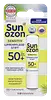
This chemical sunscreen covers the full UV range and blocks ~98% of UVB at SPF 50.


What's inside
What's inside
 Key Ingredients
Benefits
Concerns
Ingredients Side-by-side
Ricinus Communis Seed Oil
Masking




Caprylic/Capric Triglyceride
Masking

Diethylamino Hydroxybenzoyl Hexyl Benzoate
UV Filter
Cera Alba
Emollient


Euphorbia Cerifera Cera
Astringent
Copernicia Cerifera Cera
Emollient
Ethylhexyl Triazone
UV Absorber
Dicaprylyl Carbonate
EmollientButyrospermum Parkii Butter
Skin Conditioning
Simmondsia Chinensis Seed Oil
Emollient
Alcohol
Antimicrobial


Tocopherol
Antioxidant





Pentaerythrityl Tetra-Di-T-Butyl Hydroxyhydrocinnamate
Antioxidant
Ascorbyl Palmitate
Antioxidant
Ascorbic Acid
Antioxidant
Citric Acid
Buffering
Glycine Soja Oil
Emollient
Ricinus Communis Seed Oil, Caprylic/Capric Triglyceride, Diethylamino Hydroxybenzoyl Hexyl Benzoate, Cera Alba, Euphorbia Cerifera Cera, Copernicia Cerifera Cera, Ethylhexyl Triazone, Dicaprylyl Carbonate, Butyrospermum Parkii Butter, Simmondsia Chinensis Seed Oil, Alcohol, Tocopherol, Pentaerythrityl Tetra-Di-T-Butyl Hydroxyhydrocinnamate, Ascorbyl Palmitate, Ascorbic Acid, Citric Acid, Glycine Soja Oil
Dibutyl Adipate
EmollientSynthetic Wax
Abrasive
Caprylic/Capric Triglyceride
Masking
C12-15 Alkyl Benzoate
AntimicrobialSilica
Abrasive

Diethylamino Hydroxybenzoyl Hexyl Benzoate
UV Filter
Butyloctyl Salicylate
Skin Conditioning
Vinyl Dimethicone/Methicone Silsesquioxane Crosspolymer

Ethylhexyl Triazone
UV Absorber
Silica Silylate
Emollient
Polysilicone-15
UV Filter
Bis-Ethylhexyloxyphenol Methoxyphenyl Triazine
UV Absorber
Poly C10-30 Alkyl Acrylate
Emulsion StabilisingCetyl Alcohol
Emollient
1,2-Hexanediol
Skin Conditioning
Caprylic/Capric Glycerides
EmollientWater
Skin ConditioningNiacinamide
Smoothing

Arginine
Masking
Hydrolyzed Hyaluronic Acid
Humectant
Glycerin
Humectant
Butylene Glycol
Humectant
Camellia Sinensis Leaf Extract
Antimicrobial
Centella Asiatica Extract
Cleansing
Calendula Officinalis Flower Extract
Masking
Houttuynia Cordata Extract
Skin Conditioning
Dibutyl Adipate, Synthetic Wax, Caprylic/Capric Triglyceride, C12-15 Alkyl Benzoate, Silica, Diethylamino Hydroxybenzoyl Hexyl Benzoate, Butyloctyl Salicylate, Vinyl Dimethicone/Methicone Silsesquioxane Crosspolymer, Ethylhexyl Triazone, Silica Silylate, Polysilicone-15, Bis-Ethylhexyloxyphenol Methoxyphenyl Triazine, Poly C10-30 Alkyl Acrylate, Cetyl Alcohol, 1,2-Hexanediol, Caprylic/Capric Glycerides, Water, Niacinamide, Arginine, Hydrolyzed Hyaluronic Acid, Glycerin, Butylene Glycol, Camellia Sinensis Leaf Extract, Centella Asiatica Extract, Calendula Officinalis Flower Extract, Houttuynia Cordata Extract
Reviews
Ingredients Explained
These ingredients are found in both products.
Ingredients higher up in an ingredient list are typically present in a larger amount.
Caprylic/Capric Triglyceride (aka MCT Oil) is a lightweight emollient, solvent, and texture enhancer. It is considered a skin-softener by helping to prevent moisture loss.
Though it behaves like an oil, it is not technically one due to its chemical composition. One perk of this ingredient is that it is very stable, resistant to oxidation, and unlikely to go rancid.
In practice, that translates to a long shelf life and a consistently elegant skin feel.
While there is an assumption Caprylic Triglyceride can clog pores due to it being derived from coconut oil, there is no research supporting this. Just patch test if you have concerns.
Fractionated coconut oil and MCT Oil are both listed as Caprylic/Capric Triglyceride according to INCI. This is because INCI names are based on the ingredient’s final chemical composition and not its marketing name or source.
This ingredient is treated as the gold standard fungal acne safe oil. Even though it is coconut derived, the problematic lauric acid is stripped out.
This leaves just caprylic (C8) and capric (C10) acid. These chain lengths actually trend antifungal; a 2020 study found caprylic acid was enough to disrupt Malassezia furfur cell membrane, with a caprylic acid derivative damaging membrane structures at concentrations as low as 0.2%.
Learn more about Caprylic/Capric TriglycerideDiethylamino Hydroxybenzoyl Hexyl Benzoate (DHHB) is a chemical UV-A absorber. It is formulated for high UVA protection (320-400 nm).
DHHB is well-liked for:
DHHB has been approved by the EU, Japan, Taiwan, and South America for use up to 10%. Unfortunately, it has not been approved for use in the US or Canada due to slow regulatory processes.
This ingredient is soluble in oils, fats, and lipids.
Learn more about Diethylamino Hydroxybenzoyl Hexyl BenzoateEthylhexyl Triazone (aka Octyl Triazone) is an oil-soluble organic UVB filter. It has peak absorption around 314 nm, right in the middle of the UVB range.
This ingredient is described as one of the most effective UVB filters available and small concentrations are enough to deliver a high SPF thanks to its strong UV absorbing power.
Formulators love it for its stability; its ability to filter UV stays practically unchanged even under intense radiation and it can also help boost the photostability of less stable filters like avobenzone.
It's also a great pick for water resistant products because it's insoluble in water and has a good affinity for keratin.
Because it's a big, heavy molecule, the European Scientific Committee has found to to have very low dermal penetration and negative results for allergenicity.
In vitro testing also showed a low absorption rate and clean results on irritation.
Typical use levels are 1-5% with 5% being the maximum in the EU, Japan, and other markets that allow it. However, this ingredient is not approved yet in the US or Canada.
Learn more about Ethylhexyl Triazone

