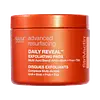
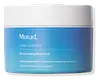
StriVectin Daily Reveal ™ Exfoliating Face Pads with AHA + BHA + PHA + TXA Versus Murad Retexturizing Body Pads
This smoothing exfoliating pad uses a pre-saturated pad with Glycolic Acid and Azelaic Acid to refine skin texture and fade the look of dark spots.

What's inside
What's inside
 Key Ingredients
Benefits
Concerns
Ingredients Side-by-side
Water
Skin ConditioningPentylene Glycol
Skin Conditioning
Glycolic Acid
Buffering











Azelaic Acid
Buffering


Glycereth-7 Triacetate
EmollientAlcohol Denat.
Antimicrobial


Sodium Hydroxide
BufferingPolysorbate 20
Emulsifying
Glycereth-18 Ethylhexanoate
Skin ConditioningDimethyl Isosorbide
SolventDipropylene Glycol
HumectantTranexamic Acid
Astringent
Capryloyl Salicylic Acid
Exfoliating
Gluconolactone
Chelating
Salix Alba Bark Extract
Astringent
Myristyl Nicotinate
Skin ConditioningCitrus Paradisi Fruit Extract
Skin ConditioningCitrus Grandis Peel Oil
Masking


Spiraea Ulmaria Extract
AstringentHydroxymethoxyphenyl Decanone
Skin ConditioningAsiatic Acid
Skin Conditioning
Madecassic Acid
Skin Conditioning
Adenosine
Skin Conditioning
Asiaticoside
Antioxidant
Ethoxydiglycol
HumectantLactobacillus Ferment
Skin Conditioning
Glycerin
Humectant
Butylene Glycol
Humectant
Propanediol
Solvent
Glycereth-18
HumectantEthylhexylglycerin
Skin ConditioningCalcium Gluconate
HumectantT-Butyl Alcohol
Perfuming
Citric Acid
Buffering
Limonene
Perfuming
Sodium Carbonate
BufferingDenatonium Benzoate
Masking
Sodium Chloride
MaskingPotassium Sorbate
Preservative
Sodium Benzoate
Masking
Water, Pentylene Glycol, Glycolic Acid, Azelaic Acid, Glycereth-7 Triacetate, Alcohol Denat., Sodium Hydroxide, Polysorbate 20, Glycereth-18 Ethylhexanoate, Dimethyl Isosorbide, Dipropylene Glycol, Tranexamic Acid, Capryloyl Salicylic Acid, Gluconolactone, Salix Alba Bark Extract, Myristyl Nicotinate, Citrus Paradisi Fruit Extract, Citrus Grandis Peel Oil, Spiraea Ulmaria Extract, Hydroxymethoxyphenyl Decanone, Asiatic Acid, Madecassic Acid, Adenosine, Asiaticoside, Ethoxydiglycol, Lactobacillus Ferment, Glycerin, Butylene Glycol, Propanediol, Glycereth-18, Ethylhexylglycerin, Calcium Gluconate, T-Butyl Alcohol, Citric Acid, Limonene, Sodium Carbonate, Denatonium Benzoate, Sodium Chloride, Potassium Sorbate, Sodium Benzoate
Salicylic Acid 2%
Masking
Water
Skin ConditioningPentylene Glycol
Skin Conditioning
Propanediol
Solvent
Hamamelis Virginiana Water
Astringent
Azelaic Acid
Buffering
Glycolic Acid
Buffering
Polylysine
Urea
Buffering
Yeast Amino Acids
HumectantTrehalose
Humectant
Inositol
Humectant
Taurine
BufferingBetaine
Humectant
Allantoin
Skin Conditioning
Glycerin
Humectant
Leuconostoc/Radish Root Ferment Filtrate
Antimicrobial
Tetrasodium Glutamate Diacetate
ChelatingSodium Hydroxide
BufferingBenzoic Acid
Masking
Salicylic Acid 2%, Water, Pentylene Glycol, Propanediol, Hamamelis Virginiana Water, Azelaic Acid, Glycolic Acid, Polylysine, Urea, Yeast Amino Acids, Trehalose, Inositol, Taurine, Betaine, Allantoin, Glycerin, Leuconostoc/Radish Root Ferment Filtrate, Tetrasodium Glutamate Diacetate, Sodium Hydroxide, Benzoic Acid
Ingredients Explained
These ingredients are found in both products.
Ingredients higher up in an ingredient list are typically present in a larger amount.
Azelaic acid is a multitasker ingredient that helps treat acne, pigmentation, and irritation. It is a great option for sensitive skin.
What makes it special?
OTC Azelaic acid is usually available in concentrations from 10-15% and anything over requires a prescription.
Here's what each tier does best:
Unlike other acids, azelaic acid will not make your skin more photosensitive/sun sensitive.
Though this ingredient is naturally occurring in grains like wheat, rye, and barley, it is usually synthetically created for cosmetics to ensure stability and effectiveness.
Learn more about Azelaic AcidGlycerin (or glycerol) is a compound naturally found in your skin. It's a powerhouse humectant that pulls water into the stratum corneum.
Topically, glycerin does several things at once:
Your skin makes glycerin on its own (mostly from sebaceous oil breakdown) and shuttles it to your outermost layer of skin, or your epidermis, via aquaporin-3.
Aquaporin-3 is a transporter that is essential for normal skin hydration, elasticity, and repair. Interestingly, mice lacking in AQP3 have dry and less elastic skin that can be fully corrected with glycerin.
This ingredient is non-irritating, plays well with almost every ingredient, and works across all skin types. Typical use is anywhere between 3-10% but can go up to 79% in some leave-on products.
Just know very high concentrations (>40%) can feel tacky in low humidity.
Glycerin is the name for this ingredient in American English. British English uses Glycerol/Glycerine.
Learn more about GlycerinGlycolic Acid is arguably the most famous alpha hydroxy acid (AHA) with tons of research backing its benefits.
It is found naturally in sugar cane but the form used in skincare is usually synthetic for purity and stability.
Glycolic acid removes the top layer of dead skin cells to allow newer and fresher ones to emerge.
AHAs work by breaking down the structural “glue” that holds old skin cells in place. When that buildup is gone, your skin can renew itself more efficiently.
Research also shows glycolic acid stimulates collagen production, helping to firm and thicken the skin over time. This is one of its biggest advantages over other AHAs.
Overall, glycolic acid helps with:
Fun fact: Glycolic acid boosts skin hydration by helping it produce molecules that increase hyaluronic acid naturally.
To work best, glycolic acid products should have a pH between 3-4 (that’s where exfoliation is most effective but still gentle on skin).
The pH and concentration of a product are key to its effectiveness:
It is normal to feel a slight stinging sensation when using glycolic acid. This usually fades as your skin adjusts.
Because glycolic acid has the smallest molecular size in the AHA family, it can penetrate deeper, which enhances its effectiveness but also makes it more likely to irritate sensitive skin.
If your skin is very sensitive or prone to rosacea, glycolic acid may be too strong; in that case, try milder options like lactic acid or a PHA instead.
Recent studies suggest glycolic acid might even help protect against UV damage. But don’t skip sunscreen! Freshly exfoliated skin is more sensitive to the sun.
Glycolic acid is a skincare superstar. It smooths, brightens, hydrates, and firms the skin. Unless you’re highly sensitive, it’s well worth adding to your routine.
Read more about some other popular AHA's here:
Learn more about Glycolic AcidPentylene Glycol (1,2-pentanediol) is a multitasking little diol with three main roles in a formula:
Research on alkanediols (the family pentylene glycol belongs to) show they work by disrupting microbial cell membranes. This disruption helps the primary preservative system in a product work more effectively at lower doses.
On the safety side, the Cosmetic Ingredient Review Expert Panel has concluded this ingredient to be safe as used in current cosmetic practices + concentrations.
Typical use levels in a formula run about 1-5%.
Learn more about Pentylene GlycolPropanediol is an all-star ingredient. It softens, hydrates, and smooths the skin.
It’s often used to:
Propanediol is not likely to cause sensitivity and considered safe to use. It is derived from corn or petroleum with a clear color and no scent.
Learn more about PropanediolSodium Hydroxide is also known as lye or caustic soda. It is used to adjust the pH of products; many ingredients require a specific pH to be effective.
In small amounts, sodium hydroxide is considered safe to use. However, large amounts may cause chemical burns due to its high alkaline.
Your skin has a natural pH and acid mantle. This acid mantle helps prevent harmful bacteria from breaking through. The acid mantle also helps keep your skin hydrated.
"Alkaline" refers to a high pH level. A low pH level would be considered acidic.
Learn more about Sodium HydroxideWater. It's the most common cosmetic ingredient of all. You'll usually see it at the top of ingredient lists, meaning that it makes up the largest part of the product.
So why is it so popular? Water most often acts as a solvent - this means that it helps dissolve other ingredients into the formulation.
You'll also recognize water as that liquid we all need to stay alive. If you see this, drink a glass of water. Remember to stay hydrated!
Learn more about Water

