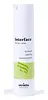
This anti-aging moisturizer is formulated around Squalane and Panthenol to soften the look of wrinkles and strengthen the skin barrier.
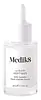
This anti-aging serum is formulated around Carnosine and Palmitoyl Tripeptide-5 to soften the look of wrinkles and refine skin texture.


What's inside
What's inside
 Key Ingredients
Benefits
Concerns
Ingredients Side-by-side
Water
Skin ConditioningGlycerin
Humectant


Squalane
Emollient
Hydrogenated Polydecene
EmollientPanthenol
Skin Conditioning

Ethoxydiglycol
HumectantDimethicone
Emollient
Rosa Canina Fruit Oil
Emollient


Cetearyl Alcohol
Emollient




Acetyl Glutamine
Skin ConditioningSh-Oligopeptide-1
Skin Conditioning
Sh-Oligopeptide-2
Skin Conditioning
Sh-Polypeptide-1
Skin Conditioning
Sh-Polypeptide-9
Skin Conditioning
Sh-Polypeptide-11
Copper Palmitoyl Heptapeptide-14
Skin Conditioning
Heptapeptide-15 Palmitate
Skin Conditioning
Glycyrrhiza Glabra Root Extract
Bleaching

Allantoin
Skin Conditioning
Caprylyl Glycol
Emollient
Butylene Glycol
Humectant
Sodium Hyaluronate
Humectant
Glycolic Acid
Buffering






Lactic Acid/Glycolic Acid Copolymer
Skin ConditioningDisodium EDTA
ChelatingPolyacrylamide
Potassium Sorbate
Preservative
Sodium Benzoate
Masking
C13-14 Isoparaffin
Emollient
Polyvinyl Alcohol
Methylparaben
Preservative

Propylparaben
Preservative
Laureth-7
EmulsifyingDiazolidinyl Urea
Preservative
Xanthan Gum
EmulsifyingWater, Glycerin, Squalane, Hydrogenated Polydecene, Panthenol, Ethoxydiglycol, Dimethicone, Rosa Canina Fruit Oil, Cetearyl Alcohol, Acetyl Glutamine, Sh-Oligopeptide-1, Sh-Oligopeptide-2, Sh-Polypeptide-1, Sh-Polypeptide-9, Sh-Polypeptide-11, Copper Palmitoyl Heptapeptide-14, Heptapeptide-15 Palmitate, Glycyrrhiza Glabra Root Extract, Allantoin, Caprylyl Glycol, Butylene Glycol, Sodium Hyaluronate, Glycolic Acid, Lactic Acid/Glycolic Acid Copolymer, Disodium EDTA, Polyacrylamide, Potassium Sorbate, Sodium Benzoate, C13-14 Isoparaffin, Polyvinyl Alcohol, Methylparaben, Propylparaben, Laureth-7, Diazolidinyl Urea, Xanthan Gum
Water
Skin ConditioningGlycerin
Humectant
Butylene Glycol
Humectant
Inulin
Skin Conditioning
Sodium Hyaluronate
Humectant
Panthenol
Skin Conditioning
Alpha-Glucan Oligosaccharide
Cleansing
Carnosine
Skin Conditioning
Carbomer
Emulsion StabilisingPolysorbate 20
Emulsifying
Caprylyl Glycol
Emollient
Phenoxyethanol
Preservative
Hydroxypropyl Cyclodextrin
MaskingDunaliella Salina Extract
Skin ConditioningEthylhexylglycerin
Skin ConditioningCitric Acid
Buffering
Palmitoyl Tripeptide-5
Skin Conditioning
Sodium Benzoate
Masking
Acetyl Hexapeptide-8
Humectant
Tetrapeptide-21
Skin Conditioning
Pentapeptide-18
Skin Conditioning
Palmitoyl Tripeptide-1
Skin Conditioning
Pantolactone
Humectant
Palmitoyl Tripeptide-38
Skin Conditioning
Palmitoyl Tetrapeptide-7
Skin Conditioning
Glyceryl Caprylate
EmollientLactic Acid/Glycolic Acid Copolymer
Skin ConditioningPolyvinyl Alcohol
Phenylpropanol
Masking

Copper Palmitoyl Heptapeptide-14
Skin Conditioning
Heptapeptide-15 Palmitate
Skin Conditioning
Potassium Sorbate
Preservative
Xanthan Gum
EmulsifyingWater, Glycerin, Butylene Glycol, Inulin, Sodium Hyaluronate, Panthenol, Alpha-Glucan Oligosaccharide, Carnosine, Carbomer, Polysorbate 20, Caprylyl Glycol, Phenoxyethanol, Hydroxypropyl Cyclodextrin, Dunaliella Salina Extract, Ethylhexylglycerin, Citric Acid, Palmitoyl Tripeptide-5, Sodium Benzoate, Acetyl Hexapeptide-8, Tetrapeptide-21, Pentapeptide-18, Palmitoyl Tripeptide-1, Pantolactone, Palmitoyl Tripeptide-38, Palmitoyl Tetrapeptide-7, Glyceryl Caprylate, Lactic Acid/Glycolic Acid Copolymer, Polyvinyl Alcohol, Phenylpropanol, Copper Palmitoyl Heptapeptide-14, Heptapeptide-15 Palmitate, Potassium Sorbate, Xanthan Gum
Reviews
Ingredients Explained
These ingredients are found in both products.
Ingredients higher up in an ingredient list are typically present in a larger amount.
Butylene Glycol (or BG) is used within cosmetic products for a few different reasons:
Overall, Butylene Glycol is a safe and well-rounded ingredient that works well with other ingredients.
Though this ingredient works well with most skin types, some people with sensitive skin may experience a reaction such as allergic rashes, closed comedones, or itchiness.
Learn more about Butylene GlycolCaprylyl Glycol is a humectant, skin conditioner, emollient, and preservative booster derived from either caprylic acid or synthetically created.
Typical use levels vary from 0.3-1% as a preservative booster and go up to 2% to condition skin.
Because it is not a free-fatty acid, this ingredient is fungal acne safe (there's nothing for Malassezia to feed on).
Learn more about Caprylyl GlycolThis peptide is the copper salt and formed by reacting palmitic acid and heptapeptide-14.
This uses a high-tech delivery system called The Cosmetic Drone, where the peptide is enclosed in a shell made from Lactic Acid/Glycolic Acid Copolymer and Polyvinyl Alcohol. Another peptide on the outside guides the capsule to fibroblast cells, the collagen-producing cells in the skin.
Once it reaches the fibroblasts, Copper Palmitoyl Heptapeptide-14 boosts the production of collagen and elastin.
This advanced system works at an incredibly low concentration of just 0.001%.
Learn more about Copper Palmitoyl Heptapeptide-14Glycerin (or glycerol) is a compound naturally found in your skin. It's a powerhouse humectant that pulls water into the stratum corneum.
Topically, glycerin does several things at once:
Your skin makes glycerin on its own (mostly from sebaceous oil breakdown) and shuttles it to your outermost layer of skin, or your epidermis, via aquaporin-3.
Aquaporin-3 is a transporter that is essential for normal skin hydration, elasticity, and repair. Interestingly, mice lacking in AQP3 have dry and less elastic skin that can be fully corrected with glycerin.
This ingredient is non-irritating, plays well with almost every ingredient, and works across all skin types. Typical use is anywhere between 3-10% but can go up to 79% in some leave-on products.
Just know very high concentrations (>40%) can feel tacky in low humidity.
Glycerin is the name for this ingredient in American English. British English uses Glycerol/Glycerine.
Learn more about GlycerinHeptapeptide-15 Palmitate is a synthetic targeting peptide. It's made up of seven amino acids with a palmitic acid tail attached.
This fatty acid attachment increases the molecule's hydrophobicity, improves stability, reduces enzyme degradation, and enhances its ability to cross the skin's lipid barrier (this is a common challenge for peptides).
As a targeting peptide, it sits on the outer shell of an encapsulated ingredient system and seeks out receptors on collagen and elastin producing cells in skin.
Once it binds, the cell internalizes the capsule and releases the active payload inside; it essentially acts as a GPS guiding ingredients to the right place.
It also mimicks the skin's natural growth factors to support skin firmness by upping production of collagen, elastin, glycosaminoglycans (GAGs).
Most of the evidence for this ingredient comes from manufacturer in vitro data, so independent clinical trials are still limited. However, the underlying mechanism is well-supported by the broader cosmetic peptide literature.
Fungal acne note:
Usually a palmitic acid component can feed Malassezia in unbound form, but here is is covalently bonded to the peptide. This means it is very difficult for Malassezia to access, and therefore very unlikely to cause fungal acne.
This ingredient is a combination of two AHAs, lactic acid and glycolic acid. It has exfoliating properties
Panthenol is a common ingredient that helps hydrate and soothe the skin. It is found naturally in our skin and hair.
There are two forms of panthenol: D and L.
D-panthenol is also known as dexpanthenol. Most cosmetics use dexpanthenol or a mixture of D and L-panthenol.
Panthenol is famous due to its ability to go deeper into the skin's layers. Using this ingredient has numerous pros (and no cons):
Like hyaluronic acid, panthenol is a humectant. Humectants are able to bind and hold large amounts of water to keep skin hydrated.
This ingredient works well for wound healing. It works by increasing tissue in the wound and helps close open wounds.
Once oxidized, panthenol converts to pantothenic acid. Panthothenic acid is found in all living cells.
This ingredient is also referred to as pro-vitamin B5.
Learn more about PanthenolWe don't have a description for Polyvinyl Alcohol yet.
Potassium Sorbate is a preservative used to prevent yeast and mold in products. It is commonly found in both cosmetic and food products.
This ingredient comes from potassium salt derived from sorbic acid. Sorbic acid is a natural antibiotic and effective against fungus.
Both potassium sorbate and sorbic acid can be found in baked goods, cheeses, dried meats, dried fruit, ice cream, pickles, wine, yogurt, and more.
You'll often find this ingredient used with other preservatives.
Learn more about Potassium SorbateSodium Benzoate is a preservative. It's used in both cosmetic and food products to inhibit the growth of mold and bacteria. It is typically produced synthetically.
Both the US FDA and EU Health Committee have approved the use of sodium benzoate. In the US, levels of 0.1% (of the total product) are allowed.
Sodium benzoate works as a preservative by inhibiting the growth of bacteria inside of cells. It prevents the cell from fermenting a type of sugar using an enzyme called phosphofructokinase.
It is the salt of benzoic acid. Foods containing sodium benzoate include soda, salad dressings, condiments, fruit juices, wines, and snack foods.
Studies for using ascorbic acid and sodium benzoate in cosmetics are lacking, especially in skincare routines with multiple steps.
We always recommend speaking with a professional, such as a dermatologist, if you have any concerns.
Learn more about Sodium BenzoateSodium Hyaluronate is the salt form of hyaluronic acid. It is a long sugar chain that is naturally found in your skin, joints, and connective tissue that maintains hydration and elasticity.
In skincare, it works as a humectant. It pulls water from the environment and deeper layers of skin and binds it to the surface.
Interestingly, the size of the molecule affects its behavior:
Some clinical evidence links low molecular weight versions to improved wrinkle depth, elasticity, anti-inflammatory effects, and barrier repair.
Many serums use a blend of both weights so you can get surface hydration plus longer-lasting and deeper effects.
You'll typically see concentrations between 0.1-2% for this ingredient.
Learn more about Sodium HyaluronateWater. It's the most common cosmetic ingredient of all. You'll usually see it at the top of ingredient lists, meaning that it makes up the largest part of the product.
So why is it so popular? Water most often acts as a solvent - this means that it helps dissolve other ingredients into the formulation.
You'll also recognize water as that liquid we all need to stay alive. If you see this, drink a glass of water. Remember to stay hydrated!
Learn more about WaterXanthan gum is used as a stabilizer and thickener within cosmetic products. It helps give products a sticky, thick feeling - preventing them from being too runny.
On the technical side of things, xanthan gum is a polysaccharide - a combination consisting of multiple sugar molecules bonded together.
Xanthan gum is a pretty common and great ingredient. It is a natural, non-toxic, non-irritating ingredient that is also commonly used in food products.
Learn more about Xanthan Gum

