Soul Apothecary Salicylic Acid Cleanser Versus Ellana Mineral Cosmetics Gentle Milky Oil Cleanser & Makeup Remover
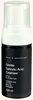
This salicylic acid gel cleanser is formulated around Salicylic Acid to clear breakouts and unclog pores.
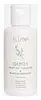
This mild cream cleanser is made to cleanse without leaving your skin tight or dry.

What's inside
What's inside
 Key Ingredients
Benefits
Concerns
Ingredients Side-by-side
Camellia Sinensis Leaf Water
Masking
Potassium Cocoyl Glycinate
Surfactant
Glycerin
Humectant


C12-14 Pareth-12
EmulsifyingPEG-60 Hydrogenated Castor Oil
Emulsifying


Ethylhexylglycerin
Skin ConditioningCitric Acid
Buffering

Salicylic Acid
Masking








Zinc PCA
Humectant

Trehalose
Humectant
Allantoin
Skin Conditioning
Portulaca Oleracea Extract
Skin Conditioning
Aloe Barbadensis Leaf Extract
Emollient
Cocos Nucifera Fruit Extract
Emollient
Sodium PCA
Humectant
Niacinamide
Smoothing

Sorbitol
Humectant
Sodium Hyaluronate
Humectant
Pentylene Glycol
Skin Conditioning
Saccharide Isomerate
Humectant
Disodium EDTA
ChelatingCamellia Sinensis Leaf Water, Potassium Cocoyl Glycinate, Glycerin, C12-14 Pareth-12, PEG-60 Hydrogenated Castor Oil, Ethylhexylglycerin, Citric Acid, Salicylic Acid, Zinc PCA, Trehalose, Allantoin, Portulaca Oleracea Extract, Aloe Barbadensis Leaf Extract, Cocos Nucifera Fruit Extract, Sodium PCA, Niacinamide, Sorbitol, Sodium Hyaluronate, Pentylene Glycol, Saccharide Isomerate, Disodium EDTA
Water
Skin ConditioningCaprylic/Capric Triglyceride
Masking
Cetyl Alcohol
Emollient
Glyceryl Stearate
Emollient
PEG-75 Stearate
Surfactant
Ceteth-20
CleansingSteareth-20
CleansingPEG-7 Glyceryl Cocoate
Emulsifying
Glycerin
Humectant
Phenoxyethanol
Preservative
Ethylhexylglycerin
Skin ConditioningPanthenol
Skin Conditioning
Olive Glycerides
Emulsifying
Calophyllum Inophyllum Seed Oil
Antimicrobial
Ceramide NP
Skin Conditioning
Propylene Glycol
Humectant
Rosa Canina Fruit Extract
Astringent
Allantoin
Skin Conditioning
Guar Hydroxypropyltrimonium Chloride
Skin ConditioningWater, Caprylic/Capric Triglyceride, Cetyl Alcohol, Glyceryl Stearate, PEG-75 Stearate, Ceteth-20, Steareth-20, PEG-7 Glyceryl Cocoate, Glycerin, Phenoxyethanol, Ethylhexylglycerin, Panthenol, Olive Glycerides, Calophyllum Inophyllum Seed Oil, Ceramide NP, Propylene Glycol, Rosa Canina Fruit Extract, Allantoin, Guar Hydroxypropyltrimonium Chloride
Reviews
Ingredients Explained
These ingredients are found in both products.
Ingredients higher up in an ingredient list are typically present in a larger amount.
Allantoin is a soothing ingredient known for its protective and moisturizing properties; it's basically a quiet workhorse ingredient you can find in a huge range of cosmetics.
Though it can be derived from the comfrey plant, allantoin is produced synthetically for cosmetic products to ensure purity.
Research shows it can encourage your skin cells to turn over and renew by stimulating keratinocyte and fibroblast proliferation.
It also has mild keratolytic properties to help loosen and shed dead skin cells without being harsh.
Studies also suggest allantoin can help calm inflammation by dialing down some of the chemical signals your skin sends out when it is irritated.
This ingredient is typically used in the 0.1-0.5% range, and the FDA recognizes it as a skin protectant in OTC products up to 2%.
Overall, allantoin is a wonderful addition to most routines; it is stable across a wide pH range (~4-8), works well with other ingredients, and is considered non-sensitizing/non-irritating.
Fun fact: Allantoin is naturally occurring in comfrey root, beets, chamomile, and wheat sprouts. Our bodies even produce it as a byproduct of uric acid metabolism.
Learn more about AllantoinEthylhexylglycerin is created from glycerin. It is a multitasker ingredient that:
The CIR Expert Panel found minimal skin absorption or sensitization of any kind in a safety assessment. Though this ingredient is considered well-tolerated, a small number of cases of allergic dermatitis have been published since 2002. Just be sure to patch test if you are unsure.
Industry-reported use ranges from 8% in rinse-off products and 2% in leave-on formulations.
Learn more about EthylhexylglycerinGlycerin (or glycerol) is a compound naturally found in your skin. It's a powerhouse humectant that pulls water into the stratum corneum.
Topically, glycerin does several things at once:
Your skin makes glycerin on its own (mostly from sebaceous oil breakdown) and shuttles it to your outermost layer of skin, or your epidermis, via aquaporin-3.
Aquaporin-3 is a transporter that is essential for normal skin hydration, elasticity, and repair. Interestingly, mice lacking in AQP3 have dry and less elastic skin that can be fully corrected with glycerin.
This ingredient is non-irritating, plays well with almost every ingredient, and works across all skin types. Typical use is anywhere between 3-10% but can go up to 79% in some leave-on products.
Just know very high concentrations (>40%) can feel tacky in low humidity.
Glycerin is the name for this ingredient in American English. British English uses Glycerol/Glycerine.
Learn more about Glycerin

