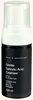
This salicylic acid gel cleanser is formulated around Salicylic Acid to clear breakouts and unclog pores.
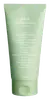
This salicylic acid foaming cleanser is formulated around Salicylic Acid to clear breakouts and unclog pores.


What's inside
What's inside
 Key Ingredients
Benefits
Concerns
Ingredients Side-by-side
Camellia Sinensis Leaf Water
Masking
Potassium Cocoyl Glycinate
Surfactant
Glycerin
Humectant


C12-14 Pareth-12
EmulsifyingPEG-60 Hydrogenated Castor Oil
Emulsifying


Ethylhexylglycerin
Skin ConditioningCitric Acid
Buffering

Salicylic Acid
Masking








Zinc PCA
Humectant

Trehalose
Humectant
Allantoin
Skin Conditioning
Portulaca Oleracea Extract
Skin Conditioning
Aloe Barbadensis Leaf Extract
Emollient
Cocos Nucifera Fruit Extract
Emollient
Sodium PCA
Humectant
Niacinamide
Smoothing

Sorbitol
Humectant
Sodium Hyaluronate
Humectant
Pentylene Glycol
Skin Conditioning
Saccharide Isomerate
Humectant
Disodium EDTA
ChelatingCamellia Sinensis Leaf Water, Potassium Cocoyl Glycinate, Glycerin, C12-14 Pareth-12, PEG-60 Hydrogenated Castor Oil, Ethylhexylglycerin, Citric Acid, Salicylic Acid, Zinc PCA, Trehalose, Allantoin, Portulaca Oleracea Extract, Aloe Barbadensis Leaf Extract, Cocos Nucifera Fruit Extract, Sodium PCA, Niacinamide, Sorbitol, Sodium Hyaluronate, Pentylene Glycol, Saccharide Isomerate, Disodium EDTA
Water
Skin ConditioningSodium Cocoyl Isethionate
Cleansing
Glycerin
Humectant
Houttuynia Cordata Extract
Skin Conditioning
Coco-Betaine
Cleansing
Sodium Methyl Cocoyl Taurate
Cleansing
Butylene Glycol
Humectant
Gaultheria Procumbens Leaf Extract
Perfuming
Centella Asiatica Extract
Cleansing
Glyceryl Stearate Se
Emulsifying

Potassium Cocoyl Glycinate
Surfactant
Salicylic Acid
Masking
Sodium Chloride
MaskingCaprylyl Glycol
Emollient
Polyquaternium-67
Tromethamine
BufferingPanthenol
Skin Conditioning
1,2-Hexanediol
Skin Conditioning
Ethylhexylglycerin
Skin ConditioningDisodium EDTA
ChelatingWater, Sodium Cocoyl Isethionate, Glycerin, Houttuynia Cordata Extract, Coco-Betaine, Sodium Methyl Cocoyl Taurate, Butylene Glycol, Gaultheria Procumbens Leaf Extract, Centella Asiatica Extract, Glyceryl Stearate Se, Potassium Cocoyl Glycinate, Salicylic Acid, Sodium Chloride, Caprylyl Glycol, Polyquaternium-67, Tromethamine, Panthenol, 1,2-Hexanediol, Ethylhexylglycerin, Disodium EDTA
Reviews
Ingredients Explained
These ingredients are found in both products.
Ingredients higher up in an ingredient list are typically present in a larger amount.
Disodium EDTA is a chelating agent. It grabs onto and deactivates metal ions that sneak into your products from water, packaging, or air.
This ingredient mainly works behind the scenes and helps with:
On top of that, this ingredient can counteract the effects of hard water by binding to the minerals in it.
One thing worth knowing is that Disodium EDTA has been shown to be a mild penetration enhancer. It can help other ingredients absorb into skin more effectively which can be a double-edged sword (great for actives, but can also make the active too strong if you have sensitive skin).
Clinical patch testing showed no significant skin irritation at typical use concentrations and minimal dermal absorption.
You'll most likely see this ingredient near the end of an ingredient list. It's typically found in concentrations less than 1%.
Learn more about Disodium EDTAEthylhexylglycerin is created from glycerin. It is a multitasker ingredient that:
The CIR Expert Panel found minimal skin absorption or sensitization of any kind in a safety assessment. Though this ingredient is considered well-tolerated, a small number of cases of allergic dermatitis have been published since 2002. Just be sure to patch test if you are unsure.
Industry-reported use ranges from 8% in rinse-off products and 2% in leave-on formulations.
Learn more about EthylhexylglycerinGlycerin (or glycerol) is a compound naturally found in your skin. It's a powerhouse humectant that pulls water into the stratum corneum.
Topically, glycerin does several things at once:
Your skin makes glycerin on its own (mostly from sebaceous oil breakdown) and shuttles it to your outermost layer of skin, or your epidermis, via aquaporin-3.
Aquaporin-3 is a transporter that is essential for normal skin hydration, elasticity, and repair. Interestingly, mice lacking in AQP3 have dry and less elastic skin that can be fully corrected with glycerin.
This ingredient is non-irritating, plays well with almost every ingredient, and works across all skin types. Typical use is anywhere between 3-10% but can go up to 79% in some leave-on products.
Just know very high concentrations (>40%) can feel tacky in low humidity.
Glycerin is the name for this ingredient in American English. British English uses Glycerol/Glycerine.
Learn more about GlycerinPotassium Cocoyl Glycinate is an amino acid-based surfactant and cleaning agent. This ingredient can be derived from animals or plants. It may also be synthetically created from fatty acids of the coconut and glycine.
Potassium Cocoyl Glycinate is a gentle surfactant. Surfactants help gather the dirt, oil, and other pollutants from your skin to be rinsed away. It is a mild cleanser and naturally produces foam.
Salicylic Acid (also known as beta hydroxy acid or BHA) is a well-known ingredient for treating skin that struggles with acne and clogged pores. It exfoliates both the skin's surface and deep within the pores to help clear out buildup, control oil, and reduce inflammation.
Unlike AHAs (alpha hydroxy acids), salicylic acid is oil-soluble. This allows it to penetrate into pores which makes it especially effective for treating blackheads and preventing future breakouts.
Salicylic acid is also known for its soothing properties. It has a similar structure to aspirin and can calm inflamed or irritated skin, making it a good option for acne-prone skin that is also sensitive.
Concentrations of 0.5-2% are recognized by the U.S. FDA as an over-the-counter topical acne product.
It can cause irritation and/or dryness if one's skin already has a compromised moisture barrier, so it's best to focus on repairing that before introducing this ingredient into your routine.
While salicylic acid does not increase sun sensitivity, it’s still important to wear sunscreen daily to protect your skin.
If you are looking for the ingredient called BHA or Butylated Hydroxyanisole, click here.
Learn more about Salicylic Acid

