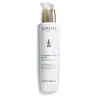
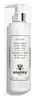
This mild cream makeup remover is made to dissolve makeup, sunscreen, and daily buildup.
This mild cream makeup remover is made to dissolve makeup, sunscreen, and daily buildup.

What's inside
What's inside
 Key Ingredients
Benefits
Concerns
Ingredients Side-by-side
Water
Skin ConditioningPEG-8 Stearate
Emulsifying



Caprylic/Capric Triglyceride
Masking


Hydrogenated Coconut Oil
Emollient

Isopropyl Palmitate
Emollient
Cetyl Alcohol
Emollient
Polysorbate 40
Emulsifying
Sorbitan Palmitate
Emulsifying
Parfum
Masking


Phenoxyethanol
Preservative
Disodium EDTA
ChelatingCarbomer
Emulsion StabilisingSodium Benzoate
Masking
Helianthus Annuus Seed Oil
Emollient
Propylene Glycol
Humectant
Sodium Hydroxide
BufferingTocopherol
Antioxidant





Chlorhexidine Digluconate
Antimicrobial
BHT
Antioxidant
Citrus Grandis Fruit Extract
Astringent
Citrus Paradisi Fruit Extract
Skin ConditioningCI 19140
Cosmetic ColorantSorbic Acid
Preservative
Citrus Limon Peel Oil
Masking


Limonene
Perfuming
Citral
Perfuming
Pinene
Masking
Alpha-Isomethyl Ionone
Perfuming
Water, PEG-8 Stearate, Caprylic/Capric Triglyceride, Hydrogenated Coconut Oil, Isopropyl Palmitate, Cetyl Alcohol, Polysorbate 40, Sorbitan Palmitate, Parfum, Phenoxyethanol, Disodium EDTA, Carbomer, Sodium Benzoate, Helianthus Annuus Seed Oil, Propylene Glycol, Sodium Hydroxide, Tocopherol, Chlorhexidine Digluconate, BHT, Citrus Grandis Fruit Extract, Citrus Paradisi Fruit Extract, CI 19140, Sorbic Acid, Citrus Limon Peel Oil, Limonene, Citral, Pinene, Alpha-Isomethyl Ionone
Water
Skin ConditioningHelianthus Annuus Seed Oil
Emollient
Hydrogenated Polyisobutene
EmollientIsopropyl Palmitate
Emollient
Tilia Cordata Flower Water
Masking
Citrus Aurantium Amara Flower Water
MaskingButylene Glycol
Humectant
Glycerin
Humectant
Cetearyl Alcohol
Emollient
Tocopheryl Acetate
Antioxidant
Malva Sylvestris Flower Extract
Skin ConditioningTilia Cordata Extract
RefreshingLilium Candidum Flower Extract
Skin ConditioningLauryl Glucoside
CleansingPolyglyceryl-2 Dipolyhydroxystearate
Skin Conditioning
C14-22 Alcohols
Emulsion Stabilising
Carbomer
Emulsion StabilisingCeteareth-20
Cleansing
Cetyl Alcohol
Emollient
C12-20 Alkyl Glucoside
EmulsifyingDisodium EDTA
ChelatingSodium Hydroxide
BufferingXanthan Gum
EmulsifyingCitric Acid
Buffering
Phenoxyethanol
Preservative
Dehydroacetic Acid
Preservative
Potassium Sorbate
Preservative
Sodium Benzoate
Masking
Water, Helianthus Annuus Seed Oil, Hydrogenated Polyisobutene, Isopropyl Palmitate, Tilia Cordata Flower Water, Citrus Aurantium Amara Flower Water, Butylene Glycol, Glycerin, Cetearyl Alcohol, Tocopheryl Acetate, Malva Sylvestris Flower Extract, Tilia Cordata Extract, Lilium Candidum Flower Extract, Lauryl Glucoside, Polyglyceryl-2 Dipolyhydroxystearate, C14-22 Alcohols, Carbomer, Ceteareth-20, Cetyl Alcohol, C12-20 Alkyl Glucoside, Disodium EDTA, Sodium Hydroxide, Xanthan Gum, Citric Acid, Phenoxyethanol, Dehydroacetic Acid, Potassium Sorbate, Sodium Benzoate
Ingredients Explained
These ingredients are found in both products.
Ingredients higher up in an ingredient list are typically present in a larger amount.
Carbomer is a synthetic thickening and gelling agent. It's basically the ingredient that gives a lot of serums, gels, creams, and sunscreens their smooth, non-sticky texture.
Although legally permitted at very high levels, carbomers are normally used at concentrations below 1%.
It also needs to be neutralized to actually thicken, and because it is a large molecule, it doesn't really penetrate the skin barrier.
Allergy-wise, the risk is very low. Clinical studies show carbomers have low potential for skin irritation/sensitization even at concentrations up to 100%.
A 2024 UK study patch-tested 1,302 patients and found true allergy to the parent group of carbomer to be rare with no confirmed relevant reactions.
Learn more about CarbomerCetyl Alcohol is a fatty alcohol. Fatty Alcohols are most often used as an emollient or to thicken a product.
Its main roles are:
Though it has "alcohol" in the name, it is not related to denatured alcohol or ethyl alcohol.
The FDA allows products labeled "alcohol-free" to have fatty alcohols.
This ingredient may not be fungal acne safe. It is a primary fatty alcohol with a chain length above 12 carbons. A study from 2019 show Malassezia can feed on fatty alcohols in this range, so it may trigger fungal acne in those prone to it.
Learn more about Cetyl AlcoholDisodium EDTA is a chelating agent. It grabs onto and deactivates metal ions that sneak into your products from water, packaging, or air.
This ingredient mainly works behind the scenes and helps with:
On top of that, this ingredient can counteract the effects of hard water by binding to the minerals in it.
One thing worth knowing is that Disodium EDTA has been shown to be a mild penetration enhancer. It can help other ingredients absorb into skin more effectively which can be a double-edged sword (great for actives, but can also make the active too strong if you have sensitive skin).
Clinical patch testing showed no significant skin irritation at typical use concentrations and minimal dermal absorption.
You'll most likely see this ingredient near the end of an ingredient list. It's typically found in concentrations less than 1%.
Learn more about Disodium EDTAHelianthus Annuus Seed Oil is a plant oil derived from the seeds of a sunflower.
It is rich in fatty acids, primarily linoleic acid and oleic acid. This gives it emollient and skin conditioning properties.
The reason this ingredient is so effective is because it forms a thin film on the skin that reduces transepidermal water loss (TEWL) while supplying linoleic acid to the stratum corneum to improve barrier strength.
The high linoleic acid content is particularly noteworthy for acne-prone skin.
Research suggests that acne-prone skin tends to be deficient in linoleic acid in sebum. Topical application may help replenish this to support a healthier follicular environment and less comedone-promoting sebum.
One randomized study found sunflower seed oil preserved skin barrier integrity in adult volunteers with and without atopic dermatitis (outperforming olive oil).
This ingredient is well-studied, gentle, and an effective emollient suitable for most skin types.
On fungal acne: This ingredient may not be Fungal acne (Malassezia folliculitis) safe. This is because it contains fatty acids with carbon chain lengths in the C11-C24 range.
Learn more about Helianthus Annuus Seed OilIsopropyl Palmitate is a lightweight emollient made by combining isopropyl alcohol and palmitic acid.
It is an emollient that leaves skin feeling smooth and silky without leaving a greasy feel.
Typical usage concentrations range from 1-5%.
Human testing shows it's non-irritating and non-sensitizing, and the EU Scientific Committee on Consumer Safety (SCCS) has cleared it at very high levels (79% in leave-on products).
The one thing worth knowing about its comedogenic score of 3-4 is to keep it in perspective: these ratings come from old rabbit-ear tests using 100% of pure ingredient and doesn't reflect how it behaves at low levels in a finished product.
Because it is an ester of palmitic acid (C16), it falls into the range that the Malassezia yeast can feed on and is considered not fungal acne safe.
Learn more about Isopropyl PalmitatePhenoxyethanol is one of the most widely used preservatives in skincare (and for good reason!).
It has a large spectrum of antimicrobial activity and especially effective bacteria, yeast, and mold while only having a weak effect on your skin's natural microbiome.
On a cellular level, it disrupts the cell membranes of microbes by poking holes that make the cell leak. This shuts down the chemical reactions the microbe needs to make energy so it can no longer survive.
Another perk of this ingredient is that it stays functional across a wide pH range (3-10).
You'll often see it paired with boosters like Ethylhexylglycerin; one study showed that a 1:9 ratio of Ethylhexylglycerin to Phenoxyethanol damages bacterial membranes as effectively as doubling the Phenoxyethanol concentration on its own.
Typical use concentrations range from 0.3-1% depending on the formula, and this ingredient is capped at 1% int the EU.
Safety-wise, the fear mongering does not hold up to the evidence. The EU's Scientific Committee on Consumer Safety and FDA consider it safe as a preservative at up to 1%, including for children of all ages.
Adverse systemic effects only showed up in animal studies at exposures roughly 200x higher than what people get from cosmetics. And despite its very widespread use, this ingredient is a rare sensitizer and allergic reactions are uncommon.
Learn more about PhenoxyethanolSodium Benzoate is a preservative. It's used in both cosmetic and food products to inhibit the growth of mold and bacteria. It is typically produced synthetically.
Both the US FDA and EU Health Committee have approved the use of sodium benzoate. In the US, levels of 0.1% (of the total product) are allowed.
Sodium benzoate works as a preservative by inhibiting the growth of bacteria inside of cells. It prevents the cell from fermenting a type of sugar using an enzyme called phosphofructokinase.
It is the salt of benzoic acid. Foods containing sodium benzoate include soda, salad dressings, condiments, fruit juices, wines, and snack foods.
Studies for using ascorbic acid and sodium benzoate in cosmetics are lacking, especially in skincare routines with multiple steps.
We always recommend speaking with a professional, such as a dermatologist, if you have any concerns.
Learn more about Sodium BenzoateSodium Hydroxide is also known as lye or caustic soda. It is used to adjust the pH of products; many ingredients require a specific pH to be effective.
In small amounts, sodium hydroxide is considered safe to use. However, large amounts may cause chemical burns due to its high alkaline.
Your skin has a natural pH and acid mantle. This acid mantle helps prevent harmful bacteria from breaking through. The acid mantle also helps keep your skin hydrated.
"Alkaline" refers to a high pH level. A low pH level would be considered acidic.
Learn more about Sodium HydroxideWater. It's the most common cosmetic ingredient of all. You'll usually see it at the top of ingredient lists, meaning that it makes up the largest part of the product.
So why is it so popular? Water most often acts as a solvent - this means that it helps dissolve other ingredients into the formulation.
You'll also recognize water as that liquid we all need to stay alive. If you see this, drink a glass of water. Remember to stay hydrated!
Learn more about Water

