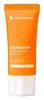
This brightening moisturizer is formulated around Epigallocatechin Gallatyl Glucoside and Bisabolol to brighten dull-looking skin and hydrate skin.
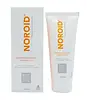
This barrier-repair moisturizer is formulated around Bisabolol to strengthen the skin barrier and calm redness.

What's inside
What's inside
 Key Ingredients
Benefits
Concerns
No concerns
Ingredients Side-by-side
Oryza Sativa Bran Water
Masking
Water
Skin ConditioningGlycerin
Humectant


Methyl Gluceth-20
Humectant
1,2-Hexanediol
Skin Conditioning
Propanediol
Solvent
Cetyl Ethylhexanoate
EmollientPentylene Glycol
Skin Conditioning
Xylitylglucoside
Humectant
Epigallocatechin Gallatyl Glucoside
Antioxidant


Adenosine
Skin Conditioning
Bisabolol
Antioxidant
Ascorbyl Glucoside
Antioxidant

Anhydroxylitol
Humectant
Xylitol
Humectant
Tremella Fuciformis Extract
Humectant
Cyanocobalamin
Skin ConditioningGlycyrrhiza Uralensis Root Extract
Skin Conditioning
Panthenol
Skin Conditioning
Theobroma Cacao Extract
Skin ConditioningSolanum Lycopersicum Fruit Extract
Antioxidant
Yeast Extract
Skin ConditioningMagnesium Chloride
Calcium Gluconate
HumectantPyridoxine Hcl
Skin ConditioningHydrogenated Lecithin
Emulsifying
Hydroxyethyl Acrylate/Sodium Acryloyldimethyl Taurate Copolymer
Emulsion StabilisingGlyceryl Acrylate/Acrylic Acid Copolymer
HumectantHydroxyacetophenone
Antioxidant
Acrylates/C10-30 Alkyl Acrylate Crosspolymer
Emulsion StabilisingTromethamine
BufferingXanthan Gum
EmulsifyingTocopheryl Acetate
Antioxidant
Sodium Dilauramidoglutamide Lysine
HumectantEthylhexylglycerin
Skin ConditioningButylene Glycol
Humectant
Sodium Phytate
ChelatingEthyl Hexanediol
SolventDextrin
AbsorbentOryza Sativa Bran Water, Water, Glycerin, Methyl Gluceth-20, 1,2-Hexanediol, Propanediol, Cetyl Ethylhexanoate, Pentylene Glycol, Xylitylglucoside, Epigallocatechin Gallatyl Glucoside, Adenosine, Bisabolol, Ascorbyl Glucoside, Anhydroxylitol, Xylitol, Tremella Fuciformis Extract, Cyanocobalamin, Glycyrrhiza Uralensis Root Extract, Panthenol, Theobroma Cacao Extract, Solanum Lycopersicum Fruit Extract, Yeast Extract, Magnesium Chloride, Calcium Gluconate, Pyridoxine Hcl, Hydrogenated Lecithin, Hydroxyethyl Acrylate/Sodium Acryloyldimethyl Taurate Copolymer, Glyceryl Acrylate/Acrylic Acid Copolymer, Hydroxyacetophenone, Acrylates/C10-30 Alkyl Acrylate Crosspolymer, Tromethamine, Xanthan Gum, Tocopheryl Acetate, Sodium Dilauramidoglutamide Lysine, Ethylhexylglycerin, Butylene Glycol, Sodium Phytate, Ethyl Hexanediol, Dextrin
Water
Skin ConditioningGlycerin
Humectant
Propanediol
Solvent
Caprylic/Capric Triglyceride
Masking
Sorbitan Stearate
Emulsifying

Carthamus Tinctorius Seed Oil
Masking
Cetearyl Alcohol
Emollient



Glyceryl Stearate
Emollient
Dimethicone
Emollient
Stearic Acid
Cleansing
Myristoyl/Palmitoyl Oxostearamide/Arachamide Mea
Skin ConditioningTocopheryl Acetate
Antioxidant
1,2-Hexanediol
Skin Conditioning
Caprylyl Glycol
Emollient
Phytosterols
Skin Conditioning
Tropolone
Skin ConditioningMethyl Caprooyl Tyrosinate
Skin ProtectingBisabolol
Antioxidant
Xanthan Gum
EmulsifyingArginine
Masking
Carbomer
Emulsion StabilisingSodium Hyaluronate
Humectant
Water, Glycerin, Propanediol, Caprylic/Capric Triglyceride, Sorbitan Stearate, Carthamus Tinctorius Seed Oil, Cetearyl Alcohol, Glyceryl Stearate, Dimethicone, Stearic Acid, Myristoyl/Palmitoyl Oxostearamide/Arachamide Mea, Tocopheryl Acetate, 1,2-Hexanediol, Caprylyl Glycol, Phytosterols, Tropolone, Methyl Caprooyl Tyrosinate, Bisabolol, Xanthan Gum, Arginine, Carbomer, Sodium Hyaluronate
Reviews
Ingredients Explained
These ingredients are found in both products.
Ingredients higher up in an ingredient list are typically present in a larger amount.
1,2-Hexanediol is a synthetic liquid and another multi-functional powerhouse.
It is a:
- Humectant, drawing moisture into the skin
- Emollient, helping to soften skin
- Solvent, dispersing and stabilizing formulas
- Preservative booster, enhancing the antimicrobial activity of other preservatives
Bisabolol is a gentle skin conditioner, antioxidant, and soothing ingredient.
It's primary claim to fame is soothing and research shows topically applied bisabolol can quiet the chemical messengers that cause your skin to become inflamed, helping to sooth any irritation.
A clinical study found that applying 0.5% bisabolol daily for 8 weeks produced an average 9% decrease in skin pigmentation. Researchers found it can also suppress the process that leads to excess melanin production in skin.
In vitro studies found that bisabolol combined with propylene glycol significantly increased skin permeability by increasing lipid fluidity in the stratum corneum.
You'll likely see use concentrations quite low, usually 0.1-0.2%.
Overall, this is a well-tolerated ingredient that works well in formulas designed for sensitive, reactive, or post-procedure skin.
Learn more about BisabololGlycerin (or glycerol) is a compound naturally found in your skin. It's a powerhouse humectant that pulls water into the stratum corneum.
Topically, glycerin does several things at once:
Your skin makes glycerin on its own (mostly from sebaceous oil breakdown) and shuttles it to your outermost layer of skin, or your epidermis, via aquaporin-3.
Aquaporin-3 is a transporter that is essential for normal skin hydration, elasticity, and repair. Interestingly, mice lacking in AQP3 have dry and less elastic skin that can be fully corrected with glycerin.
This ingredient is non-irritating, plays well with almost every ingredient, and works across all skin types. Typical use is anywhere between 3-10% but can go up to 79% in some leave-on products.
Just know very high concentrations (>40%) can feel tacky in low humidity.
Glycerin is the name for this ingredient in American English. British English uses Glycerol/Glycerine.
Learn more about GlycerinPropanediol is an all-star ingredient. It softens, hydrates, and smooths the skin.
It’s often used to:
Propanediol is not likely to cause sensitivity and considered safe to use. It is derived from corn or petroleum with a clear color and no scent.
Learn more about PropanediolTocopheryl Acetate is a stable, shelf-friendly form of vitamin E.
Formulators love it because plain vitamin E oxidizes quickly once it hits air. This acetate version stays stable and resists going off, helping to extend a product's shelf life.
It's actually inactive on its own and works like a slow-release "storage" form; the enzymes in your skin called esterases gradually convert it into active vitamin E over time.
One in vivo study showed 5% of the acetate in the living layer of the epidermis converted to vitamin E after 5 days of application. This study also found the skin gained protection against UV damage even though the conversion was slow and small.
Once converted, vitamin E acts as a skin's main fat-soluble antioxidant that fights free radicals to protect skin from damage.
Topical vitamin E generally boosts the skin's photoprotection, and it reduced UV-damage in animal models.
This ingredient has some brightening potential but it's more of a prevention ingredient than spot-fader. Cell studies show it can slow down melanin production but it's worth noting that it's not the most powerful brightener out there.
Overall, it has a pretty solid safety profile and has been found to be non-irritating and non-comedogenic. Allergic reactions may happen but stay rare due to how widely the ingredient gets used.
The concentration will vary depending on the formula; industry data shows 0.1% in baby lotions, 3% in lipsticks, and 5% in foot powders. You can also find this ingredient at 100% in a pure vitamin E oil.
Most leave-on skincare keeps it at the lower end, often between 0.5-1%.
Learn more about Tocopheryl AcetateWater. It's the most common cosmetic ingredient of all. You'll usually see it at the top of ingredient lists, meaning that it makes up the largest part of the product.
So why is it so popular? Water most often acts as a solvent - this means that it helps dissolve other ingredients into the formulation.
You'll also recognize water as that liquid we all need to stay alive. If you see this, drink a glass of water. Remember to stay hydrated!
Learn more about WaterXanthan gum is used as a stabilizer and thickener within cosmetic products. It helps give products a sticky, thick feeling - preventing them from being too runny.
On the technical side of things, xanthan gum is a polysaccharide - a combination consisting of multiple sugar molecules bonded together.
Xanthan gum is a pretty common and great ingredient. It is a natural, non-toxic, non-irritating ingredient that is also commonly used in food products.
Learn more about Xanthan Gum

