

What's inside
What's inside
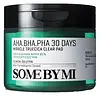 Key Ingredients
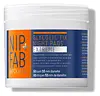
Benefits
Concerns
Ingredients Side-by-side
Salix Alba Bark Water 85%
Astringent
Butylene Glycol
Humectant

1,2-Hexanediol
Skin Conditioning
Glycerin
Humectant
Sodium Hyaluronate
Humectant


Betaine Salicylate 0.5%
Antimicrobial




Artemisia Princeps Leaf Extract
Skin ConditioningCentella Asiatica Extract
Cleansing
Melaleuca Alternifolia Leaf Water
Antimicrobial
Chamaecyparis Obtusa Leaf Extract
Skin ConditioningOpuntia Ficus-Indica Extract
Skin Conditioning
Houttuynia Cordata Extract
Skin Conditioning
Melia Azadirachta Leaf Extract
Skin ConditioningMelia Azadirachta Flower Extract
Skin ConditioningMadecassic Acid
Skin Conditioning
Asiaticoside
Antioxidant
Asiatic Acid
Skin Conditioning
Madecassoside
Antioxidant
Allantoin
Skin Conditioning
Panthenol
Skin Conditioning
Arginine
Masking
PEG-60 Hydrogenated Castor Oil
Emulsifying

Citric Acid
Buffering

Lactobionic Acid
Buffering
Sodium Hydroxide
BufferingWater
Skin ConditioningBenzyl Glycol
SolventEthylhexylglycerin
Skin ConditioningRaspberry Ketone
Masking
Mentha Piperita Oil
Masking



Salix Alba Bark Water 85%, Butylene Glycol, 1,2-Hexanediol, Glycerin, Sodium Hyaluronate, Betaine Salicylate 0.5%, Artemisia Princeps Leaf Extract, Centella Asiatica Extract, Melaleuca Alternifolia Leaf Water, Chamaecyparis Obtusa Leaf Extract, Opuntia Ficus-Indica Extract, Houttuynia Cordata Extract, Melia Azadirachta Leaf Extract, Melia Azadirachta Flower Extract, Madecassic Acid, Asiaticoside, Asiatic Acid, Madecassoside, Allantoin, Panthenol, Arginine, PEG-60 Hydrogenated Castor Oil, Citric Acid, Lactobionic Acid, Sodium Hydroxide, Water, Benzyl Glycol, Ethylhexylglycerin, Raspberry Ketone, Mentha Piperita Oil
Water
Skin ConditioningGlycolic Acid
Buffering

Polysorbate 20
Emulsifying
Glycerin
Humectant
Sodium Hydroxide
BufferingSodium Benzoate
Masking
Potassium Sorbate
Preservative
Disodium EDTA
Niacinamide
Smoothing
Lactic Acid
Buffering
Parfum
Masking
Limonene
Perfuming
Benzyl Benzoate
Antimicrobial
Salicylic Acid
Masking
Panthenol
Skin Conditioning
Hyaluronic Acid
Humectant
Mandelic Acid
Antimicrobial
Geraniol
Perfuming
Citral
Perfuming
Linalool
Perfuming
Reviews
Ingredients Explained
These ingredients are found in both products.
Ingredients higher up in an ingredient list are typically present in a larger amount.
Glycerin (or glycerol) is a compound naturally found in your skin. It's a powerhouse humectant that pulls water into the stratum corneum.
Topically, glycerin does several things at once:
Your skin makes glycerin on its own (mostly from sebaceous oil breakdown) and shuttles it to your outermost layer of skin, or your epidermis, via aquaporin-3.
Aquaporin-3 is a transporter that is essential for normal skin hydration, elasticity, and repair. Interestingly, mice lacking in AQP3 have dry and less elastic skin that can be fully corrected with glycerin.
This ingredient is non-irritating, plays well with almost every ingredient, and works across all skin types. Typical use is anywhere between 3-10% but can go up to 79% in some leave-on products.
Just know very high concentrations (>40%) can feel tacky in low humidity.
Glycerin is the name for this ingredient in American English. British English uses Glycerol/Glycerine.
Learn more about GlycerinPanthenol is a common ingredient that helps hydrate and soothe the skin. It is found naturally in our skin and hair.
There are two forms of panthenol: D and L.
D-panthenol is also known as dexpanthenol. Most cosmetics use dexpanthenol or a mixture of D and L-panthenol.
Panthenol is famous due to its ability to go deeper into the skin's layers. Using this ingredient has numerous pros (and no cons):
Like hyaluronic acid, panthenol is a humectant. Humectants are able to bind and hold large amounts of water to keep skin hydrated.
This ingredient works well for wound healing. It works by increasing tissue in the wound and helps close open wounds.
Once oxidized, panthenol converts to pantothenic acid. Panthothenic acid is found in all living cells.
This ingredient is also referred to as pro-vitamin B5.
Learn more about PanthenolSodium Hydroxide is also known as lye or caustic soda. It is used to adjust the pH of products; many ingredients require a specific pH to be effective.
In small amounts, sodium hydroxide is considered safe to use. However, large amounts may cause chemical burns due to its high alkaline.
Your skin has a natural pH and acid mantle. This acid mantle helps prevent harmful bacteria from breaking through. The acid mantle also helps keep your skin hydrated.
"Alkaline" refers to a high pH level. A low pH level would be considered acidic.
Learn more about Sodium HydroxideWater. It's the most common cosmetic ingredient of all. You'll usually see it at the top of ingredient lists, meaning that it makes up the largest part of the product.
So why is it so popular? Water most often acts as a solvent - this means that it helps dissolve other ingredients into the formulation.
You'll also recognize water as that liquid we all need to stay alive. If you see this, drink a glass of water. Remember to stay hydrated!
Learn more about Water

