Skintific Sensitive Moisture Gel Versus Safi Hydra Glow Hydralight Glycerin & Hyaluronic Acid Oil-Free Gel Moisturiser
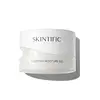
This calming moisturizer is formulated around Squalane and Bisabolol to calm redness and strengthen the skin barrier.
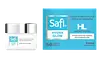
This barrier-repair moisturizer is formulated around Niacinamide and Sodium Hyaluronate to strengthen the skin barrier and hydrate skin.


What's inside
What's inside
 Key Ingredients
Benefits
Concerns
Ingredients Side-by-side
Water
Skin ConditioningButylene Glycol
Humectant

Diethoxyethyl Succinate
SolventSqualane
Emollient
Cetearyl Olivate


Sorbitan Olivate
Emulsifying
Dimethicone
Emollient

Ammonium Acryloyldimethyltaurate/Vp Copolymer
Hydroxyacetophenone
Antioxidant
Hexanediol
SolventCetearyl Alcohol
Emollient




Coco-Caprylate/Caprate
Emollient
Cyanocobalamin
Skin ConditioningLactobacillus/Soymilk Ferment Filtrate
Skin ConditioningPentylene Glycol
Skin Conditioning
Acrylates/C10-30 Alkyl Acrylate Crosspolymer
Emulsion StabilisingBisabolol
Antioxidant

Portulaca Oleracea Extract
Skin Conditioning
Ceramide Ns
Skin Conditioning
Sodium Hyaluronate
Humectant
Hydroxyphenyl Propamidobenzoic Acid
Skin ConditioningCitric Acid
Buffering

Centella Asiatica Extract
Cleansing
Asiaticoside
Antioxidant
Water, Butylene Glycol, Diethoxyethyl Succinate, Squalane, Cetearyl Olivate, Sorbitan Olivate, Dimethicone, Ammonium Acryloyldimethyltaurate/Vp Copolymer, Hydroxyacetophenone, Hexanediol, Cetearyl Alcohol, Coco-Caprylate/Caprate, Cyanocobalamin, Lactobacillus/Soymilk Ferment Filtrate, Pentylene Glycol, Acrylates/C10-30 Alkyl Acrylate Crosspolymer, Bisabolol, Portulaca Oleracea Extract, Ceramide Ns, Sodium Hyaluronate, Hydroxyphenyl Propamidobenzoic Acid, Citric Acid, Centella Asiatica Extract, Asiaticoside
Water
Skin ConditioningNiacinamide
Smoothing




Glycerin
Humectant
Betaine
Humectant
Butylene Glycol
Humectant
Biosaccharide Gum-1
Humectant
Dimethicone
Emollient
Cyclopentasiloxane
Emollient
Carbomer
Emulsion StabilisingCyclohexasiloxane
Emollient
Ethylhexylglycerin
Skin ConditioningBisabolol
Antioxidant
Aminomethyl Propanol
BufferingSodium Polyacrylate
Absorbent
Xanthan Gum
EmulsifyingDisodium EDTA
Sodium Hyaluronate
Humectant
Diethylhexyl Syringylidenemalonate
Skin Protecting
Trideceth-6
EmulsifyingPanthenol
Skin Conditioning
PEG/PPG-18/18 Dimethicone
Emulsifying
Caprylic/Capric Triglyceride
Masking
Aspergillus Ferment
Skin ConditioningZingiber Officinale Root Extract
Masking
Parfum
Masking


Phenoxyethanol
Preservative
Chlorphenesin
Antimicrobial
Water, Niacinamide, Glycerin, Betaine, Butylene Glycol, Biosaccharide Gum-1, Dimethicone, Cyclopentasiloxane, Carbomer, Cyclohexasiloxane, Ethylhexylglycerin, Bisabolol, Aminomethyl Propanol, Sodium Polyacrylate, Xanthan Gum, Disodium EDTA, Sodium Hyaluronate, Diethylhexyl Syringylidenemalonate, Trideceth-6, Panthenol, PEG/PPG-18/18 Dimethicone, Caprylic/Capric Triglyceride, Aspergillus Ferment, Zingiber Officinale Root Extract, Parfum, Phenoxyethanol, Chlorphenesin
Reviews
Ingredients Explained
These ingredients are found in both products.
Ingredients higher up in an ingredient list are typically present in a larger amount.
Bisabolol is a gentle skin conditioner, antioxidant, and soothing ingredient.
It's primary claim to fame is soothing and research shows topically applied bisabolol can quiet the chemical messengers that cause your skin to become inflamed, helping to sooth any irritation.
A clinical study found that applying 0.5% bisabolol daily for 8 weeks produced an average 9% decrease in skin pigmentation. Researchers found it can also suppress the process that leads to excess melanin production in skin.
In vitro studies found that bisabolol combined with propylene glycol significantly increased skin permeability by increasing lipid fluidity in the stratum corneum.
You'll likely see use concentrations quite low, usually 0.1-0.2%.
Overall, this is a well-tolerated ingredient that works well in formulas designed for sensitive, reactive, or post-procedure skin.
Learn more about BisabololButylene Glycol (or BG) is used within cosmetic products for a few different reasons:
Overall, Butylene Glycol is a safe and well-rounded ingredient that works well with other ingredients.
Though this ingredient works well with most skin types, some people with sensitive skin may experience a reaction such as allergic rashes, closed comedones, or itchiness.
Learn more about Butylene GlycolDimethicone is a type of synthetic silicone created from natural materials such as quartz. It is also known as polydimethylsiloxane.
What it does:
Dimethicone comes in different viscosities:
Depending on the viscosity, dimethicone has different properties.
Ingredients lists don't always show which type is used, so we recommend reaching out to the brand if you have questions about the viscosity.
This ingredient is unlikely to cause irritation because it does not get absorbed into skin. However, people with silicone allergies should be careful about using this ingredient.
Note: Dimethicone may contribute to pilling. This is because it is not oil or water soluble, so pilling may occur when layered with products. When mixed with heavy oils in a formula, the outcome is also quite greasy.
Learn more about DimethiconeSodium Hyaluronate is the salt form of hyaluronic acid. It is a long sugar chain that is naturally found in your skin, joints, and connective tissue that maintains hydration and elasticity.
In skincare, it works as a humectant. It pulls water from the environment and deeper layers of skin and binds it to the surface.
Interestingly, the size of the molecule affects its behavior:
Some clinical evidence links low molecular weight versions to improved wrinkle depth, elasticity, anti-inflammatory effects, and barrier repair.
Many serums use a blend of both weights so you can get surface hydration plus longer-lasting and deeper effects.
You'll typically see concentrations between 0.1-2% for this ingredient.
Learn more about Sodium HyaluronateWater. It's the most common cosmetic ingredient of all. You'll usually see it at the top of ingredient lists, meaning that it makes up the largest part of the product.
So why is it so popular? Water most often acts as a solvent - this means that it helps dissolve other ingredients into the formulation.
You'll also recognize water as that liquid we all need to stay alive. If you see this, drink a glass of water. Remember to stay hydrated!
Learn more about Water

