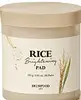
This brightening toner pad uses a pre-saturated pad with Niacinamide and Oryza Sativa Extract to brighten dull-looking skin and refine skin texture.
This hydrating toner is formulated around Euterpe Oleracea Fruit Extract and Protease to hydrate skin and refine skin texture.

What's inside
What's inside
 Key Ingredients
Benefits
Concerns
No concerns
Ingredients Side-by-side
Water
Skin ConditioningButylene Glycol
Humectant

Glycerin
Humectant
Niacinamide
Smoothing









Methylpropanediol
SolventGlycereth-26
Humectant
Dipropylene Glycol
HumectantGlyceryl Glucoside
Humectant
Panthenol
Skin Conditioning
Hydroxyacetophenone
Antioxidant
Caprylyl Glycol
Emollient
Polyglyceryl-10 Laurate
Skin Conditioning

Ethylhexylglycerin
Skin ConditioningCarbomer
Emulsion StabilisingAdenosine
Skin Conditioning
Tromethamine
BufferingOryza Sativa Extract
Absorbent
1,2-Hexanediol
Skin Conditioning
Glucose
Humectant
Oryza Sativa Bran Water
Masking
Oryza Sativa Seed Water
Antimicrobial
Pantolactone
Humectant
Aspergillus Ferment
Skin ConditioningDipotassium Glycyrrhizate
Humectant
Glycine
Buffering
Serine
Masking
Glutamic Acid
Humectant
Gluconolactone
Chelating
Aspartic Acid
Masking
Leucine
Skin ConditioningAlanine
Masking
Lysine
Skin ConditioningArginine
Masking
Tyrosine
MaskingPhenylalanine
Masking
Valine
MaskingProline
Skin Conditioning
Threonine
Isoleucine
Skin ConditioningHistidine
Humectant
Methionine
Skin ConditioningCysteine
Antioxidant
Hydrolyzed Rice Protein
Skin ConditioningCaprylhydroxamic Acid
ChelatingProtease
Exfoliating
Trehalose
Humectant
Sh-Oligopeptide-1
Skin Conditioning
Disodium EDTA
ChelatingParfum
Masking


Water, Butylene Glycol, Glycerin, Niacinamide, Methylpropanediol, Glycereth-26, Dipropylene Glycol, Glyceryl Glucoside, Panthenol, Hydroxyacetophenone, Caprylyl Glycol, Polyglyceryl-10 Laurate, Ethylhexylglycerin, Carbomer, Adenosine, Tromethamine, Oryza Sativa Extract, 1,2-Hexanediol, Glucose, Oryza Sativa Bran Water, Oryza Sativa Seed Water, Pantolactone, Aspergillus Ferment, Dipotassium Glycyrrhizate, Glycine, Serine, Glutamic Acid, Gluconolactone, Aspartic Acid, Leucine, Alanine, Lysine, Arginine, Tyrosine, Phenylalanine, Valine, Proline, Threonine, Isoleucine, Histidine, Methionine, Cysteine, Hydrolyzed Rice Protein, Caprylhydroxamic Acid, Protease, Trehalose, Sh-Oligopeptide-1, Disodium EDTA, Parfum
Water
Skin ConditioningButylene Glycol
Humectant
Glycerin
Humectant
Propanediol
Solvent
Euterpe Oleracea Fruit Extract
1,2-Hexanediol
Skin Conditioning
Protease
Exfoliating
Betaine
Humectant
Panthenol
Skin Conditioning
Rubus Fruticosus Fruit Extract
AstringentVaccinium Macrocarpon Fruit Extract
AstringentVaccinium Angustifolium Fruit Extract
Skin Protecting
Rubus Idaeus Fruit Extract
AstringentSambucus Nigra Fruit Extract
AstringentXanthan Gum
EmulsifyingAllantoin
Skin Conditioning
Beta-Glucan
Skin Conditioning
Fructan
Skin ConditioningStyrene/Vp Copolymer
Sodium Hyaluronate
Humectant
Pentylene Glycol
Skin Conditioning
Caprylyl Glycol
Emollient
Water, Butylene Glycol, Glycerin, Propanediol, Euterpe Oleracea Fruit Extract, 1,2-Hexanediol, Protease, Betaine, Panthenol, Rubus Fruticosus Fruit Extract, Vaccinium Macrocarpon Fruit Extract, Vaccinium Angustifolium Fruit Extract, Rubus Idaeus Fruit Extract, Sambucus Nigra Fruit Extract, Xanthan Gum, Allantoin, Beta-Glucan, Fructan, Styrene/Vp Copolymer, Sodium Hyaluronate, Pentylene Glycol, Caprylyl Glycol
Reviews
Ingredients Explained
These ingredients are found in both products.
Ingredients higher up in an ingredient list are typically present in a larger amount.
1,2-Hexanediol is a synthetic liquid and another multi-functional powerhouse.
It is a:
- Humectant, drawing moisture into the skin
- Emollient, helping to soften skin
- Solvent, dispersing and stabilizing formulas
- Preservative booster, enhancing the antimicrobial activity of other preservatives
Butylene Glycol (or BG) is used within cosmetic products for a few different reasons:
Overall, Butylene Glycol is a safe and well-rounded ingredient that works well with other ingredients.
Though this ingredient works well with most skin types, some people with sensitive skin may experience a reaction such as allergic rashes, closed comedones, or itchiness.
Learn more about Butylene GlycolCaprylyl Glycol is a humectant, skin conditioner, emollient, and preservative booster derived from either caprylic acid or synthetically created.
Typical use levels vary from 0.3-1% as a preservative booster and go up to 2% to condition skin.
Because it is not a free-fatty acid, this ingredient is fungal acne safe (there's nothing for Malassezia to feed on).
Learn more about Caprylyl GlycolGlycerin (or glycerol) is a compound naturally found in your skin. It's a powerhouse humectant that pulls water into the stratum corneum.
Topically, glycerin does several things at once:
Your skin makes glycerin on its own (mostly from sebaceous oil breakdown) and shuttles it to your outermost layer of skin, or your epidermis, via aquaporin-3.
Aquaporin-3 is a transporter that is essential for normal skin hydration, elasticity, and repair. Interestingly, mice lacking in AQP3 have dry and less elastic skin that can be fully corrected with glycerin.
This ingredient is non-irritating, plays well with almost every ingredient, and works across all skin types. Typical use is anywhere between 3-10% but can go up to 79% in some leave-on products.
Just know very high concentrations (>40%) can feel tacky in low humidity.
Glycerin is the name for this ingredient in American English. British English uses Glycerol/Glycerine.
Learn more about GlycerinPanthenol is a common ingredient that helps hydrate and soothe the skin. It is found naturally in our skin and hair.
There are two forms of panthenol: D and L.
D-panthenol is also known as dexpanthenol. Most cosmetics use dexpanthenol or a mixture of D and L-panthenol.
Panthenol is famous due to its ability to go deeper into the skin's layers. Using this ingredient has numerous pros (and no cons):
Like hyaluronic acid, panthenol is a humectant. Humectants are able to bind and hold large amounts of water to keep skin hydrated.
This ingredient works well for wound healing. It works by increasing tissue in the wound and helps close open wounds.
Once oxidized, panthenol converts to pantothenic acid. Panthothenic acid is found in all living cells.
This ingredient is also referred to as pro-vitamin B5.
Learn more about PanthenolProtease is an enzyme that works as a gentle exfoliant by mimicking something your skin already does naturally.
Your skin uses proteolytic enzymes to carry out desquamation; this is the process of shedding dead skin cells from the stratum corneum.
In skincare, proteases act as biological catalysts that mimic this natural desquamation process. You can think of it as giving your skin's own renewal system a nudge.
By breaking down the bonds that hold dead skin cells together, proteases help accelerate cell turnover to:
One reason they're becoming a popular AHA alternative is because proteases are considered effective while also being well-tolerated on skin. Because they work at a protein level rather than by lowering the skin pH, they can be a good option for those sensitive to AHAs.
Available in vitro and in vivo studies show positive exfoliant results but clinical (human) trials specifically on enzymatic exfoliation are still limited at this time.
Just one thing worth noting: temperature, pH, and stabilization are important factors that affect enzyme activity. The formulation quality definitely matters with this ingredient.
This ingredient can be either microbial sourced or plant-derived (papain from papaya, bromelain from pineapple).
Learn more about ProteaseWater. It's the most common cosmetic ingredient of all. You'll usually see it at the top of ingredient lists, meaning that it makes up the largest part of the product.
So why is it so popular? Water most often acts as a solvent - this means that it helps dissolve other ingredients into the formulation.
You'll also recognize water as that liquid we all need to stay alive. If you see this, drink a glass of water. Remember to stay hydrated!
Learn more about Water

