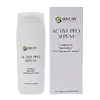
This barrier-repair serum is formulated around Lactococcus Ferment Lysate to strengthen the skin barrier.

What's inside
What's inside
 Key Ingredients
Benefits
Concerns
Ingredients Side-by-side
Water
Skin ConditioningPentylene Glycol
Skin Conditioning
Human Neonatal Fibroblast Conditioned Media
Skin ConditioningGlycereth-7 Triacetate
EmollientShea Butter Ethyl Esters
Emollient

Glycerin
Humectant

Ethoxydiglycol
HumectantLactococcus Ferment Lysate
Skin Conditioning
Whey Protein
Skin ConditioningChlorella Vulgaris Extract
Skin ConditioningSaccharide Isomerate
Humectant
Dimer Tripeptide-43

Vitis Vinifera Flower Cell Extract
MaskingPyrus Malus Fruit Extract
Skin Conditioning
Hydroxyacetophenone
Antioxidant
Tocopheryl Acetate
Antioxidant

Propanediol
Solvent
Xanthan Gum
EmulsifyingPolyacrylate Crosspolymer-6
Emulsion StabilisingPolyacrylate-13
Polyisobutene
Sclerotium Gum
Emulsion StabilisingPEG-12 Dimethicone
Skin Conditioning
Lecithin
Emollient
Pullulan
Butylene Glycol
Humectant
Sodium Citrate
BufferingPolysorbate 20
Emulsifying
Aminomethyl Propanol
BufferingDisodium EDTA
ChelatingPhenoxyethanol
Preservative
Ethylhexylglycerin
Skin ConditioningWater, Pentylene Glycol, Human Neonatal Fibroblast Conditioned Media, Glycereth-7 Triacetate, Shea Butter Ethyl Esters, Glycerin, Ethoxydiglycol, Lactococcus Ferment Lysate, Whey Protein, Chlorella Vulgaris Extract, Saccharide Isomerate, Dimer Tripeptide-43, Vitis Vinifera Flower Cell Extract, Pyrus Malus Fruit Extract, Hydroxyacetophenone, Tocopheryl Acetate, Propanediol, Xanthan Gum, Polyacrylate Crosspolymer-6, Polyacrylate-13, Polyisobutene, Sclerotium Gum, PEG-12 Dimethicone, Lecithin, Pullulan, Butylene Glycol, Sodium Citrate, Polysorbate 20, Aminomethyl Propanol, Disodium EDTA, Phenoxyethanol, Ethylhexylglycerin
Water
Skin ConditioningPentylene Glycol
Skin Conditioning
Human Neonatal Fibroblast Conditioned Media
Skin ConditioningGlycereth-7 Triacetate
EmollientShea Butter Ethyl Esters
Emollient
Glycerin
Humectant
Ethoxydiglycol
HumectantLactococcus Ferment Lysate
Skin Conditioning
Whey Protein
Skin ConditioningChlorella Vulgaris Extract
Skin ConditioningSaccharide Isomerate
Humectant
Dimer Tripeptide-43
Vitis Vinifera Flower Cell Extract
MaskingPyrus Malus Fruit Extract
Skin Conditioning
Hydroxyacetophenone
Antioxidant
Tocopheryl Acetate
Antioxidant
Propanediol
Solvent
Xanthan Gum
EmulsifyingPolyacrylate Crosspolymer-6
Emulsion StabilisingPolyacrylate-13
Polyisobutene
Sclerotium Gum
Emulsion StabilisingPEG-12 Dimethicone
Skin Conditioning
Lecithin
Emollient
Pullulan
Butylene Glycol
Humectant
Sodium Citrate
BufferingPolysorbate 20
Emulsifying
Aminomethyl Propanol
BufferingDisodium EDTA
ChelatingPhenoxyethanol
Preservative
Ethylhexylglycerin
Skin ConditioningWater, Pentylene Glycol, Human Neonatal Fibroblast Conditioned Media, Glycereth-7 Triacetate, Shea Butter Ethyl Esters, Glycerin, Ethoxydiglycol, Lactococcus Ferment Lysate, Whey Protein, Chlorella Vulgaris Extract, Saccharide Isomerate, Dimer Tripeptide-43, Vitis Vinifera Flower Cell Extract, Pyrus Malus Fruit Extract, Hydroxyacetophenone, Tocopheryl Acetate, Propanediol, Xanthan Gum, Polyacrylate Crosspolymer-6, Polyacrylate-13, Polyisobutene, Sclerotium Gum, PEG-12 Dimethicone, Lecithin, Pullulan, Butylene Glycol, Sodium Citrate, Polysorbate 20, Aminomethyl Propanol, Disodium EDTA, Phenoxyethanol, Ethylhexylglycerin
Reviews
Ingredients Explained
These ingredients are found in both products.
Ingredients higher up in an ingredient list are typically present in a larger amount.
Aminomethyl Propanol is used to adjust the pH of products. It is also used as a base to create other organic compounds. Having a balanced pH is important for protecting your skin.
Aminomethyl propanol is safe to use in cosmetics up to 1%. It is soluble in water.
Butylene Glycol (or BG) is used within cosmetic products for a few different reasons:
Overall, Butylene Glycol is a safe and well-rounded ingredient that works well with other ingredients.
Though this ingredient works well with most skin types, some people with sensitive skin may experience a reaction such as allergic rashes, closed comedones, or itchiness.
Learn more about Butylene GlycolChlorella Vulgaris Extract comes from a single-celled green freshwater algae.
The version used in skincare is almost always a water or glycerin-based extract that is basically the algae's amino acids, peptides, sugars, and chlorophyll pigments.
It acts as a skin-conditioning agent and the research behind it at this time is mostly lab-dish rather than human trials.
Isolated Chlorella peptides inhibit collagenase and elastase (the enzymes that chew up collagen and elastin) and mop up free radicals in test-tube assays. Another study found a Chlorella gel sped up wound healing in mice. Many of the firming or dark-circle claims come from the ingredient supplier's own studies.
Suppliers suggest using 1-2% of the trade version (Water/Glycerin + Chlorella Vulgaris Extract) in a finished formula which means the actual algae solids are a fraction of a percent.
Allergy risk is low and topical reactions are rare; the 2020 anaphylaxis case came from eating Chlorella supplements and not from putting it on skin.
However, patch testing is sensible if you have reacted to algae before.
The "chlorella is high in iodine so it breaks you out" line borrows from marine seaweed. Freshwater Chlorella isn't a notable iodine source unless it's deliberately grown in iodine-enriched medium.
Just so you know, many lists give algae a comedogenic rating of 5 and that number doesn't come from anywhere; it's not in the original rabbit-ear studies that most comedogenic ratings trace back to.
The reasoning behind the reputation is that seaweed is high in iodine and iodine can trigger acne-like breakouts when eaten. This traces back to a 1976 letter in Archives of Dermatology describing two women whose breakouts cleared after they stopped taking high-dose kelp supplements orally.
And the reaction of these two women wasn't clogged pores at all: it was an iodine-triggered pustular rash. Later research found normal dietary iodine doesn't meaningfully affect acne either and nobody has shown topical algae delivers enough iodine to matter.
Learn more about Chlorella Vulgaris ExtractDimer Tripeptide-43 is a peptide.
Disodium EDTA is a chelating agent. It grabs onto and deactivates metal ions that sneak into your products from water, packaging, or air.
This ingredient mainly works behind the scenes and helps with:
On top of that, this ingredient can counteract the effects of hard water by binding to the minerals in it.
One thing worth knowing is that Disodium EDTA has been shown to be a mild penetration enhancer. It can help other ingredients absorb into skin more effectively which can be a double-edged sword (great for actives, but can also make the active too strong if you have sensitive skin).
Clinical patch testing showed no significant skin irritation at typical use concentrations and minimal dermal absorption.
You'll most likely see this ingredient near the end of an ingredient list. It's typically found in concentrations less than 1%.
Learn more about Disodium EDTAEthoxydiglycol (aka Diethylene Glycol Monoethyl Ether) is one of the cosmetic world's quiet problem solvers.
In a formula, it is a solvent that dissolves tricky ingredients that don't want to mix in and helps spread ingredients evenly across your skin without leaving a greasy or sticky feeling
This makes it great for hard-to-dissolve actives like vitamin C, benzoyl peroxide, and self-tanner DHA.
It also has mild humectant and penetration enhancer abilities so it can help some actives absorb a little deeper.
The penetration boost is backed by lab research: studies using human skin samples found it improved how well an active dissolves into the upper layer of skin rather than tearing down your skin barrier. Reviews of its mechanism also describe it interacting gently with the lipids and water in your outermost layer of skin.
Just know this penetration-enhancing effect is not universal. It helps a lot in some formulas and did very little in others (so the benefit really depends on the specific product).
Safety-wise, the evidence is reassuring. The Cosmetic Ingredient Review Expert Panel reviewed it and concluded it's safe for use in cosmetics and recognized it as non-irritating, non-sensitizing, and non-comedogenic in skincare.
Typical leave-on skincare usage lands around 1-10%. The EU has sets caps of 2.6% in non-spray products, 10% in rinse-offs, 7% in oxidative hair dye, and 5% in non-oxidative hair dye.
Learn more about EthoxydiglycolEthylhexylglycerin is created from glycerin. It is a multitasker ingredient that:
The CIR Expert Panel found minimal skin absorption or sensitization of any kind in a safety assessment. Though this ingredient is considered well-tolerated, a small number of cases of allergic dermatitis have been published since 2002. Just be sure to patch test if you are unsure.
Industry-reported use ranges from 8% in rinse-off products and 2% in leave-on formulations.
Learn more about EthylhexylglycerinWe don't have a description for Glycereth-7 Triacetate yet.
Glycerin (or glycerol) is a compound naturally found in your skin. It's a powerhouse humectant that pulls water into the stratum corneum.
Topically, glycerin does several things at once:
Your skin makes glycerin on its own (mostly from sebaceous oil breakdown) and shuttles it to your outermost layer of skin, or your epidermis, via aquaporin-3.
Aquaporin-3 is a transporter that is essential for normal skin hydration, elasticity, and repair. Interestingly, mice lacking in AQP3 have dry and less elastic skin that can be fully corrected with glycerin.
This ingredient is non-irritating, plays well with almost every ingredient, and works across all skin types. Typical use is anywhere between 3-10% but can go up to 79% in some leave-on products.
Just know very high concentrations (>40%) can feel tacky in low humidity.
Glycerin is the name for this ingredient in American English. British English uses Glycerol/Glycerine.
Learn more about GlycerinThis is a growth factor ingredient.
So what are growth factors? They're tiny messenger proteins your skin already makes on its own. Their job is to tell skin cells what to do: grow, repair, make more collagen, calm down after damage.
Our skin makes fewer of them as we age. This is a big part of why older skin heals slower and looks less bouncy.
The idea behind putting them in skincare is to "top up" the supply from the outside.
"Conditioned media" sounds mysterious but it's basically just leftover broth.
They're made in a lab where scientists grow human skin cells (fibroblasts) in a nutrient liquid. These cells release a cocktail of helpful proteins into that liquid as they live and grow.
Then, these cells are filtered out and the ingredient is the "conditioned" liquid now full of secreted goodies.
So what does neonatal mean here? It just means the original cells came from newborn tissue (usually donated foreskin), which tend to be younger, more active, and better at pumping out growth factors than adult cells.
Technically, this isn't one single ingredient, it's a mix of dozens of active molecules working together, including:
Studies find growth factor conditioned media can help with:
The evidence behind this ingredient is pretty solid too (and not just marketing).
A 24 week study of a fibroblast conditinoed media serum showed measurable improvements in the look of photodamaged skin, and these results were backed by actual skin biopsies rather than just before/after photoshoots.
And a broader review that pulled together many growth factor studies came to a similar conclusion: they generally help with fine lines, texture, firmness, and are well-tolerated.
It's also worth knowing the caveat that the review pointed out most of these serums also contained peptides, antioxidants, and exosomes.
The honest answer is there isn't a tidy "use at 1-2%" number the way there is for something like niacinamide.
This is because conditioned media isn't a single molecule. Brands add it as a percentage of a finished formula so that number is all over the map.
The serums built around it usually advertise very high levels (~50%) while others just use a splash. And the individual growth factors floating inside are actually present in very tiny amounts (think nano/micrograms per gram).
Here's one regulatory anchor point: the FDA has approved a wound healing gel that uses a pure growth factor at 0.01% (100 micrograms per gram). This shows the active growth factors themselves work at very low concentrations.
So the "50%" numbers you see on labels refer to the diluted broth and not the pure proteins.
The single most important thing to understand growth factors is that they are very fragile.
Dr. Zoe Draelos wrote this about them for Dermatology Times:
Independent lab work backs up the fragility.
Many growth factors lose a big chunk of their activity within a day or two sitting in water at room temperature and this is why smart formulating matters so much. Airless pumps, water-free formulas, and cool storage all help the ingredient survive long enough to do something. It's also a green flag if a brand can show real stability testing.
None of this means growth factor serums don't work; plenty of people get lovely results. It just means the formulation and packaging are doing a lot of the heavy lifting.
You may have heard a worry that growth factors "feed" skin cancer because their whole job is to encourage cells to multiply (this is called mitogenic activity).
It's a fair question to ask so here's the actual picture.
The theoretical concern is real enough that dermatologists take it seriously. There IS a hypothetical worry that they can encourage the wrong cells to grow in skin that already has sun damage or pre-cancerous spots.
Due to this, the cautious advice is to check with your dermatologist before using growth factor products if you have psoriasis, a history of skin cancer, or a lot of pre-cancerous sun damage.
Now the reassuring side:
There has been no documented pattern of growth factor products causing skin cancers despite millions of units sold over many years.
A large safety review of pure PDGF (one of the growth factors in these blends) found it to be non-toxic, non-mutagenic, and non-carcinogenic across decades of medical use. This is including repeated daily application to open wounds.
And a dermatology review specifically looking at topical EGF found no evidence that it stimulates cancer cells to grow (partly because these proteins are large and mostly stay near the surface).
The bottom line for a healthy person with no specific risk factor:
Growth factor conditioned media has a strong track record and is generally considered safe and well tolerated.
But be sure to loop in your dermatologist first if you have psoriasis, active or past skin cancer, or heavy sun damage. This is not because it's proven dangerous but because it's a sensible precaution while the long-term research keeps building.
The US allows human-derived growth factors so Human Neonatal Fibroblast Conditioned Media appears on labels.
In the EU, human-cell-derived ingredients are banned in cosmetics. EU products use plant-derived alternatives (barley is a common one) to get a similar effect.
Learn more about Human Neonatal Fibroblast Conditioned MediaHydroxyacetophenone is a small phenolic molecule that earns its place in a formulas as an antioxidant and preservative booster.
As a phenol, it is able to neutralize free radicals to protect both the product and the skin from oxidative stress.
Though it can't kill microbes on its own, it works as a good supporting agent when combined with other preservatives like Phenoxyethanol or 1,2-Hexanediol.
This ingredient naturally occurs as piceol in Norwegian spruce needles (~0.4-1.1% dry weight and in cloudberries). Though the cosmetic-grade material is synthesized for purity and consistency.
You'll usually see it used at low levels and suppliers recommend up to 1% added to a water phase.
Safety testing was done at concentrations like 0.05% in SPF products and 0.5% in a Human Repeated Insult Patch Test. The safety evidence is assuring; this ingredient is safe for cosmetics in current use and also holds safety status as a food flavoring as well.
An honest caveat: the "soothing" and "anti-inflammatory" claims come mostly from supplier marketing rather than published clinical trials. The Cosmetic Ingredient Review's own literature search found no useful efficacy studies on this ingredient.
So the antioxidant and preservative-boosting roles are the well supported ones while the calming benefit is plausible but thinly evidenced.
Overall, this is a well-tolerated, low-irritation multitasker that quietly helps a formula stay fresh and stable.
Learn more about HydroxyacetophenoneLactococcus Ferment Lysate is a postbiotic created by fermenting Lactoccus lactis, a type of bacteria more commonly used to create Lactic acid.
Postbiotics are inactive molecules produced by probiotic bacteria that provide skin benefits.
This ingredient offers promising benefits, but it is relatively new and more evidence is needed to prove its efficacy. The manufacturer claims this ingredient:
A study from 2022 found this ingredient helped protect skin against damaged from UV exposure (though this should not replace your sunscreen!).
The lysate in the ingredient name refers to a fluid that forms from breaking down the cell membrane.
Learn more about Lactococcus Ferment LysateLecithin is a term for a group of substances found in the cell membranes of plants, animals, and humans. They are made up of phospholipids.
Thanks to its amphiphilic structure (water-loving head and oil-loving tail), it is a true multitasker:
It plays well with most ingredients and is typically used at 0.1-1%. However, concentrations up to 50% have been reported in moisturizers.
Learn more about LecithinPEG-12 Dimethicone is a type of water-soluble silicone. It has skin conditioning and hydrating properties.
According to a manufacturer, this ingredient's stability is decreased by strong acid or alkali.
Pentylene Glycol (1,2-pentanediol) is a multitasking little diol with three main roles in a formula:
Research on alkanediols (the family pentylene glycol belongs to) show they work by disrupting microbial cell membranes. This disruption helps the primary preservative system in a product work more effectively at lower doses.
On the safety side, the Cosmetic Ingredient Review Expert Panel has concluded this ingredient to be safe as used in current cosmetic practices + concentrations.
Typical use levels in a formula run about 1-5%.
Learn more about Pentylene GlycolPhenoxyethanol is one of the most widely used preservatives in skincare (and for good reason!).
It has a large spectrum of antimicrobial activity and especially effective bacteria, yeast, and mold while only having a weak effect on your skin's natural microbiome.
On a cellular level, it disrupts the cell membranes of microbes by poking holes that make the cell leak. This shuts down the chemical reactions the microbe needs to make energy so it can no longer survive.
Another perk of this ingredient is that it stays functional across a wide pH range (3-10).
You'll often see it paired with boosters like Ethylhexylglycerin; one study showed that a 1:9 ratio of Ethylhexylglycerin to Phenoxyethanol damages bacterial membranes as effectively as doubling the Phenoxyethanol concentration on its own.
Typical use concentrations range from 0.3-1% depending on the formula, and this ingredient is capped at 1% int the EU.
Safety-wise, the fear mongering does not hold up to the evidence. The EU's Scientific Committee on Consumer Safety and FDA consider it safe as a preservative at up to 1%, including for children of all ages.
Adverse systemic effects only showed up in animal studies at exposures roughly 200x higher than what people get from cosmetics. And despite its very widespread use, this ingredient is a rare sensitizer and allergic reactions are uncommon.
Learn more about PhenoxyethanolPolyacrylate Crosspolymer-6 is a texture enhancer and pH adjuster.
It is be used to thicken water-based products and create a gel-texture with a velvet feel.
One manufacturer claims this ingredient to have a pH range of 2-8 and to be biodegradable.
This ingredient is also known as Sepimax Zen.
Learn more about Polyacrylate Crosspolymer-6Polyacrylate-13 is a type of acrylate polymer. Acrylate polymers are commonly used as adhesives in cosmetics.
Polyacrylate-13 creates a film to protect the skin. It is also used to thicken and stabilize a product. It works by making water a gel-like consistency. This gel consistency helps suspend particles.
Polyacrylate-13 is a copolymer of acrylic acid, acrylamide, sodium acrylate, sodium acryloyldimethyltaurate monomers
Learn more about Polyacrylate-13Polyisobutene is a synthetic polymer made from isobutene.
It is a film-forming agent and helps bind ingredients together.
Polyisobutene is not absorbed by the skin.
Learn more about PolyisobutenePolysorbate 20 is a gentle, water-soluble emulsifier and mild surfactant. It stops oil and water from separating to keep your formulas blended and stable.
It also acts as a mild penetration enhancer by helping active ingredients absorb slightly better.
The common safety discussion around this ingredient involves a manufacturing byproduct called 1,4-dioxane.
Trace amounts can form during production but the EU's Scientific Committee on Consumer Safety has concluded that levels at/below 10 ppm in finished products are safe (commercial products consistently fall within acceptable margins).
True allergic reactions are uncommon and the CIR Expert Panel has confirmed this ingredient to be safe as used in cosmetics.
Because it is derived from lauric acid, it may not be fungal acne safe.
Learn more about Polysorbate 20Propanediol is an all-star ingredient. It softens, hydrates, and smooths the skin.
It’s often used to:
Propanediol is not likely to cause sensitivity and considered safe to use. It is derived from corn or petroleum with a clear color and no scent.
Learn more about PropanediolPullulan is a low viscosity polysaccharide (a long chain carbohydrate) with binding and film forming properties when dissolved in water. It is used to create a "silicone-like" or silky feel in cosmetics without adding viscosity.
According to a manufacturer, this ingredient's ability to easily dissolves makes it a great carrier for active ingredients.
Due to it being edible and tasteless, you'll likely find this ingredient in breath freshener strips. This ingredient is produced from the starch of the fungus, Aureobasidium pullulans.
Pullulan is stable over a broad-range of pH.
Learn more about PullulanPyrus Malus Fruit Extract is extract from Apples. Apples are rich in Vitamin C, sugars, and antioxidants.
The sugar in Apples are humectants and help hydrate the skin. On top of that, apples also contain some acids, such as malic acid. These acids may have a mild exfoliating effect.
Last, the phytochemicals found in apples are strong antioxidants. These antioxidants help with anti-aging as they protect your skin cells against oxidative damage.
Learn more about Pyrus Malus Fruit ExtractSaccharide Isomerate comes from sugars found in corn. It is a skin hydrator.
The structure of this ingredient can be altered to be more similar to the carbohydrates found in our skin. This ability to mimic our skin gives it hydrating properties.
Specifically, saccharide Isomerate is a humectant. Humectants draw moisture from the air to our skin.
Research shows Saccharide Isomerate to be an effective moisturizer.
Learn more about Saccharide IsomerateSclerotium Gum is a natural sugar-based fiber made by fermenting a fungus called Sclerotium rolfsii. It's often used as the plant-friendly alternative for synthetic thickeners like carbomer.
In skincare, it works as a thickener, gel former, and stabilizer that keeps heavy ingredients suspended so a product does not separate.
It is non-ionic and forms a triple helix in solution. This is just a fancy way of saying it builds a smooth, cushiony, and non-sticky gel that feels silkier than many other gums.
Another perk of this ingredient is that it is very sturdy and holds up across a wide pH range (~2-11). It's also good at resisting heat and hydrolysis.
Since it holds water at the skin surface, it can provide some light hydration as well.
Typical use levels are around 0.25-2%; formulators usually use 0.2-0.5% to thicken lotions and up to 2% for a firmer gel base.
This ingredient has been found safe in cosmetics with no meaningful evidence of skin sensitization.
Learn more about Sclerotium GumShea Butter Ethyl Esters is basically an "eco-designed" emollient ester derived from shea butter.
You can think of it like shea butter's lighter, more elegant sibling. The creating of this ingredient preserves shea butter's beneficial fatty acid profile while dramatically improving spreadability/skin feel.
This makes it a great choice for spray formulations, serums, and lightweight moisturizers where traditional shea butter would be too heavy.
It's rapidly absorbed on skin and provides an instant moisturizing effect and velvety after-feel.
These conditioning benefits trace back to shea's well-studied bioactive profile; shea is rich in antioxidants like tocopherols and contains stearic and oleic acids that support skin barrier health.
It also contains triterpene alcohols known to reduce inflammation, cinnamic acid esters with some UV-absorbing capacity, and lupeol that protects skin proteins.
Research backs up those triterpenes: a study isolating triterpene acetates and cinnamates from shea fat found all tested compounds showed anti-inflammatory activity in mice.
Fungal acne: Because this is an ethyl ester derived from shea's long-chain fatty acids (primarily stearic C18 and oleic C18), in vitro testing has shown the Malassezia species can grow in the presence of ethyl esters. This ingredient may not be fungal acne safe.
Learn more about Shea Butter Ethyl EstersSodium Citrate is the sodium salts of citric acid. In skincare, it is used to alter pH levels and acts as a preservative.
Its main functions are to maintain the pH of a product and neutralize metal ions.
The acidity of our skin is maintained by our glands and skin biome; normal pH level of skin is slightly acidic (~4.75-5.5).
Being slightly acidic allows our skin to create an "acid mantle". This acid mantle is a thin barrier that protects our skin from bacteria and contaminants.
Learn more about Sodium CitrateTocopheryl Acetate is a stable, shelf-friendly form of vitamin E.
Formulators love it because plain vitamin E oxidizes quickly once it hits air. This acetate version stays stable and resists going off, helping to extend a product's shelf life.
It's actually inactive on its own and works like a slow-release "storage" form; the enzymes in your skin called esterases gradually convert it into active vitamin E over time.
One in vivo study showed 5% of the acetate in the living layer of the epidermis converted to vitamin E after 5 days of application. This study also found the skin gained protection against UV damage even though the conversion was slow and small.
Once converted, vitamin E acts as a skin's main fat-soluble antioxidant that fights free radicals to protect skin from damage.
Topical vitamin E generally boosts the skin's photoprotection, and it reduced UV-damage in animal models.
This ingredient has some brightening potential but it's more of a prevention ingredient than spot-fader. Cell studies show it can slow down melanin production but it's worth noting that it's not the most powerful brightener out there.
Overall, it has a pretty solid safety profile and has been found to be non-irritating and non-comedogenic. Allergic reactions may happen but stay rare due to how widely the ingredient gets used.
The concentration will vary depending on the formula; industry data shows 0.1% in baby lotions, 3% in lipsticks, and 5% in foot powders. You can also find this ingredient at 100% in a pure vitamin E oil.
Most leave-on skincare keeps it at the lower end, often between 0.5-1%.
Learn more about Tocopheryl AcetateWe don't have a description for Vitis Vinifera Flower Cell Extract yet.
Water. It's the most common cosmetic ingredient of all. You'll usually see it at the top of ingredient lists, meaning that it makes up the largest part of the product.
So why is it so popular? Water most often acts as a solvent - this means that it helps dissolve other ingredients into the formulation.
You'll also recognize water as that liquid we all need to stay alive. If you see this, drink a glass of water. Remember to stay hydrated!
Learn more about WaterWe don't have a description for Whey Protein yet.
Xanthan gum is used as a stabilizer and thickener within cosmetic products. It helps give products a sticky, thick feeling - preventing them from being too runny.
On the technical side of things, xanthan gum is a polysaccharide - a combination consisting of multiple sugar molecules bonded together.
Xanthan gum is a pretty common and great ingredient. It is a natural, non-toxic, non-irritating ingredient that is also commonly used in food products.
Learn more about Xanthan Gum

