
What's inside
What's inside
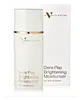 Key Ingredients
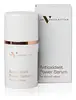
Benefits
Concerns
No concerns
Ingredients Side-by-side
Water
Skin ConditioningCetearyl Alcohol
Emollient




Paraffinum Liquidum
Emollient
Dimethicone
Emollient

Caprylic/Capric Triglyceride
Masking

Glycerin
Humectant
Glyceryl Stearate
Emollient
Butyrospermum Parkii Butter
Skin Conditioning
Niacinamide
Smoothing









Ceteareth-12
EmulsifyingCeteareth-20
CleansingTocopheryl Acetate
Antioxidant

Urea
Buffering
Panthenol
Skin Conditioning
Buddleja Davidii Leaf Cell Culture Extract
Skin ConditioningCeramide NP
Skin Conditioning
Acetyl Hexapeptide-49
Skin Conditioning
Palmitoyl Tripeptide-8
Skin Conditioning
Alaria Esculenta Extract
Skin ProtectingDipotassium Glycyrrhizate
Humectant
Poria Cocos Sclerotium Extract
AstringentPortulaca Oleracea Extract
Skin Conditioning
Aloe Barbadensis Leaf Juice Powder
Skin Conditioning
Olive Glycerides
Emulsifying
Polysorbate 20
Emulsifying
Cetyl Palmitate
Emollient
Butylene Glycol
Humectant
PEG-8
HumectantXanthan Gum
EmulsifyingLactic Acid
Buffering


Pantolactone
Humectant
Carbomer
Emulsion StabilisingPolyacrylate Crosspolymer-6
Emulsion StabilisingPhenoxyethanol
Preservative
Methylparaben
Preservative

Caprylyl Glycol
Emollient
Citric Acid
Buffering
Ethylhexylglycerin
Skin ConditioningPropylparaben
Preservative
Water, Cetearyl Alcohol, Paraffinum Liquidum, Dimethicone, Caprylic/Capric Triglyceride, Glycerin, Glyceryl Stearate, Butyrospermum Parkii Butter, Niacinamide, Ceteareth-12, Ceteareth-20, Tocopheryl Acetate, Urea, Panthenol, Buddleja Davidii Leaf Cell Culture Extract, Ceramide NP, Acetyl Hexapeptide-49, Palmitoyl Tripeptide-8, Alaria Esculenta Extract, Dipotassium Glycyrrhizate, Poria Cocos Sclerotium Extract, Portulaca Oleracea Extract, Aloe Barbadensis Leaf Juice Powder, Olive Glycerides, Polysorbate 20, Cetyl Palmitate, Butylene Glycol, PEG-8, Xanthan Gum, Lactic Acid, Pantolactone, Carbomer, Polyacrylate Crosspolymer-6, Phenoxyethanol, Methylparaben, Caprylyl Glycol, Citric Acid, Ethylhexylglycerin, Propylparaben


Ingredients Explained
These ingredients are found in both products.
Ingredients higher up in an ingredient list are typically present in a larger amount.
Dimethicone is a type of synthetic silicone created from natural materials such as quartz. It is also known as polydimethylsiloxane.
What it does:
Dimethicone comes in different viscosities:
Depending on the viscosity, dimethicone has different properties.
Ingredients lists don't always show which type is used, so we recommend reaching out to the brand if you have questions about the viscosity.
This ingredient is unlikely to cause irritation because it does not get absorbed into skin. However, people with silicone allergies should be careful about using this ingredient.
Note: Dimethicone may contribute to pilling. This is because it is not oil or water soluble, so pilling may occur when layered with products. When mixed with heavy oils in a formula, the outcome is also quite greasy.
Learn more about DimethiconeGlycerin (or glycerol) is a compound naturally found in your skin. It's a powerhouse humectant that pulls water into the stratum corneum.
Topically, glycerin does several things at once:
Your skin makes glycerin on its own (mostly from sebaceous oil breakdown) and shuttles it to your outermost layer of skin, or your epidermis, via aquaporin-3.
Aquaporin-3 is a transporter that is essential for normal skin hydration, elasticity, and repair. Interestingly, mice lacking in AQP3 have dry and less elastic skin that can be fully corrected with glycerin.
This ingredient is non-irritating, plays well with almost every ingredient, and works across all skin types. Typical use is anywhere between 3-10% but can go up to 79% in some leave-on products.
Just know very high concentrations (>40%) can feel tacky in low humidity.
Glycerin is the name for this ingredient in American English. British English uses Glycerol/Glycerine.
Learn more about GlycerinPolysorbate 20 is a gentle, water-soluble emulsifier and mild surfactant. It stops oil and water from separating to keep your formulas blended and stable.
It also acts as a mild penetration enhancer by helping active ingredients absorb slightly better.
The common safety discussion around this ingredient involves a manufacturing byproduct called 1,4-dioxane.
Trace amounts can form during production but the EU's Scientific Committee on Consumer Safety has concluded that levels at/below 10 ppm in finished products are safe (commercial products consistently fall within acceptable margins).
True allergic reactions are uncommon and the CIR Expert Panel has confirmed this ingredient to be safe as used in cosmetics.
Because it is derived from lauric acid, it may not be fungal acne safe.
Learn more about Polysorbate 20Tocopheryl Acetate is AKA Vitamin E. It is an antioxidant and protects your skin from free radicals. Free radicals damage the skin by breaking down collagen.
One study found using Tocopheryl Acetate with Vitamin C decreased the number of sunburned cells.
Tocopheryl Acetate is commonly found in both skincare and dietary supplements.
Learn more about Tocopheryl Acetate
