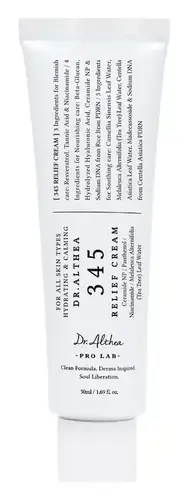
This barrier-repair moisturizer is formulated around Trehalose and Panthenol to strengthen the skin barrier and hydrate skin.
This calming moisturizer is formulated around Squalane and Glycyrrhetinic Acid to calm redness and strengthen the skin barrier.


What's inside
What's inside
 Key Ingredients
Benefits
Concerns
No concerns
Ingredients Side-by-side
Water
Skin ConditioningTrehalose
Humectant


Propanediol
Solvent
Glycerin
Humectant
Sodium Acrylate/Sodium Acryloyldimethyl Taurate Copolymer
Emulsion StabilisingPanthenol
Skin Conditioning

1,2-Hexanediol
Skin Conditioning
Ceramide NP
Skin Conditioning
Ceramide AP
Skin Conditioning
Phytosphingosine
Skin Conditioning
Cholesterol
Emollient
Ceramide EOP
Skin Conditioning
C15-19 Alkane
SolventLauryl Glucoside
CleansingTrisodium Ethylenediamine Disuccinate
ChelatingSodium Lauroyl Lactylate
EmulsifyingXanthan Gum
EmulsifyingCarbomer
Emulsion StabilisingPhenoxyethanol
Preservative
Ethylhexylglycerin
Skin ConditioningCitric Acid
Buffering


Water, Trehalose, Propanediol, Glycerin, Sodium Acrylate/Sodium Acryloyldimethyl Taurate Copolymer, Panthenol, 1,2-Hexanediol, Ceramide NP, Ceramide AP, Phytosphingosine, Cholesterol, Ceramide EOP, C15-19 Alkane, Lauryl Glucoside, Trisodium Ethylenediamine Disuccinate, Sodium Lauroyl Lactylate, Xanthan Gum, Carbomer, Phenoxyethanol, Ethylhexylglycerin, Citric Acid
Water
Skin ConditioningGlycerin
Humectant
C15-19 Alkane
SolventC10-18 Triglycerides
Emollient
Dipropylene Glycol
HumectantGlyceryl Stearate Citrate
Emollient
Helianthus Annuus Seed Wax
Skin Conditioning
Pentylene Glycol
Skin Conditioning
Squalane
Emollient
Sucrose Stearate
EmollientCorn Starch Modified
AbsorbentCocos Nucifera Oil
Masking





Maltooligosyl Glucoside
Skin ConditioningGlyceryl Caprylate/Caprate
EmollientSclerotium Gum
Emulsion StabilisingGlycyrrhetinic Acid
Skin Conditioning
Hydrogenated Starch Hydrolysate
HumectantXanthan Gum
Emulsifying1-Methylhydantoin-2-Imide
Skin ConditioningPhytosphingosine
Skin Conditioning
Sodium Citrate
BufferingCitric Acid
Buffering
Mannitol
Humectant
Xylitol
Humectant
O-Cymen-5-Ol
Antimicrobial
Benzotriazolyl Dodecyl P-Cresol
UV AbsorberRhamnose
HumectantTocopherol
Antioxidant


Helianthus Annuus Seed Oil
Emollient
Water, Glycerin, C15-19 Alkane, C10-18 Triglycerides, Dipropylene Glycol, Glyceryl Stearate Citrate, Helianthus Annuus Seed Wax, Pentylene Glycol, Squalane, Sucrose Stearate, Corn Starch Modified, Cocos Nucifera Oil, Maltooligosyl Glucoside, Glyceryl Caprylate/Caprate, Sclerotium Gum, Glycyrrhetinic Acid, Hydrogenated Starch Hydrolysate, Xanthan Gum, 1-Methylhydantoin-2-Imide, Phytosphingosine, Sodium Citrate, Citric Acid, Mannitol, Xylitol, O-Cymen-5-Ol, Benzotriazolyl Dodecyl P-Cresol, Rhamnose, Tocopherol, Helianthus Annuus Seed Oil
Reviews
Ingredients Explained
These ingredients are found in both products.
Ingredients higher up in an ingredient list are typically present in a larger amount.
C15-19 alkane is a mixture of alkanes. Alkanes are hydrocarbons with carbon atoms held together by single bonds.
It is a synthetically created solvent and emollient often used to replace silicones or mineral oil. As an emollient, C15-19 Alkane helps soften and soothe the skin. Emollients create a barrier to trap moisture inside.
You'll often see this ingredient used with mineral UV filters such as titanium dioxidide and zinc oxide. It helps these UV filter ingredients be more spreadable.
This ingredient is biodegradable. According to a manufacturer, it is also known as Hydrogenated Polyfarnesene.
Learn more about C15-19 AlkaneCitric Acid is an alpha hydroxy acid (AHA) naturally found in citrus fruits like oranges, lemons, and limes.
Like other AHAs, citric acid can exfoliate skin by breaking down the bonds that hold dead skin cells together. This helps reveal smoother and brighter skin underneath.
However, this exfoliating effect only happens at high concentrations (20%) which can be hard to find in cosmetic products.
Due to this, citric acid is usually included in small amounts as a pH adjuster. This helps keep products slightly more acidic and compatible with skin's natural pH.
In skincare formulas, citric acid can:
While it can provide some skin benefits, research shows lactic acid and glycolic acid are generally more effective and less irritating exfoliants.
Most citric acid used in skincare today is made by fermenting sugars (usually from molasses). This synthetic version is identical to the natural citrus form but easier to stabilize and use in formulations.
Rosacea skin has a lower threshold for acids generally, with 62.5% of rosacea subjects in one study reacting to lactic acid in a sting test. This is why we mark citric acid as a potential rosacea trigger.
However, this ingredient shows up as a pH adjuster or chelator at roughly 0.1-1% in many products. These low levels are unlikely to be an issue for rosacea skin and becomes a potential trigger at exfoliating concentrations (20%). Because everybody's skin is unique, we recommend a patch test if you are unsure.
Learn more about Citric AcidGlycerin (or glycerol) is a compound naturally found in your skin. It's a powerhouse humectant that pulls water into the stratum corneum.
Topically, glycerin does several things at once:
Your skin makes glycerin on its own (mostly from sebaceous oil breakdown) and shuttles it to your outermost layer of skin, or your epidermis, via aquaporin-3.
Aquaporin-3 is a transporter that is essential for normal skin hydration, elasticity, and repair. Interestingly, mice lacking in AQP3 have dry and less elastic skin that can be fully corrected with glycerin.
This ingredient is non-irritating, plays well with almost every ingredient, and works across all skin types. Typical use is anywhere between 3-10% but can go up to 79% in some leave-on products.
Just know very high concentrations (>40%) can feel tacky in low humidity.
Glycerin is the name for this ingredient in American English. British English uses Glycerol/Glycerine.
Learn more about GlycerinPhytosphingosine is a phospholipid naturally found in our skin as a building block for ceramides.. It helps moisturize, soothe, and protect skin.
Phytosphingosine contributes to your skin's natural moisturizing factor (NMF). The NMF is responsible for hydration, a strong barrier, and plasticity. Our NMF decreases with age. Increasing NMF leads to more healthy and hydrated skin.
Studies show products formulated with NMF ingredients help strengthen our skin's barrier. Having a healthy skin barrier reduces irritation and increases hydration. Our skin barrier is responsible for having plump and firm skin. It also helps protect our skin against infection, allergies, and inflammation.
Fun fact: Phytosphingosine is abundant in plants and fungi.
More ingredients that help boost collagen in skin:
Learn more about PhytosphingosineWater. It's the most common cosmetic ingredient of all. You'll usually see it at the top of ingredient lists, meaning that it makes up the largest part of the product.
So why is it so popular? Water most often acts as a solvent - this means that it helps dissolve other ingredients into the formulation.
You'll also recognize water as that liquid we all need to stay alive. If you see this, drink a glass of water. Remember to stay hydrated!
Learn more about WaterXanthan gum is used as a stabilizer and thickener within cosmetic products. It helps give products a sticky, thick feeling - preventing them from being too runny.
On the technical side of things, xanthan gum is a polysaccharide - a combination consisting of multiple sugar molecules bonded together.
Xanthan gum is a pretty common and great ingredient. It is a natural, non-toxic, non-irritating ingredient that is also commonly used in food products.
Learn more about Xanthan Gum