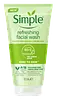
This mild gel cleanser is made to cleanse without leaving your skin tight or dry.
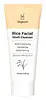
This mild gel cleanser is made to cleanse while calming and soothing your skin.


What's inside
What's inside
 Key Ingredients
Benefits
Concerns
Ingredients Side-by-side
Water
Skin ConditioningCocamidopropyl Betaine
Cleansing



Propylene Glycol
Humectant
Hydroxypropyl Methylcellulose
Emulsion StabilisingPanthenol
Skin Conditioning



Sodium Chloride
MaskingPhenoxyethanol
Preservative
Sodium Benzoate
Masking
Disodium EDTA
ChelatingSodium Hydroxide
BufferingHydroxypropyl Cyclodextrin
MaskingPantolactone
Humectant
Tocopheryl Acetate
Antioxidant


Glycerin
Humectant
Iodopropynyl Butylcarbamate
Preservative
Citric Acid
Buffering
Oryza Sativa Extract 74.96%
Absorbent

Water
Skin ConditioningCoco-Betaine
Cleansing
Sodium Lauroyl Methyl Isethionate
Cleansing1,2-Hexanediol
Skin Conditioning
Arginine
Masking
Sodium Chloride
MaskingBetaine
Humectant
Acrylates/C10-30 Alkyl Acrylate Crosspolymer
Emulsion StabilisingHydroxyacetophenone
Antioxidant
Sodium Methyl Isethionate
EmulsifyingLauric Acid
Cleansing


Ethylhexylglycerin
Skin ConditioningCentella Asiatica Extract
Cleansing
Sodium Laurate
CleansingAllantoin
Skin Conditioning
Pentylene Glycol
Skin Conditioning
Pyrus Communis Fruit Extract
Skin ConditioningDisodium EDTA
ChelatingDecyl Glucoside
Cleansing
Polyglyceryl-10 Laurate
Skin Conditioning
Rosa Damascena Flower Water
Masking
Prunus Persica Fruit Extract
Abrasive
Hedera Helix Leaf/Stem Extract
AntimicrobialLactobacillus/Rice Ferment
Skin Conditioning
Oryza Sativa Bran Water
Masking
Pimpinella Anisum Fruit Extract
MaskingVanilla Planifolia Fruit Extract
Skin Conditioning
Cucumis Melo Seed Extract
Skin ConditioningAvena Sativa Kernel Extract
Abrasive
Polyglyceryl-10 Stearate
Skin Conditioning
Ceramide NP
Skin Conditioning
Oryza Sativa Extract 74.96%, Water, Coco-Betaine, Sodium Lauroyl Methyl Isethionate, 1,2-Hexanediol, Arginine, Sodium Chloride, Betaine, Acrylates/C10-30 Alkyl Acrylate Crosspolymer, Hydroxyacetophenone, Sodium Methyl Isethionate, Lauric Acid, Ethylhexylglycerin, Centella Asiatica Extract, Sodium Laurate, Allantoin, Pentylene Glycol, Pyrus Communis Fruit Extract, Disodium EDTA, Decyl Glucoside, Polyglyceryl-10 Laurate, Rosa Damascena Flower Water, Prunus Persica Fruit Extract, Hedera Helix Leaf/Stem Extract, Lactobacillus/Rice Ferment, Oryza Sativa Bran Water, Pimpinella Anisum Fruit Extract, Vanilla Planifolia Fruit Extract, Cucumis Melo Seed Extract, Avena Sativa Kernel Extract, Polyglyceryl-10 Stearate, Ceramide NP
Reviews
Ingredients Explained
These ingredients are found in both products.
Ingredients higher up in an ingredient list are typically present in a larger amount.
Disodium EDTA is a chelating agent. It grabs onto and deactivates metal ions that sneak into your products from water, packaging, or air.
This ingredient mainly works behind the scenes and helps with:
On top of that, this ingredient can counteract the effects of hard water by binding to the minerals in it.
One thing worth knowing is that Disodium EDTA has been shown to be a mild penetration enhancer. It can help other ingredients absorb into skin more effectively which can be a double-edged sword (great for actives, but can also make the active too strong if you have sensitive skin).
Clinical patch testing showed no significant skin irritation at typical use concentrations and minimal dermal absorption.
You'll most likely see this ingredient near the end of an ingredient list. It's typically found in concentrations less than 1%.
Learn more about Disodium EDTAChances are, you eat sodium chloride every day. Sodium Chloride is also known as table salt. This ingredient has many purposes in skincare: thickener, emulsifier, and exfoliator.
You'll most likely find this ingredient in cleansers where it is used to create a gel-like texture. As an emulsifier, it also prevents ingredients from separating.
You might see people debate whether Sodium Chloride is comedogenic, but there actually haven't been any comedogenic tests done on it. Either way, the overall formulation of a product matters a lot more than any single ingredient.
You might see this ingredient used in scrubs as a primary exfoliating ingredient.
Learn more about Sodium ChlorideWater. It's the most common cosmetic ingredient of all. You'll usually see it at the top of ingredient lists, meaning that it makes up the largest part of the product.
So why is it so popular? Water most often acts as a solvent - this means that it helps dissolve other ingredients into the formulation.
You'll also recognize water as that liquid we all need to stay alive. If you see this, drink a glass of water. Remember to stay hydrated!
Learn more about Water

