
What's inside
What's inside
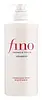 Benefits
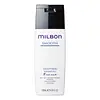
Concerns
Ingredients Side-by-side
Water
Skin ConditioningSodium Laureth Sulfate
Cleansing



Sodium Cocoamphoacetate
CleansingSodium Methyl Cocoyl Taurate
Cleansing
Dipropylene Glycol
HumectantGlycol Distearate
Emollient

Cocamide Mea
Emulsifying
Sorbitol
Humectant

Dimethicone
Emollient

Sodium Chloride
MaskingPCA
Humectant
Hydrolyzed Wheat Protein
Skin ConditioningPolyquaternium-64
Hydrolyzed Silk Gland Powder
HumectantRoyal Jelly Extract
Skin Conditioning
Citric Acid
Buffering

Cassia Hydroxypropyltrimonium Chloride
Sodium Methyl Lauroyl Taurate
CleansingSodium Edtmp
ChelatingButylene Glycol
Humectant
Potassium Sorbate
Preservative
Sodium Benzoate
Masking
Phenoxyethanol
Preservative
Sodium Paraben
Preservative
Parfum
Masking

Water, Sodium Laureth Sulfate, Sodium Cocoamphoacetate, Sodium Methyl Cocoyl Taurate, Dipropylene Glycol, Glycol Distearate, Cocamide Mea, Sorbitol, Dimethicone, Sodium Chloride, PCA, Hydrolyzed Wheat Protein, Polyquaternium-64, Hydrolyzed Silk Gland Powder, Royal Jelly Extract, Citric Acid, Cassia Hydroxypropyltrimonium Chloride, Sodium Methyl Lauroyl Taurate, Sodium Edtmp, Butylene Glycol, Potassium Sorbate, Sodium Benzoate, Phenoxyethanol, Sodium Paraben, Parfum
Water
Skin ConditioningSodium Laureth Sulfate
Cleansing
Dipropylene Glycol
HumectantIsostearamidopropyl Betaine
CleansingSodium C14-16 Olefin Sulfonate
Cleansing
Sodium Laureth-6 Carboxylate
CleansingCocamidopropyl Betaine
Cleansing
Cocamide Methyl Mea
Foam Boosting
Sodium Lauroyl Aspartate
CleansingIsostearoyl Hydrolyzed Silk
Skin ConditioningSqualane
Emollient
Hydroxypropyltrimonium Hydrolyzed Silk
Skin ConditioningSaxifraga Sarmentosa Extract
Skin ConditioningSodium Dilauramidoglutamide Lysine
HumectantDipotassium Glycyrrhizate
Humectant

Disodium Succinoyl Glycyrrhetinate
Foam BoostingPolianthes Tuberosa Polysaccharide
Skin ConditioningIsostearic Acid
Cleansing
PCA Ethyl Cocoyl Arginate
Moisturising
PEG-40 Hydrogenated Castor Oil PCA Isostearate
Skin Conditioning
Polyquaternium-52
Polyquaternium-10
Laureth-16
EmulsifyingSodium Chloride
MaskingMalic Acid
Buffering

Butylene Glycol
Humectant
Glycerin
Humectant
1,2-Hexanediol
Skin Conditioning
Caprylyl Glycol
Emollient
Alcohol
Antimicrobial
Sodium Hydroxide
BufferingParfum
Masking
Benzyl Benzoate
Antimicrobial
Limonene
Perfuming
Linalool
Perfuming
Water, Sodium Laureth Sulfate, Dipropylene Glycol, Isostearamidopropyl Betaine, Sodium C14-16 Olefin Sulfonate, Sodium Laureth-6 Carboxylate, Cocamidopropyl Betaine, Cocamide Methyl Mea, Sodium Lauroyl Aspartate, Isostearoyl Hydrolyzed Silk, Squalane, Hydroxypropyltrimonium Hydrolyzed Silk, Saxifraga Sarmentosa Extract, Sodium Dilauramidoglutamide Lysine, Dipotassium Glycyrrhizate, Disodium Succinoyl Glycyrrhetinate, Polianthes Tuberosa Polysaccharide, Isostearic Acid, PCA Ethyl Cocoyl Arginate, PEG-40 Hydrogenated Castor Oil PCA Isostearate, Polyquaternium-52, Polyquaternium-10, Laureth-16, Sodium Chloride, Malic Acid, Butylene Glycol, Glycerin, 1,2-Hexanediol, Caprylyl Glycol, Alcohol, Sodium Hydroxide, Parfum, Benzyl Benzoate, Limonene, Linalool
Ingredients Explained
These ingredients are found in both products.
Ingredients higher up in an ingredient list are typically present in a larger amount.
Butylene Glycol (or BG) is used within cosmetic products for a few different reasons:
Overall, Butylene Glycol is a safe and well-rounded ingredient that works well with other ingredients.
Though this ingredient works well with most skin types, some people with sensitive skin may experience a reaction such as allergic rashes, closed comedones, or itchiness.
Learn more about Butylene GlycolDipropylene Glycol is a synthetically created humectant, stabilizer, and solvent.
This ingredient helps:
Dipropylene glycol is technically an alcohol, but it belongs to the glycol family (often considered part of the ‘good’ alcohols). This means it is hydrating and gentle on skin unlike drying solvent alcohols like denatured alcohol.
As a masking agent, Dipropylene Glycol can be used to cover the smell of other ingredients. However, it does not have a scent.
Studies show Dipropylene Glycol is considered safe to use in skincare.
Learn more about Dipropylene GlycolParfum is a catch-all term for an ingredient or more that is used to give a scent to products.
Also called "fragrance", this ingredient can be a blend of hundreds of chemicals or plant oils. This means every product with "fragrance" or "parfum" in the ingredients list is a different mixture.
For instance, Habanolide is a proprietary trade name for a specific aroma chemical. When used as a fragrance ingredient in cosmetics, most aroma chemicals fall under the broad labeling category of “FRAGRANCE” or “PARFUM” according to EU and US regulations.
The term 'parfum' or 'fragrance' is not regulated in many countries. In many cases, it is up to the brand to define this term.
For instance, many brands choose to label themselves as "fragrance-free" because they are not using synthetic fragrances. However, their products may still contain ingredients such as essential oils that are considered a fragrance by INCI standards.
One example is Calendula flower extract. Calendula is an essential oil that still imparts a scent or 'fragrance'.
Depending on the blend, the ingredients in the mixture can cause allergies and sensitivities on the skin. Some ingredients that are known EU allergens include linalool and citronellol.
Parfum can also be used to mask or cover an unpleasant scent.
The bottom line is: not all fragrances/parfum/ingredients are created equally. If you are worried about fragrances, we recommend taking a closer look at an ingredient. And of course, we always recommend speaking with a professional.
Learn more about ParfumChances are, you eat sodium chloride every day. Sodium Chloride is also known as table salt. This ingredient has many purposes in skincare: thickener, emulsifier, and exfoliator.
You'll most likely find this ingredient in cleansers where it is used to create a gel-like texture. As an emulsifier, it also prevents ingredients from separating.
You might see people debate whether Sodium Chloride is comedogenic, but there actually haven't been any comedogenic tests done on it. Either way, the overall formulation of a product matters a lot more than any single ingredient.
You might see this ingredient used in scrubs as a primary exfoliating ingredient.
Learn more about Sodium ChlorideSodium Laureth Sulfate (SLES) is a foaming, cleansing, and emulsifying ingredient. It is created from palm kernel oil or coconut oil. SLES is not the same as sodium lauryl sulfate. It is much milder and less likely to irritate.
SLES helps create foam in personal products. It also prevents ingredients from separating, helping to elongate the shelf life.
Sodium Laureth Sulfate is a type of sulfate. It can be drying. We recommend speaking with a professional about using this ingredient if you have concerns.
Learn more about Sodium Laureth SulfateWater. It's the most common cosmetic ingredient of all. You'll usually see it at the top of ingredient lists, meaning that it makes up the largest part of the product.
So why is it so popular? Water most often acts as a solvent - this means that it helps dissolve other ingredients into the formulation.
You'll also recognize water as that liquid we all need to stay alive. If you see this, drink a glass of water. Remember to stay hydrated!
Learn more about Water

