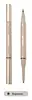
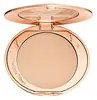
SHEGLAM Brows On Demand 2-IN-1 Brow Pencil Versus Charlotte Tilbury Airbrush Flawless Finish Setting Powder


What's inside
What's inside
 Key Ingredients
Benefits
Concerns
Ingredients Side-by-side
Hydrogenated Rapeseed Oil
Emollient


Hydrogenated Vegetable Oil
Emollient


Boron Nitride
Absorbent
Cetearyl Methicone
Skin Conditioning
Hydrogenated Palm Oil
Emollient
Synthetic Japan Wax
Emollient
Vinyl Dimethicone/Methicone Silsesquioxane Crosspolymer
C10-18 Triglycerides
Emollient
Zinc Stearate
Cosmetic ColorantTriethoxycaprylylsilane
Lecithin
Emollient
Tocopherol
Antioxidant





Ascorbyl Palmitate
Antioxidant

Glyceryl Stearate
Emollient
Glyceryl Oleate
Emollient

Citric Acid
Buffering
CI 77891
Cosmetic ColorantCI 77499
Cosmetic ColorantCI 77266
Cosmetic ColorantCI 77491
Cosmetic ColorantCI 77492
Cosmetic ColorantAcrylates Copolymer
Butylene Glycol
Humectant
Acrylates/Dimethylaminoethyl Methacrylate Copolymer
Acrylates/Ethylhexyl Acrylate Copolymer
Propylene Glycol
Humectant
Phenoxyethanol
Preservative
Caprylyl Glycol
Emollient
Sodium Dehydroacetate
Preservative
Hydroxyethylcellulose
Emulsion StabilisingPotassium Sorbate
Preservative
Hydrogenated Rapeseed Oil, Hydrogenated Vegetable Oil, Boron Nitride, Cetearyl Methicone, Hydrogenated Palm Oil, Synthetic Japan Wax, Vinyl Dimethicone/Methicone Silsesquioxane Crosspolymer, C10-18 Triglycerides, Zinc Stearate, Triethoxycaprylylsilane, Lecithin, Tocopherol, Ascorbyl Palmitate, Glyceryl Stearate, Glyceryl Oleate, Citric Acid, CI 77891, CI 77499, CI 77266, CI 77491, CI 77492, Acrylates Copolymer, Butylene Glycol, Acrylates/Dimethylaminoethyl Methacrylate Copolymer, Acrylates/Ethylhexyl Acrylate Copolymer, Propylene Glycol, Phenoxyethanol, Caprylyl Glycol, Sodium Dehydroacetate, Hydroxyethylcellulose, Potassium Sorbate
Talc
Abrasive
Mica
Cosmetic ColorantPolymethyl Methacrylate
Dimethicone
Emollient
Silica
Abrasive
Pentaerythrityl Tetraisostearate
Emollient
Cetearyl Ethylhexanoate
Emollient
Zinc Stearate
Cosmetic ColorantZea Mays Starch
Absorbent
Chlorphenesin
Antimicrobial
Potassium Sorbate
Preservative
Tocopheryl Acetate
Antioxidant
Pei-10
Propylene Glycol
Humectant
Prunus Amygdalus Dulcis Oil
Skin Conditioning
Rosa Multiflora Flower Wax
Skin ConditioningTetrasodium EDTA
ChelatingWater
Skin ConditioningDimethiconol
Emollient
Tilia Cordata Flower Extract
Skin Conditioning
Methylparaben
Preservative

Ethylparaben
Preservative
Propylparaben
Preservative
Butylparaben
Masking
CI 77891
Cosmetic ColorantIron Oxides
Talc, Mica, Polymethyl Methacrylate, Dimethicone, Silica, Pentaerythrityl Tetraisostearate, Cetearyl Ethylhexanoate, Zinc Stearate, Zea Mays Starch, Chlorphenesin, Potassium Sorbate, Tocopheryl Acetate, Pei-10, Propylene Glycol, Prunus Amygdalus Dulcis Oil, Rosa Multiflora Flower Wax, Tetrasodium EDTA, Water, Dimethiconol, Tilia Cordata Flower Extract, Methylparaben, Ethylparaben, Propylparaben, Butylparaben, CI 77891, Iron Oxides
Reviews
Ingredients Explained
These ingredients are found in both products.
Ingredients higher up in an ingredient list are typically present in a larger amount.
Ci 77891 is a white pigment from Titanium dioxide. It is naturally found in minerals such as rutile and ilmenite.
It's main function is to add a white color to cosmetics. It can also be mixed with other colors to create different shades.
Ci 77891 is commonly found in sunscreens due to its ability to block UV rays.
Learn more about CI 77891Potassium Sorbate is a preservative used to prevent yeast and mold in products. It is commonly found in both cosmetic and food products.
This ingredient comes from potassium salt derived from sorbic acid. Sorbic acid is a natural antibiotic and effective against fungus.
Both potassium sorbate and sorbic acid can be found in baked goods, cheeses, dried meats, dried fruit, ice cream, pickles, wine, yogurt, and more.
You'll often find this ingredient used with other preservatives.
Learn more about Potassium SorbatePropylene Glycol is a synthetic, colorless, odorless liquid that has been a staple in cosmetics for decades. It is a skin conditioning agent, humectant, and solvent.
As a humectant, it draw water to the skin to reduce flaking and restore suppleness. It's also a solvent that helps dissolve other actives and keeps formulas stable across temperature changes.
The CIR Expert Panel has confirmed this ingredient to be nontoxic and clinical studies show no sensitization at cosmetic use concentrations.
True allergic reactions are quite rare: a 15-year retrospective study of 6,751 patients found only 0.31% had a positive reaction (and less than half were considered clinically relevant).
It seemed that when sensitization does occur, it's most commonly linked to topical medication (like corticosteroids) and not cosmetics. Allergic contact dermatitis also appears largely limited to individuals with underlying skin conditions.
Overall, propylene glycol is a well-studied ingredient that most people can tolerate without issue.
Learn more about Propylene GlycolZinc Stearate is the metal salt of stearic acid. It is a white solid used to bind, thicken, and lubricate products.
This ingredient is common in powder makeup, where it helps keep the powder together.
Zinc Stearate is hydrophobic and repels water.
This ingredient can be sourced from non-animal or animal sources. It is best to reach out to the brand to see where they source this ingredient from.
Learn more about Zinc Stearate

