Laura Mercier Translucent Loose Setting Powder Versus Charlotte Tilbury Airbrush Flawless Finish Setting Powder


What's inside
What's inside
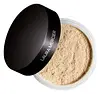 Key Ingredients
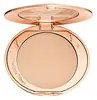
Benefits
Concerns
Ingredients Side-by-side
Talc
Abrasive
Magnesium Myristate


Nylon-12


Caprylic/Capric Triglyceride
Masking


Ethylhexyl Palmitate
Emollient


Zea Mays Starch
Absorbent
Methicone
Emollient
Lauroyl Lysine
Skin Conditioning
Polymethyl Methacrylate
Ascorbyl Palmitate
Antioxidant



Glycine Soja Oil
Emollient


Tocopherol
Antioxidant


Methylparaben
Preservative

Sodium Dehydroacetate
Preservative
Propylparaben
Preservative
Butylparaben
Masking
Iron Oxides
CI 77891
Cosmetic ColorantCI 19140
Cosmetic ColorantCI 77007
Cosmetic ColorantTalc, Magnesium Myristate, Nylon-12, Caprylic/Capric Triglyceride, Ethylhexyl Palmitate, Zea Mays Starch, Methicone, Lauroyl Lysine, Polymethyl Methacrylate, Ascorbyl Palmitate, Glycine Soja Oil, Tocopherol, Methylparaben, Sodium Dehydroacetate, Propylparaben, Butylparaben, Iron Oxides, CI 77891, CI 19140, CI 77007
Talc
Abrasive
Mica
Cosmetic ColorantPolymethyl Methacrylate
Dimethicone
Emollient
Silica
Abrasive
Pentaerythrityl Tetraisostearate
Emollient
Cetearyl Ethylhexanoate
Emollient
Zinc Stearate
Cosmetic ColorantZea Mays Starch
Absorbent
Chlorphenesin
Antimicrobial
Potassium Sorbate
Preservative
Tocopheryl Acetate
Antioxidant
Pei-10
Propylene Glycol
Humectant
Prunus Amygdalus Dulcis Oil
Skin Conditioning
Rosa Multiflora Flower Wax
Skin ConditioningTetrasodium EDTA
ChelatingWater
Skin ConditioningDimethiconol
Emollient
Tilia Cordata Flower Extract
Skin Conditioning
Methylparaben
Preservative
Ethylparaben
Preservative
Propylparaben
Preservative
Butylparaben
Masking
CI 77891
Cosmetic ColorantIron Oxides
Talc, Mica, Polymethyl Methacrylate, Dimethicone, Silica, Pentaerythrityl Tetraisostearate, Cetearyl Ethylhexanoate, Zinc Stearate, Zea Mays Starch, Chlorphenesin, Potassium Sorbate, Tocopheryl Acetate, Pei-10, Propylene Glycol, Prunus Amygdalus Dulcis Oil, Rosa Multiflora Flower Wax, Tetrasodium EDTA, Water, Dimethiconol, Tilia Cordata Flower Extract, Methylparaben, Ethylparaben, Propylparaben, Butylparaben, CI 77891, Iron Oxides
Reviews
Ingredients Explained
These ingredients are found in both products.
Ingredients higher up in an ingredient list are typically present in a larger amount.
Butylparaben is a preservative, is a paraben, and is not reef safe. It can worsen eczema.
Ci 77891 is a white pigment from Titanium dioxide. It is naturally found in minerals such as rutile and ilmenite.
It's main function is to add a white color to cosmetics. It can also be mixed with other colors to create different shades.
Ci 77891 is commonly found in sunscreens due to its ability to block UV rays.
Learn more about CI 77891Methylparaben is a synthetic preservative and one of the most widely used in the world. It has a simple, but important job: prevent your products from going bad by stopping bacteria, yeast, and mold from growing.
Typical use levels are low, often 0.1-0.3%.
This is also one of the most heavily studied preservatives out there and major regulatory bodies have repeatedly given it the green light.
In 2023, the EU's Scientific Committee on Consumer Safety (SCCS) confirmed that this ingredient is safe up to 0.4% on its own, of up to 0.8% when mixed with other paraben esters.
Here's the science behind the noise behind parabens/hormones as well:
Methylparaben shows very weak estrogen-like activity in vitro tests (more than 1,000x weaker than your body's own estradiol). In vivo (live-organism) studies don't support a meaningful endocrine-disrupting effect either.
You get a stronger estrogenic effect from eating tofu, actually.
It's also a low sensitizer and allergic reactions are uncommon; they usually happen on damage or broken skin.
There is a caveat: France has proposed to formally re-examine its endocrine classification in 2025 so the regulatory conversation isn't fully closed as of yet.
But as it stands today, this ingredient is considered safe at permitted levels.
Learn more about MethylparabenThis ingredient is also known as PMMA. It is a polymer microsphere, composed of tiny, perfectly spherical particles formed from repeating units.
In cosmetics, PMMA is mainly used to give a soft or blurring effect. The transparent particles are able to scatter light and help reduce the appearance of fine-lines and imperfections.
PMMA is also able to enhance the texture of products by add a smooth feel.
Learn more about Polymethyl MethacrylatePropylparaben is a preservative and one of the most widely used members of the paraben family (it's been used in cosmetics for over a century now).
It works by disrupting microbial cell membranes and enzymes, and is a broad-spectrum protector that works exceptionally well against molds, yeasts, and gram-positive bacteria.
You'll likely see it paired with methylparaben to cover the full range (including gram-negative bacteria).
This ingredient is effective at low concentrations (~0.2-0.5%) and stable across a wide pH range (4.5-7.5 pH). It's effectiveness drops off above pH 8 and it can lose potency when combined with non-ionic surfactants like polysorbate 80 due to micellization.
The regulatory bodies have concluded this ingredient to be safe as used in cosmetics. The EU has capped it at 0.14% and combined parabens are not to exceed 0.8%.
While parabens do cross the stratum corneum, only about 1% remains for absorption into the body. This is because most of it is metabolized within living skin.
Learn more about PropylparabenTalc is a clay mineral. It helps absorb moisture and improve the texture of products. Like other types of clay, Talc can have a slight exfoliating effect on skin. Talc can be added to increase the volume of products.
Some Baby powders are made by combining talc with corn starch. The word "talc" comes from Latin and originates from Arabic. Talc is a mineral commonly found throughout the world.
If you have any concerns about using talc, we recommend checking out the FDA's official page.
Learn more about TalcZea Mays Starch is starch made from corn. You might know this as cornstarch . It is used to thicken a product. It can replace talc as an absorbent.
The pH of cornstarch is 5.92.
Cornstarch is a common food ingredient used to thicken soups or to make corn syrup.
Learn more about Zea Mays StarchThis ingredient is a combination of red, black, and yellow iron oxide pigments. This combination of colors is usually found in foundation, because it results in a "skin" color.
The EU typically uses CI numbers for colorants when applicable, such as CI 77489. In the US, iron oxides are regulated as color additives and "iron oxides" is the most commonly used name in US cosmetic practice.
A 2021 paper looked at skincare formulations containing iron oxides and found that they reduced transmission of blue light when measured optically. In simple terms, the pigment particles helped block or scatter part of the visible light spectrum in lab testing and the authors suggest this could translate into better protection against blue-light-related skin effects.
There is also clinical and experimental research showing that tinted products containing iron oxides can reduce visible light-induced pigmentation:
Please note, whether a product reduces visible or blue light depends on things like:
In the EU's CosIng database, iron oxides are only listed as a colorant. CosIng groups ingredients by their main cosmetic role, such as colorant, preservative, or UV filter.
Though studies say iron oxides can "attenuate blue light", they're describing an optical property and not an officially recognized cosmetic function.
So CosIng isn’t contradicting the research. It’s just classifying iron oxides by what they officially are: pigments that add color.
Learn more about Iron Oxides

