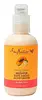
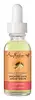
Shea Moisture Papaya & Vitamin C Brighter Days Ahead Moisturizer Versus Shea Moisture Papaya and Vitamin C Serum
This brightening moisturizer is formulated around Ascorbic Acid and Lactic Acid to brighten dull-looking skin.
This brightening serum is formulated around Tetrahexyldecyl Ascorbate and Simmondsia Chinensis Seed Oil to brighten dull-looking skin and fade the look of dark spots.

What's inside
What's inside
 Key Ingredients
Benefits
Concerns
Ingredients Side-by-side
Water
Skin ConditioningCaprylic/Capric Triglyceride
Masking


Coco-Caprylate/Caprate
Emollient
Glycerin
Humectant
Cetearyl Olivate


Cetyl Alcohol
Emollient
Butyrospermum Parkii Butter
Skin Conditioning


Sorbitan Olivate
Emulsifying
Stearyl Alcohol
Emollient
Hydrogenated Vegetable Oil
Emollient
Cetearyl Alcohol
Emollient
Glyceryl Stearate Citrate
Emollient
Citrus Aurantium Dulcis Peel Oil
Masking
Ascorbic Acid
Antioxidant





Carica Papaya Fruit Extract
Skin ConditioningCitrus Junos Fruit Extract
Skin ConditioningEclipta Prostrata Extract
Skin Conditioning
Lactic Acid
Buffering



Melia Azadirachta Leaf Extract
Skin ConditioningMoringa Oleifera Seed Oil
Emollient
Sodium Starch Octenylsuccinate
AbsorbentAllantoin
Skin Conditioning
Glycine Soja Oil
Emollient
Beta-Carotene
Skin ConditioningDaucus Carota Sativa Root Extract
Skin Conditioning
Tocopherol
Antioxidant
Mica
Cosmetic ColorantSilica
Abrasive
Titanium Dioxide
Cosmetic Colorant

Xanthan Gum
EmulsifyingGlyceryl Caprylate
EmollientTriethyl Citrate
Masking

Benzoic Acid
Masking
Water, Caprylic/Capric Triglyceride, Coco-Caprylate/Caprate, Glycerin, Cetearyl Olivate, Cetyl Alcohol, Butyrospermum Parkii Butter, Sorbitan Olivate, Stearyl Alcohol, Hydrogenated Vegetable Oil, Cetearyl Alcohol, Glyceryl Stearate Citrate, Citrus Aurantium Dulcis Peel Oil, Ascorbic Acid, Carica Papaya Fruit Extract, Citrus Junos Fruit Extract, Eclipta Prostrata Extract, Lactic Acid, Melia Azadirachta Leaf Extract, Moringa Oleifera Seed Oil, Sodium Starch Octenylsuccinate, Allantoin, Glycine Soja Oil, Beta-Carotene, Daucus Carota Sativa Root Extract, Tocopherol, Mica, Silica, Titanium Dioxide, Xanthan Gum, Glyceryl Caprylate, Triethyl Citrate, Benzoic Acid


Reviews
Ingredients Explained
These ingredients are found in both products.
Ingredients higher up in an ingredient list are typically present in a larger amount.
This ingredient is also known as shea butter. It is a plant-derived extract from the nuts of the Africa shea tree and one of the most well-studied emollients.
Because it has a high concentration of fatty acids (primarily oleic, stearic, and linoleic) it is able to form a protective barrier on the skin's surface. This helps seal in moisture and prevents transepidermal water loss (TEWL).
In vitro research found an increase in skin hydration by 58% and a decrease in TEWL by 37.8% after 24 hours of applying this ingredient (pretty impressive for a single ingredient!).
Besides hydration, shea butter also contains triterpenes that have anti-inflammatory potential. In particule, lupeol cinnamate has shown the highest anti-inflammatory activity in vivo.
Shea butter also contains vitamins A and E which may contribute to antioxidant activity.
While Shea Butter has an SPF rating of about 3-4, it is not a sunscreen replacement.
This ingredient may not be fungal acne safe because its fatty acids fall within the C11-C24 range that the Malassezia yeast can metabolize.
This ingredient shows up on a lot of "pore-clogging" lists but there's no real evidence behind that. It doesn't even have a comedogenic rating from an actual study; the numbers you'll find online come from blogs citing other blogs.
Ratings for other ingredients mostly come from a 1980s rabbit ear test. This test doesn't translate well to human skin or to real products because the ingredient sits at a much lower percentage.
Some people still find it breaks them out. So if that's you, definitely trust your skin. Just know this one's based on experience and not evidence.
Learn more about Butyrospermum Parkii ButterCarica Papaya Fruit Extract comes from the flesh of the papaya. It's a skin conditioning agent that carries a mix of bioactives like papain, beta-carotene, and vitamin C.
These bioactive compounds give it two main talking points:
1. Papain is a proteolytic enzyme that provides mild exfoliation, helping skin look smoother and more even.
2. The carotenoids and vitamin C provide some antioxidant activity.
It's pretty compatible with most ingredients, but just sure to space out enzyme products with strong acids/retinoids to avoid over-doing it.
Maximum reported concentration is around 0.1% and most leave-on products use just 0.05%. If you see higher figures like 5-10%, this is usually the pre-diluted material from raw extract suppliers.
This ingredient has an assuring safety record and there's a lack of clinical case reports of dermatitis from using it.
The only caveat is allergy: patch test if you have a papaya or latex-fruit allergy.
Learn more about Carica Papaya Fruit ExtractCitrus Aurantium Dulcis Peel Oil is oil from the peel of an orange fruit.
Limonene and linalool make up the majority of oils from citrus peels. Limonene has a "citrus" fragrance. Citrus peels also contain flavonoids, which have anti-inflammatory properties.
Citrus peel is also a rich source of flavonoids. Flavonoids are natural antioxidants and help protect your skin against damage. Flavonoids are a group of compounds naturally found in vegetables and fruits.
The term 'fragrance' is not regulated in many countries. In many cases, it is up to the brand to define this term. For instance, many brands choose to label themselves as "fragrance-free" because they are not using synthetic fragrances. However, their products may still contain ingredients such as essential oils that are considered a fragrance.
Learn more about Citrus Aurantium Dulcis Peel Oil

