

What's inside
What's inside
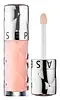 Key Ingredients
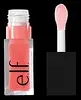
Benefits
Concerns
Ingredients Side-by-side
Polybutene
Paraffinum Liquidum
Emollient


Pentaerythrityl Tetraisostearate
Emollient

Hydrogenated Polyisobutene
EmollientSynthetic Fluorphlogopite
Silica Silylate
Emollient
CI 77891
Cosmetic ColorantMenthone Glycerin Acetal
Refreshing
Parfum
Masking


CI 77491
Cosmetic ColorantMethyl Nicotinate
SoothingRicinus Communis Seed Oil
Masking
Glycine Soja Oil
Emollient


Capsicum Frutescens Fruit Extract
Skin Conditioning
CI 42090
Cosmetic ColorantSodium Hyaluronate
Humectant



Retinyl Palmitate
Skin Conditioning


Tocopheryl Acetate
Antioxidant

Helianthus Annuus Seed Oil
Emollient
Zingiber Officinale Root Oil
Masking
Octyldodecyl Stearoyl Stearate
Emollient
Octyldodecanol
Emollient
Hydrogenated Castor Oil
Emollient
Mentha Piperita Oil
Masking

Cinnamomum Zeylanicum Bark Extract
Antimicrobial
BHT
Antioxidant
Polybutene, Paraffinum Liquidum, Pentaerythrityl Tetraisostearate, Hydrogenated Polyisobutene, Synthetic Fluorphlogopite, Silica Silylate, CI 77891, Menthone Glycerin Acetal, Parfum, CI 77491, Methyl Nicotinate, Ricinus Communis Seed Oil, Glycine Soja Oil, Capsicum Frutescens Fruit Extract, CI 42090, Sodium Hyaluronate, Retinyl Palmitate, Tocopheryl Acetate, Helianthus Annuus Seed Oil, Zingiber Officinale Root Oil, Octyldodecyl Stearoyl Stearate, Octyldodecanol, Hydrogenated Castor Oil, Mentha Piperita Oil, Cinnamomum Zeylanicum Bark Extract, BHT
Hydrogenated Polyisobutene
EmollientTridecyl Trimellitate
EmollientPolyisobutene
Phytosteryl/Octyldodecyl Lauroyl Glutamate
Skin ConditioningHydrogenated Styrene/Isoprene Copolymer
Squalane
Emollient
Prunus Armeniaca Kernel Oil
Masking
Persea Gratissima Oil
Skin Conditioning
Simmondsia Chinensis Seed Oil
Emollient
Punica Granatum Seed Oil
Emollient
Tocopheryl Acetate
Antioxidant
Parfum
Masking
Diethylhexyl Syringylidenemalonate
Skin Protecting
Phenoxyethanol
Preservative
Caprylyl Glycol
Emollient
Caprylic/Capric Triglyceride
Masking
Pentaerythrityl Tetra-Di-T-Butyl Hydroxyhydrocinnamate
Antioxidant
Tocopherol
Antioxidant
Hydrogenated Polyisobutene, Tridecyl Trimellitate, Polyisobutene, Phytosteryl/Octyldodecyl Lauroyl Glutamate, Hydrogenated Styrene/Isoprene Copolymer, Squalane, Prunus Armeniaca Kernel Oil, Persea Gratissima Oil, Simmondsia Chinensis Seed Oil, Punica Granatum Seed Oil, Tocopheryl Acetate, Parfum, Diethylhexyl Syringylidenemalonate, Phenoxyethanol, Caprylyl Glycol, Caprylic/Capric Triglyceride, Pentaerythrityl Tetra-Di-T-Butyl Hydroxyhydrocinnamate, Tocopherol
Reviews
Ingredients Explained
These ingredients are found in both products.
Ingredients higher up in an ingredient list are typically present in a larger amount.
Hydrogenated Polyisobutene is a synthetic polymer. Polymers are compounds with high molecular weight. Hydrogenated Polyisobutene is an emollient and texture enhancer.
In one study, Hydrogenated Polyisobutene showed better skin hydration levels than Caprylic/Capric Triglyceride. As an emollient, it helps keep your skin soft and hydrated by trapping moisture in.
Hydrogenated Polyisobutene is often used as a mineral oil replacement.
Learn more about Hydrogenated PolyisobuteneParfum is a catch-all term for an ingredient or more that is used to give a scent to products.
Also called "fragrance", this ingredient can be a blend of hundreds of chemicals or plant oils. This means every product with "fragrance" or "parfum" in the ingredients list is a different mixture.
For instance, Habanolide is a proprietary trade name for a specific aroma chemical. When used as a fragrance ingredient in cosmetics, most aroma chemicals fall under the broad labeling category of “FRAGRANCE” or “PARFUM” according to EU and US regulations.
The term 'parfum' or 'fragrance' is not regulated in many countries. In many cases, it is up to the brand to define this term.
For instance, many brands choose to label themselves as "fragrance-free" because they are not using synthetic fragrances. However, their products may still contain ingredients such as essential oils that are considered a fragrance by INCI standards.
One example is Calendula flower extract. Calendula is an essential oil that still imparts a scent or 'fragrance'.
Depending on the blend, the ingredients in the mixture can cause allergies and sensitivities on the skin. Some ingredients that are known EU allergens include linalool and citronellol.
Parfum can also be used to mask or cover an unpleasant scent.
The bottom line is: not all fragrances/parfum/ingredients are created equally. If you are worried about fragrances, we recommend taking a closer look at an ingredient. And of course, we always recommend speaking with a professional.
Learn more about ParfumTocopheryl Acetate is a stable, shelf-friendly form of vitamin E.
Formulators love it because plain vitamin E oxidizes quickly once it hits air. This acetate version stays stable and resists going off, helping to extend a product's shelf life.
It's actually inactive on its own and works like a slow-release "storage" form; the enzymes in your skin called esterases gradually convert it into active vitamin E over time.
One in vivo study showed 5% of the acetate in the living layer of the epidermis converted to vitamin E after 5 days of application. This study also found the skin gained protection against UV damage even though the conversion was slow and small.
Once converted, vitamin E acts as a skin's main fat-soluble antioxidant that fights free radicals to protect skin from damage.
Topical vitamin E generally boosts the skin's photoprotection, and it reduced UV-damage in animal models.
This ingredient has some brightening potential but it's more of a prevention ingredient than spot-fader. Cell studies show it can slow down melanin production but it's worth noting that it's not the most powerful brightener out there.
Overall, it has a pretty solid safety profile and has been found to be non-irritating and non-comedogenic. Allergic reactions may happen but stay rare due to how widely the ingredient gets used.
The concentration will vary depending on the formula; industry data shows 0.1% in baby lotions, 3% in lipsticks, and 5% in foot powders. You can also find this ingredient at 100% in a pure vitamin E oil.
Most leave-on skincare keeps it at the lower end, often between 0.5-1%.
Learn more about Tocopheryl Acetate

