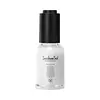
This anti-aging serum is formulated around Niacinamide and Glycolic Acid to soften the look of wrinkles and brighten dull-looking skin.
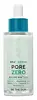
This pore-care serum is formulated around Salix Alba Bark Water and Glycolic Acid to refine the look of pores and refine skin texture.

What's inside
What's inside
 Key Ingredients
Benefits
Concerns
Ingredients Side-by-side
Water
Skin ConditioningButylene Glycol
Humectant

Butylene Glycol Dicaprylate/Dicaprate
EmollientPropanediol
Solvent
1,2-Hexanediol
Skin Conditioning
Niacinamide
Smoothing










Hydrogenated Polydecene
EmollientGlycerin
Humectant
Amylopectin
Dimethicone
Emollient
Lauryl Glucoside
CleansingPolyglyceryl-6 Laurate
Emulsifying

Ammonium Acryloyldimethyltaurate/Vp Copolymer
Xylitol
Humectant
Myristyl Glucoside
CleansingArginine
Masking
Carbomer
Emulsion StabilisingSaccharomyces/Rice Ferment Filtrate
Skin Conditioning
Allantoin
Skin Conditioning
Adenosine
Skin Conditioning
Parfum
Masking



Disodium EDTA
ChelatingGlycolic Acid
Buffering

Citric Acid
Buffering
Pentylene Glycol
Skin Conditioning
Glutathione
Bakuchiol
Antimicrobial

Salix Alba Bark Extract
Astringent
Salicylic Acid
Masking


Tromethamine
BufferingGlycolipids
Skin ConditioningPinus Palustris Leaf Extract
TonicUlmus Davidiana Root Extract
Skin Conditioning
Oenothera Biennis Flower Extract
AstringentPueraria Lobata Root Extract
HumectantWater, Butylene Glycol, Butylene Glycol Dicaprylate/Dicaprate, Propanediol, 1,2-Hexanediol, Niacinamide, Hydrogenated Polydecene, Glycerin, Amylopectin, Dimethicone, Lauryl Glucoside, Polyglyceryl-6 Laurate, Ammonium Acryloyldimethyltaurate/Vp Copolymer, Xylitol, Myristyl Glucoside, Arginine, Carbomer, Saccharomyces/Rice Ferment Filtrate, Allantoin, Adenosine, Parfum, Disodium EDTA, Glycolic Acid, Citric Acid, Pentylene Glycol, Glutathione, Bakuchiol, Salix Alba Bark Extract, Salicylic Acid, Tromethamine, Glycolipids, Pinus Palustris Leaf Extract, Ulmus Davidiana Root Extract, Oenothera Biennis Flower Extract, Pueraria Lobata Root Extract
Water
Skin ConditioningButylene Glycol
Humectant
Butylene Glycol Dicaprylate/Dicaprate
EmollientPropanediol
Solvent
1,2-Hexanediol
Skin Conditioning
Hydrogenated Polydecene
EmollientGlycerin
Humectant
Salix Alba Bark Water
Astringent
Amylopectin
Dimethicone
Emollient
Lauryl Glucoside
CleansingPolyglyceryl-6 Laurate
Emulsifying
Xylitol
Humectant
Ammonium Acryloyldimethyltaurate/Vp Copolymer
Myristyl Glucoside
CleansingArginine
Masking
Carbomer
Emulsion StabilisingAllantoin
Skin Conditioning
Pentylene Glycol
Skin Conditioning
Glycolic Acid
Buffering
Disodium EDTA
ChelatingParfum
Masking
Citric Acid
Buffering
Salix Alba Bark Extract
Astringent
Salicylic Acid
Masking
Chlorophyllin-Copper Complex
Antioxidant
Tromethamine
BufferingGlycolipids
Skin ConditioningUndaria Pinnatifida Extract
Skin ConditioningMadecassoside
Antioxidant
Asiaticoside
Antioxidant
Pinus Palustris Leaf Extract
TonicUlmus Davidiana Root Extract
Skin Conditioning
Oenothera Biennis Flower Extract
AstringentPueraria Lobata Root Extract
HumectantAsiatic Acid
Skin Conditioning
Madecassic Acid
Skin Conditioning
Water, Butylene Glycol, Butylene Glycol Dicaprylate/Dicaprate, Propanediol, 1,2-Hexanediol, Hydrogenated Polydecene, Glycerin, Salix Alba Bark Water, Amylopectin, Dimethicone, Lauryl Glucoside, Polyglyceryl-6 Laurate, Xylitol, Ammonium Acryloyldimethyltaurate/Vp Copolymer, Myristyl Glucoside, Arginine, Carbomer, Allantoin, Pentylene Glycol, Glycolic Acid, Disodium EDTA, Parfum, Citric Acid, Salix Alba Bark Extract, Salicylic Acid, Chlorophyllin-Copper Complex, Tromethamine, Glycolipids, Undaria Pinnatifida Extract, Madecassoside, Asiaticoside, Pinus Palustris Leaf Extract, Ulmus Davidiana Root Extract, Oenothera Biennis Flower Extract, Pueraria Lobata Root Extract, Asiatic Acid, Madecassic Acid
Ingredients Explained
These ingredients are found in both products.
Ingredients higher up in an ingredient list are typically present in a larger amount.
1,2-Hexanediol is a synthetic liquid and another multi-functional powerhouse.
It is a:
- Humectant, drawing moisture into the skin
- Emollient, helping to soften skin
- Solvent, dispersing and stabilizing formulas
- Preservative booster, enhancing the antimicrobial activity of other preservatives
Allantoin is a soothing ingredient known for its protective and moisturizing properties; it's basically a quiet workhorse ingredient you can find in a huge range of cosmetics.
Though it can be derived from the comfrey plant, allantoin is produced synthetically for cosmetic products to ensure purity.
Research shows it can encourage your skin cells to turn over and renew by stimulating keratinocyte and fibroblast proliferation.
It also has mild keratolytic properties to help loosen and shed dead skin cells without being harsh.
Studies also suggest allantoin can help calm inflammation by dialing down some of the chemical signals your skin sends out when it is irritated.
This ingredient is typically used in the 0.1-0.5% range, and the FDA recognizes it as a skin protectant in OTC products up to 2%.
Overall, allantoin is a wonderful addition to most routines; it is stable across a wide pH range (~4-8), works well with other ingredients, and is considered non-sensitizing/non-irritating.
Fun fact: Allantoin is naturally occurring in comfrey root, beets, chamomile, and wheat sprouts. Our bodies even produce it as a byproduct of uric acid metabolism.
Learn more about AllantoinAmmonium Acryloyldimethyltaurate/Vp Copolymer is a synthetically created polymer. It's used as a film-forming agent and used to thicken the consistency of products.
Think of it as a supportive ingredient that helps your gel-creams feel silky, "cloud cream-like", and spread evenly without being greasy.
The Cosmetic Ingredient Review (CIR) Expert Panel evaluated it (along with 22 other acryloyldimethyltaurate polymers) and concluded it's:
Due to its large molecular size, it sits on the surface of skin rather than penetrating it.
Learn more about Ammonium Acryloyldimethyltaurate/Vp CopolymerWe don't have a description for Amylopectin yet.
Arginine is a semi-essential amino acid. This just means our bodies can product a bit on its own, but sometimes needs a little boost from food sources.
It is a part of your skin's natural moisturizing factor (NMF), or the water-loving molecules in your outermost layer of skin (stratum corneum) that keeps everything hydrated and happy.
Here's an interesting thing about Arginine: your skin converts it into urea through the Krebs-Henseleit urea cycle. Urea is one of the most effective humectants your skin naturally produces.
A clinical study showed applying 2.5% arginine hydrochloride to atopic dermatitis skin showed significant urea levels in the stratum corneum and improved moisture in just four weeks.
Arginine is also a precursor to nitric oxide; nitric oxide improves microcirculation and supports wound healing and collagen synthesis.
One study found that an amino acid complex containing Arginine reduced skin irritation, improved hydration, and accelerated skin repair in clinical / in-vivo studies.
Arginine itself is an amino acid and not a fatty acid, oil, or ester. On its own, it's not a direct food source for Malassezia, or the yeast that causes fungal acne.
Learn more about ArginineButylene Glycol (or BG) is used within cosmetic products for a few different reasons:
Overall, Butylene Glycol is a safe and well-rounded ingredient that works well with other ingredients.
Though this ingredient works well with most skin types, some people with sensitive skin may experience a reaction such as allergic rashes, closed comedones, or itchiness.
Learn more about Butylene GlycolThis is a lightweight diester (caprylic/capric acid + butylene glycol) with emollient and skin conditioning properties.
According to a manufacturer, this ingredient can help add a "cushiony" oil phase without making it heavy.
Carbomer is a synthetic thickening and gelling agent. It's basically the ingredient that gives a lot of serums, gels, creams, and sunscreens their smooth, non-sticky texture.
Although legally permitted at very high levels, carbomers are normally used at concentrations below 1%.
It also needs to be neutralized to actually thicken, and because it is a large molecule, it doesn't really penetrate the skin barrier.
Allergy-wise, the risk is very low. Clinical studies show carbomers have low potential for skin irritation/sensitization even at concentrations up to 100%.
A 2024 UK study patch-tested 1,302 patients and found true allergy to the parent group of carbomer to be rare with no confirmed relevant reactions.
Learn more about CarbomerCitric Acid is an alpha hydroxy acid (AHA) naturally found in citrus fruits like oranges, lemons, and limes.
Like other AHAs, citric acid can exfoliate skin by breaking down the bonds that hold dead skin cells together. This helps reveal smoother and brighter skin underneath.
However, this exfoliating effect only happens at high concentrations (20%) which can be hard to find in cosmetic products.
Due to this, citric acid is usually included in small amounts as a pH adjuster. This helps keep products slightly more acidic and compatible with skin's natural pH.
In skincare formulas, citric acid can:
While it can provide some skin benefits, research shows lactic acid and glycolic acid are generally more effective and less irritating exfoliants.
Most citric acid used in skincare today is made by fermenting sugars (usually from molasses). This synthetic version is identical to the natural citrus form but easier to stabilize and use in formulations.
Rosacea skin has a lower threshold for acids generally, with 62.5% of rosacea subjects in one study reacting to lactic acid in a sting test. This is why we mark citric acid as a potential rosacea trigger.
However, this ingredient shows up as a pH adjuster or chelator at roughly 0.1-1% in many products. These low levels are unlikely to be an issue for rosacea skin and becomes a potential trigger at exfoliating concentrations (20%). Because everybody's skin is unique, we recommend a patch test if you are unsure.
Learn more about Citric AcidDimethicone is a type of synthetic silicone created from natural materials such as quartz. It is also known as polydimethylsiloxane.
What it does:
Dimethicone comes in different viscosities:
Depending on the viscosity, dimethicone has different properties.
Ingredients lists don't always show which type is used, so we recommend reaching out to the brand if you have questions about the viscosity.
This ingredient is unlikely to cause irritation because it does not get absorbed into skin. However, people with silicone allergies should be careful about using this ingredient.
Note: Dimethicone may contribute to pilling. This is because it is not oil or water soluble, so pilling may occur when layered with products. When mixed with heavy oils in a formula, the outcome is also quite greasy.
Learn more about DimethiconeDisodium EDTA is a chelating agent. It grabs onto and deactivates metal ions that sneak into your products from water, packaging, or air.
This ingredient mainly works behind the scenes and helps with:
On top of that, this ingredient can counteract the effects of hard water by binding to the minerals in it.
One thing worth knowing is that Disodium EDTA has been shown to be a mild penetration enhancer. It can help other ingredients absorb into skin more effectively which can be a double-edged sword (great for actives, but can also make the active too strong if you have sensitive skin).
Clinical patch testing showed no significant skin irritation at typical use concentrations and minimal dermal absorption.
You'll most likely see this ingredient near the end of an ingredient list. It's typically found in concentrations less than 1%.
Learn more about Disodium EDTAGlycerin (or glycerol) is a compound naturally found in your skin. It's a powerhouse humectant that pulls water into the stratum corneum.
Topically, glycerin does several things at once:
Your skin makes glycerin on its own (mostly from sebaceous oil breakdown) and shuttles it to your outermost layer of skin, or your epidermis, via aquaporin-3.
Aquaporin-3 is a transporter that is essential for normal skin hydration, elasticity, and repair. Interestingly, mice lacking in AQP3 have dry and less elastic skin that can be fully corrected with glycerin.
This ingredient is non-irritating, plays well with almost every ingredient, and works across all skin types. Typical use is anywhere between 3-10% but can go up to 79% in some leave-on products.
Just know very high concentrations (>40%) can feel tacky in low humidity.
Glycerin is the name for this ingredient in American English. British English uses Glycerol/Glycerine.
Learn more about GlycerinGlycolic Acid is arguably the most famous alpha hydroxy acid (AHA) with tons of research backing its benefits.
It is found naturally in sugar cane but the form used in skincare is usually synthetic for purity and stability.
Glycolic acid removes the top layer of dead skin cells to allow newer and fresher ones to emerge.
AHAs work by breaking down the structural “glue” that holds old skin cells in place. When that buildup is gone, your skin can renew itself more efficiently.
Research also shows glycolic acid stimulates collagen production, helping to firm and thicken the skin over time. This is one of its biggest advantages over other AHAs.
Overall, glycolic acid helps with:
Fun fact: Glycolic acid boosts skin hydration by helping it produce molecules that increase hyaluronic acid naturally.
To work best, glycolic acid products should have a pH between 3-4 (that’s where exfoliation is most effective but still gentle on skin).
The pH and concentration of a product are key to its effectiveness:
It is normal to feel a slight stinging sensation when using glycolic acid. This usually fades as your skin adjusts.
Because glycolic acid has the smallest molecular size in the AHA family, it can penetrate deeper, which enhances its effectiveness but also makes it more likely to irritate sensitive skin.
If your skin is very sensitive or prone to rosacea, glycolic acid may be too strong; in that case, try milder options like lactic acid or a PHA instead.
Recent studies suggest glycolic acid might even help protect against UV damage. But don’t skip sunscreen! Freshly exfoliated skin is more sensitive to the sun.
Glycolic acid is a skincare superstar. It smooths, brightens, hydrates, and firms the skin. Unless you’re highly sensitive, it’s well worth adding to your routine.
Read more about some other popular AHA's here:
Learn more about Glycolic AcidGlycolipids are natural, sustainable biosurfactants. They are both surfactants (cleansing agents) and emollients.
Made from lipids and sugars, in-vitro studies show glycolipids are a gentle alternative to conventional surfactants. They also possess foaming properties to give cleaning products a nice texture.
One manufacturer study found their glycolipid also demonstrated sebum reduction and helped reduced oiliness after four weeks. This means it can also be great for scalp care.
Learn more about GlycolipidsHydrogenated Polydecene is a synthetic emollient. It forms a non-occlusive film on the skin's surface to provide a silky feel without being greasy.
In vivo studies in volunteers with atopic and dry skin showed no irritation or intolerance. The volunteers also saw a positive effect in dryness, scaling, and roughness after 28 days of use.
Concentrations up to 100% in guinea pig tests found it to be non-sensitizing and completely safe for use in cosmetics.
Learn more about Hydrogenated PolydeceneLauryl Glucoside sugar- and lipid-based cleansing agent. It is created from glucose and lauryl alcohol.
This ingredient is a surfactant, making it easier to rinse oil, dirt, and other pollutants away.
A British study found lauryl glucoside to cause skin sensitivity for some people. We recommend speaking with a professional if you have concerns.
Other names for this ingredient include "Lauryl Polyglucose", "Lauryl glycoside", and "D-Glucopyranoside".
Learn more about Lauryl GlucosideWe don't have a description for Myristyl Glucoside yet.
We don't have a description for Oenothera Biennis Flower Extract yet.
Parfum is a catch-all term for an ingredient or more that is used to give a scent to products.
Also called "fragrance", this ingredient can be a blend of hundreds of chemicals or plant oils. This means every product with "fragrance" or "parfum" in the ingredients list is a different mixture.
For instance, Habanolide is a proprietary trade name for a specific aroma chemical. When used as a fragrance ingredient in cosmetics, most aroma chemicals fall under the broad labeling category of “FRAGRANCE” or “PARFUM” according to EU and US regulations.
The term 'parfum' or 'fragrance' is not regulated in many countries. In many cases, it is up to the brand to define this term.
For instance, many brands choose to label themselves as "fragrance-free" because they are not using synthetic fragrances. However, their products may still contain ingredients such as essential oils that are considered a fragrance by INCI standards.
One example is Calendula flower extract. Calendula is an essential oil that still imparts a scent or 'fragrance'.
Depending on the blend, the ingredients in the mixture can cause allergies and sensitivities on the skin. Some ingredients that are known EU allergens include linalool and citronellol.
Parfum can also be used to mask or cover an unpleasant scent.
The bottom line is: not all fragrances/parfum/ingredients are created equally. If you are worried about fragrances, we recommend taking a closer look at an ingredient. And of course, we always recommend speaking with a professional.
Learn more about ParfumPentylene Glycol (1,2-pentanediol) is a multitasking little diol with three main roles in a formula:
Research on alkanediols (the family pentylene glycol belongs to) show they work by disrupting microbial cell membranes. This disruption helps the primary preservative system in a product work more effectively at lower doses.
On the safety side, the Cosmetic Ingredient Review Expert Panel has concluded this ingredient to be safe as used in current cosmetic practices + concentrations.
Typical use levels in a formula run about 1-5%.
Learn more about Pentylene GlycolWe don't have a description for Pinus Palustris Leaf Extract yet.
Polyglyceryl-6 Laurate isn't fungal acne safe.
Propanediol is an all-star ingredient. It softens, hydrates, and smooths the skin.
It’s often used to:
Propanediol is not likely to cause sensitivity and considered safe to use. It is derived from corn or petroleum with a clear color and no scent.
Learn more about PropanediolThis ingredient comes from the Kudzu root.
Salicylic Acid (also known as beta hydroxy acid or BHA) is a well-known ingredient for treating skin that struggles with acne and clogged pores. It exfoliates both the skin's surface and deep within the pores to help clear out buildup, control oil, and reduce inflammation.
Unlike AHAs (alpha hydroxy acids), salicylic acid is oil-soluble. This allows it to penetrate into pores which makes it especially effective for treating blackheads and preventing future breakouts.
Salicylic acid is also known for its soothing properties. It has a similar structure to aspirin and can calm inflamed or irritated skin, making it a good option for acne-prone skin that is also sensitive.
Concentrations of 0.5-2% are recognized by the U.S. FDA as an over-the-counter topical acne product.
It can cause irritation and/or dryness if one's skin already has a compromised moisture barrier, so it's best to focus on repairing that before introducing this ingredient into your routine.
While salicylic acid does not increase sun sensitivity, it’s still important to wear sunscreen daily to protect your skin.
If you are looking for the ingredient called BHA or Butylated Hydroxyanisole, click here.
Learn more about Salicylic AcidSalix Alba Bark Extract comes from the bark of the white willow tree. The official CosIng listing states this ingredient to have astringent, skin conditioning, soothing, and tonic properties.
Its star compound is salicin, a natural glucoside that is chemically related to salicylic acid. That's why you'll often see it marketed as a "natural BHA alternative" but that's a bit of a stretch.
Your skin can't convert salicin to salicylic acid because it needs specific enzymes that aren't present on the skin's surface. It won't behave like true salicylic acid, especially at the concentrations used in cosmetics.
However, this ingredient has its own perks. It contains flavonoids, polyphenols, and tannins that give it proven antioxidant and soothing properties.
An 8-week clinical study found a cream with 2% of this extract improved skin microcirculation, elasticity, and dark circles. This is most likely due to its role in increasing hyaluronic acid synthesis in fibroblasts and improved vascular integrity.
Another study found a topical serum with 0.5% salicin showed improvements in visible signs of aging, hyperpigmentation, and texture.
Just be careful if you have a known aspirin/salicylate allergy and be sure to consult with a medical professional about using this ingredient if you do.
Fun fact: Willow Bark extract has been used for thousands of years and ancient civilizations used white willow to help treat pain and fevers.
Learn more about Salix Alba Bark ExtractTromethamine (aka THAM) is a synthetic amino acid that shows up in skincare as a helper ingredient.
It functions as a pH adjuster to help neutralize acidic ingredients and set a formula's pH to the right spot.
This matters a lot because a lot of actives (like vitamin C) needs a specific pH to work well and feel comfortable on skin.
Concentration use ranges from 0.1-1.0% depending on the formula.
Learn more about TromethamineThis tree is also known as the David Elm. It contains the ingredient bakuchiol.
Other great compounds found in this ingredient include galactose, glucose, and phenolics. The sugar content gives it great skin hydrating properties. Phenolics are potent antioxidants commonly found in fruits and veggies.
A 2020 study found the phenolics of this root to have an anti-inflammatory effect.
Fun fact: This ingredient is used in traditional Asian medicine.
Learn more about Ulmus Davidiana Root ExtractWater. It's the most common cosmetic ingredient of all. You'll usually see it at the top of ingredient lists, meaning that it makes up the largest part of the product.
So why is it so popular? Water most often acts as a solvent - this means that it helps dissolve other ingredients into the formulation.
You'll also recognize water as that liquid we all need to stay alive. If you see this, drink a glass of water. Remember to stay hydrated!
Learn more about WaterXylitol is a humectant and prebiotic. It can help with dry skin.
In studies, xylitol has been shown to improve dry skin. It decreased transepidermal water loss, or when water passes through the skin and evaporates. Xylitol also showed to help improve the biomechanical properties of the skin barrier.
The prebiotic property of xylitol may also help reinforce our skin's natural microbiome. Having a healthy microbiome prevents infection by bad bacteria and helps with hydration.
As a humectant, Xylitol helps draw moisture from both the air and from deeper skin layers. This helps keep skin hydrated.
Xylitol is a sugar alcohol and commonly used as a sugar substitute. It is naturally occurring in plants such as strawberries and pumpkin.
Learn more about Xylitol

