
Saturday Skin Wide Awake Brightening Eye Cream with Avocado Versus COSRX Advanced Snail 96 Mucin Power Essence
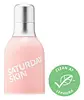
This brightening eye moisturizer is formulated around Ascorbic Acid and Sh-Oligopeptide-1 to brighten dull-looking skin.
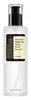
This hydrating essence is formulated around Snail Secretion Filtrate and Allantoin to hydrate skin and calm redness.

What's inside
What's inside
 Key Ingredients
Benefits
Concerns
No concerns
Ingredients Side-by-side
Water
Skin ConditioningGlycerin
Humectant


Butylene Glycol
Humectant
Cyclopentasiloxane
Emollient
Trehalose
Humectant
Pentylene Glycol
Skin Conditioning
Polyglycerin-3
Humectant
Pyrus Malus Seed Oil
Emollient
1,2-Hexanediol
Skin Conditioning
Pyrus Malus Fruit Water
MaskingCitrus Limon Peel Oil
Masking





Juniperus Mexicana Oil
Masking
Citrus Aurantium Dulcis Peel Oil
Masking
Citrus Grandis Peel Oil
Masking
Eucalyptus Globulus Leaf Oil
Perfuming
Lavandula Angustifolia Oil
Masking
Rosmarinus Officinalis Leaf Oil
Masking
Phoenix Dactylifera Seed
Skin ConditioningHydrolyzed Avocado Protein
Skin ConditioningDipentaerythrityl Hexa C5-9 Acid Esters
Skin ConditioningCyclohexasiloxane
Emollient
Glyceryl Stearate
Emollient
Hydroxyethyl Acrylate/Sodium Acryloyldimethyl Taurate Copolymer
Emulsion StabilisingPEG-100 Stearate
Surfactant
Dimethicone/Vinyl Dimethicone Crosspolymer
Skin Conditioning
Propanediol
Solvent
Acrylates/C10-30 Alkyl Acrylate Crosspolymer
Emulsion StabilisingPEG-11 Methyl Ether Dimethicone
Emulsifying
Tromethamine
BufferingPEG/PPG-19/19 Dimethicone
Emulsifying
Hydrogenated Lecithin
Emulsifying
Ascorbic Acid
Antioxidant




Cholesterol
Emollient
PEG-800
HumectantPolysorbate 20
Emulsifying
Maltodextrin
Absorbent
Saccharide Hydrolysate
HumectantPolyglutamic Acid
Skin Conditioning
Sodium Hyaluronate
Humectant
Sh-Oligopeptide-1
Skin Conditioning
Sh-Polypeptide-1
Skin Conditioning
Sh-Oligopeptide-2
Skin Conditioning
Sh-Polypeptide-22
Skin Conditioning
Sh-Polypeptide-45
Skin Conditioning
Sh-Polypeptide-8
Humectant
Sh-Polypeptide-9
Skin Conditioning
Cetearyl Alcohol
Emollient



Xanthan Gum
EmulsifyingDisodium EDTA
Water, Glycerin, Butylene Glycol, Cyclopentasiloxane, Trehalose, Pentylene Glycol, Polyglycerin-3, Pyrus Malus Seed Oil, 1,2-Hexanediol, Pyrus Malus Fruit Water, Citrus Limon Peel Oil, Juniperus Mexicana Oil, Citrus Aurantium Dulcis Peel Oil, Citrus Grandis Peel Oil, Eucalyptus Globulus Leaf Oil, Lavandula Angustifolia Oil, Rosmarinus Officinalis Leaf Oil, Phoenix Dactylifera Seed, Hydrolyzed Avocado Protein, Dipentaerythrityl Hexa C5-9 Acid Esters, Cyclohexasiloxane, Glyceryl Stearate, Hydroxyethyl Acrylate/Sodium Acryloyldimethyl Taurate Copolymer, PEG-100 Stearate, Dimethicone/Vinyl Dimethicone Crosspolymer, Propanediol, Acrylates/C10-30 Alkyl Acrylate Crosspolymer, PEG-11 Methyl Ether Dimethicone, Tromethamine, PEG/PPG-19/19 Dimethicone, Hydrogenated Lecithin, Ascorbic Acid, Cholesterol, PEG-800, Polysorbate 20, Maltodextrin, Saccharide Hydrolysate, Polyglutamic Acid, Sodium Hyaluronate, Sh-Oligopeptide-1, Sh-Polypeptide-1, Sh-Oligopeptide-2, Sh-Polypeptide-22, Sh-Polypeptide-45, Sh-Polypeptide-8, Sh-Polypeptide-9, Cetearyl Alcohol, Xanthan Gum, Disodium EDTA



Reviews
Ingredients Explained
These ingredients are found in both products.
Ingredients higher up in an ingredient list are typically present in a larger amount.
1,2-Hexanediol is a synthetic liquid and another multi-functional powerhouse.
It is a:
- Humectant, drawing moisture into the skin
- Emollient, helping to soften skin
- Solvent, dispersing and stabilizing formulas
- Preservative booster, enhancing the antimicrobial activity of other preservatives
Butylene Glycol (or BG) is used within cosmetic products for a few different reasons:
Overall, Butylene Glycol is a safe and well-rounded ingredient that works well with other ingredients.
Though this ingredient works well with most skin types, some people with sensitive skin may experience a reaction such as allergic rashes, closed comedones, or itchiness.
Learn more about Butylene GlycolSodium Hyaluronate is the salt form of hyaluronic acid. It is a long sugar chain that is naturally found in your skin, joints, and connective tissue that maintains hydration and elasticity.
In skincare, it works as a humectant. It pulls water from the environment and deeper layers of skin and binds it to the surface.
Interestingly, the size of the molecule affects its behavior:
Some clinical evidence links low molecular weight versions to improved wrinkle depth, elasticity, anti-inflammatory effects, and barrier repair.
Many serums use a blend of both weights so you can get surface hydration plus longer-lasting and deeper effects.
You'll typically see concentrations between 0.1-2% for this ingredient.
Learn more about Sodium HyaluronateWater. It's the most common cosmetic ingredient of all. You'll usually see it at the top of ingredient lists, meaning that it makes up the largest part of the product.
So why is it so popular? Water most often acts as a solvent - this means that it helps dissolve other ingredients into the formulation.
You'll also recognize water as that liquid we all need to stay alive. If you see this, drink a glass of water. Remember to stay hydrated!
Learn more about Water

