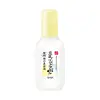
This brightening serum is formulated around Ascorbyl Glucoside and Dipotassium Glycyrrhizate to brighten dull-looking skin and fade the look of dark spots.
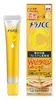
This brightening essence is formulated around Ascorbic Acid and Allantoin to brighten dull-looking skin and fade the look of dark spots.

What's inside
What's inside
 Key Ingredients
Benefits
Concerns
Ingredients Side-by-side
Ascorbyl Glucoside
Antioxidant




Dipotassium Glycyrrhizate
Humectant

Water
Skin ConditioningPropanediol
Solvent

Glycerin
Humectant
Dipropylene Glycol
HumectantButylene Glycol
Humectant
Glycosyl Trehalose
Emulsion StabilisingHydrogenated Starch Hydrolysate
HumectantPEG-120 Methyl Glucose Dioleate
Emulsifying

Alcohol
Antimicrobial



Lactobacillus/Soymilk Ferment Filtrate
Skin ConditioningPotassium Ascorbyl Tocopheryl Phosphate
Antioxidant
Tocopheryl Acetate
Antioxidant
Pyridoxine Hcl
Skin ConditioningAllantoin
Skin Conditioning
Hydrogenated Lecithin
Emulsifying
Algin
MaskingCarrageenan


Citric Acid
Buffering
Sodium Citrate
BufferingGlycine Soja Extract
Skin ConditioningHydroxyethylcellulose
Emulsion StabilisingPEG-40 Hydrogenated Castor Oil
Emulsifying
Sodium Hydroxide
BufferingPhenoxyethanol
Preservative
Ascorbyl Glucoside, Dipotassium Glycyrrhizate, Water, Propanediol, Glycerin, Dipropylene Glycol, Butylene Glycol, Glycosyl Trehalose, Hydrogenated Starch Hydrolysate, PEG-120 Methyl Glucose Dioleate, Alcohol, Lactobacillus/Soymilk Ferment Filtrate, Potassium Ascorbyl Tocopheryl Phosphate, Tocopheryl Acetate, Pyridoxine Hcl, Allantoin, Hydrogenated Lecithin, Algin, Carrageenan, Citric Acid, Sodium Citrate, Glycine Soja Extract, Hydroxyethylcellulose, PEG-40 Hydrogenated Castor Oil, Sodium Hydroxide, Phenoxyethanol
Ascorbic Acid
Antioxidant

Pyridoxine Hcl
Skin ConditioningAllantoin
Skin Conditioning
O-Cymen-5-Ol
Antimicrobial
3-O-Ethyl Ascorbic Acid
Skin Conditioning
Ascorbyl Glucoside
Antioxidant
Ascorbyl Tetraisopalmitate
Antioxidant
Tocopherol
Antioxidant
Alpinia Katsumadai Seed Extract
Skin ConditioningCitrus Limon Fruit Extract
Masking
Citrus Grandis Fruit Extract
Astringent
Serine
Masking
Butylene Glycol
Humectant
Propanediol
Solvent
Isopentyldiol
Humectant
Propylene Glycol
Humectant
PEG-8
HumectantAlcohol Denat.
Antimicrobial
Poe/Pop Decyl Tetradecyl Ether
Sodium Metabisulfite
Antioxidant
EDTA
ChelatingParfum
Masking
Ascorbic Acid, Pyridoxine Hcl, Allantoin, O-Cymen-5-Ol, 3-O-Ethyl Ascorbic Acid, Ascorbyl Glucoside, Ascorbyl Tetraisopalmitate, Tocopherol, Alpinia Katsumadai Seed Extract, Citrus Limon Fruit Extract, Citrus Grandis Fruit Extract, Serine, Butylene Glycol, Propanediol, Isopentyldiol, Propylene Glycol, PEG-8, Alcohol Denat., Poe/Pop Decyl Tetradecyl Ether, Sodium Metabisulfite, EDTA, Parfum
Reviews
Ingredients Explained
These ingredients are found in both products.
Ingredients higher up in an ingredient list are typically present in a larger amount.
Allantoin is a soothing ingredient known for its protective and moisturizing properties; it's basically a quiet workhorse ingredient you can find in a huge range of cosmetics.
Though it can be derived from the comfrey plant, allantoin is produced synthetically for cosmetic products to ensure purity.
Research shows it can encourage your skin cells to turn over and renew by stimulating keratinocyte and fibroblast proliferation.
It also has mild keratolytic properties to help loosen and shed dead skin cells without being harsh.
Studies also suggest allantoin can help calm inflammation by dialing down some of the chemical signals your skin sends out when it is irritated.
This ingredient is typically used in the 0.1-0.5% range, and the FDA recognizes it as a skin protectant in OTC products up to 2%.
Overall, allantoin is a wonderful addition to most routines; it is stable across a wide pH range (~4-8), works well with other ingredients, and is considered non-sensitizing/non-irritating.
Fun fact: Allantoin is naturally occurring in comfrey root, beets, chamomile, and wheat sprouts. Our bodies even produce it as a byproduct of uric acid metabolism.
Learn more about AllantoinAscorbyl Glucoside (AA-2G) is one of the most stable vitamin C derivatives out there.
It's made by attaching a glucose molecule to ascorbic acid; this glucose "cap" shields the vitamin C from air, light, heat, and metal ions that normally cause pure ascorbic acid to oxidize.
Once on your skin, the enzyme alpha-glucosidase snips off the glucose and gradually releases active ascorbic acid right where it's needed. Basically, it behaves like a slow-release pro-vitamin C with less of a stinging that high-strength ascorbic acid can cause.
The research supports the classic vitamin C benefits as well. In lab and human studies, AA-2G slowed down the skin's production of melanin (the pigment behind dark spots) and helped shield skin cells against sun damage better than ascorbyl phosphate.
These studies also showed AA-2G released vitamin C over a longer period.
A frequently cited manufacturer trial found that a 2% AA-2G face cream significantly improved wrinkle depth and skin roughness after 45 days.
And in 2009, a clinical trial showed it meaningfully lightened dark patches on the gums compared to a placebo.
There's also collagen-synthesis support (since vitamin C is a required cofactor for that) and an antioxidant effect too.
Typical usage is usually between 0.5-5% and most studies/products land around 2%.
AA-2G performs best when formulated at a mildly acidic pH (~5-7) which is much gentler than the pH that pure vitamin C demands (~2.5-3.5).
Just one thing worth knowing: the in-skin conversation rate is only about 55-60% by weight. So a 5% AA-2G product delivers roughly 2.75-3% of actual active vitamin C. On top of that, skin absorption is relatively low because the ingredient is water-soluble.
Learn more about Ascorbyl GlucosideButylene Glycol (or BG) is used within cosmetic products for a few different reasons:
Overall, Butylene Glycol is a safe and well-rounded ingredient that works well with other ingredients.
Though this ingredient works well with most skin types, some people with sensitive skin may experience a reaction such as allergic rashes, closed comedones, or itchiness.
Learn more about Butylene GlycolPropanediol is an all-star ingredient. It softens, hydrates, and smooths the skin.
It’s often used to:
Propanediol is not likely to cause sensitivity and considered safe to use. It is derived from corn or petroleum with a clear color and no scent.
Learn more about PropanediolPyridoxine hydrochloride, also known as vitamin B6, has skin conditioning properties. According to a manufacturer, this ingredient is an effective anti-dandruff treatment as it reduces sebum levels and oily spots.


