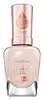
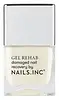
Sally Hansen Color Therapy Sheer Nail Color Versus Nails Inc. Gel Rehab Strengthening Nail Treatment


What's inside
What's inside
 Key Ingredients
Benefits
Concerns
Ingredients Side-by-side
Butyl Acetate
MaskingEthyl Acetate
Perfuming

Nitrocellulose
Acetyl Tributyl Citrate
Masking
Tosylamide/Epoxy Resin
Isopropyl Alcohol
Solvent




Styrene/Acrylates Copolymer
Stearalkonium Bentonite
Gel FormingTriphenyl Phosphate
Adipic Acid/Neopentyl Glycol/Trimellitic Anhydride Copolymer
Isosorbide Dicaprylate/Caprate
Ricinus Communis Seed Oil
Masking


Silica
Abrasive


Diacetone Alcohol
MaskingEtocrylene
UV AbsorberHexanal
MaskingKaolin
Abrasive
Water
Skin ConditioningPhosphoric Acid
BufferingArgania Spinosa Kernel Oil
Emollient


Oenothera Biennis Oil
Emollient

Euterpe Oleracea Fruit Oil
Skin Conditioning
N-Butyl Alcohol
Perfuming
Helianthus Annuus Seed Oil
Emollient
Carthamus Tinctorius Seed Oil
Masking
Butylene Glycol
Humectant
Macrocystis Pyrifera Extract
Skin Conditioning
Hydrolyzed Conchiolin Protein
Skin ConditioningTocopherol
Antioxidant



Methylparaben
Preservative


Mica
Cosmetic ColorantCI 77891
Cosmetic ColorantCI 15850
Cosmetic ColorantCI 77266
Cosmetic ColorantCI 12085
Cosmetic ColorantCI 19140
Cosmetic ColorantCI 77510
Cosmetic ColorantIron Oxides
CI 77742
Cosmetic ColorantButyl Acetate, Ethyl Acetate, Nitrocellulose, Acetyl Tributyl Citrate, Tosylamide/Epoxy Resin, Isopropyl Alcohol, Styrene/Acrylates Copolymer, Stearalkonium Bentonite, Triphenyl Phosphate, Adipic Acid/Neopentyl Glycol/Trimellitic Anhydride Copolymer, Isosorbide Dicaprylate/Caprate, Ricinus Communis Seed Oil, Silica, Diacetone Alcohol, Etocrylene, Hexanal, Kaolin, Water, Phosphoric Acid, Argania Spinosa Kernel Oil, Oenothera Biennis Oil, Euterpe Oleracea Fruit Oil, N-Butyl Alcohol, Helianthus Annuus Seed Oil, Carthamus Tinctorius Seed Oil, Butylene Glycol, Macrocystis Pyrifera Extract, Hydrolyzed Conchiolin Protein, Tocopherol, Methylparaben, Mica, CI 77891, CI 15850, CI 77266, CI 12085, CI 19140, CI 77510, Iron Oxides, CI 77742
Butyl Acetate
MaskingEthyl Acetate
Perfuming
Nitrocellulose
Acetyl Tributyl Citrate
Masking
Adipic Acid/Neopentyl Glycol/Trimellitic Anhydride Copolymer
Isopropyl Alcohol
Solvent
Stearalkonium Bentonite
Gel FormingAcrylates Copolymer
N-Butyl Alcohol
Perfuming
Styrene/Acrylates Copolymer
Silica
Abrasive
Water
Skin ConditioningBenzophenone-1
UV Absorber
Diacetone Alcohol
MaskingFluorescent Brightener 367
CI 77891
Cosmetic ColorantHexanal
MaskingPrunus Amygdalus Dulcis Oil
Skin Conditioning
Caprylic/Capric Triglyceride
Masking
Trimethylpentanediyl Dibenzoate
Adansonia Digitata Seed Oil
Emollient
Argania Spinosa Kernel Oil
Emollient
Tocopheryl Acetate
Antioxidant
Butylene Glycol
Humectant
Methylpropanediol
SolventAcrylates/Dimethicone Copolymer
Skin Conditioning
Glycerin
Humectant
Methylthiopropylamido Acetyl Methionine
Skin ProtectingLaurdimonium Hydroxypropyl Hydrolyzed Keratin
Skin ConditioningAcer Rubrum Extract
Skin ConditioningAcetyl Methionine
Skin Conditioning
Citric Acid
Buffering
Brassica Oleracea Acephala Leaf Extract
HumectantViola Odorata Extract
Skin ConditioningPhenoxyethanol
Preservative
Sodium Benzoate
Masking
Spinacia Oleracea Leaf Extract
Skin ConditioningPotassium Sorbate
Preservative
Butyl Acetate, Ethyl Acetate, Nitrocellulose, Acetyl Tributyl Citrate, Adipic Acid/Neopentyl Glycol/Trimellitic Anhydride Copolymer, Isopropyl Alcohol, Stearalkonium Bentonite, Acrylates Copolymer, N-Butyl Alcohol, Styrene/Acrylates Copolymer, Silica, Water, Benzophenone-1, Diacetone Alcohol, Fluorescent Brightener 367, CI 77891, Hexanal, Prunus Amygdalus Dulcis Oil, Caprylic/Capric Triglyceride, Trimethylpentanediyl Dibenzoate, Adansonia Digitata Seed Oil, Argania Spinosa Kernel Oil, Tocopheryl Acetate, Butylene Glycol, Methylpropanediol, Acrylates/Dimethicone Copolymer, Glycerin, Methylthiopropylamido Acetyl Methionine, Laurdimonium Hydroxypropyl Hydrolyzed Keratin, Acer Rubrum Extract, Acetyl Methionine, Citric Acid, Brassica Oleracea Acephala Leaf Extract, Viola Odorata Extract, Phenoxyethanol, Sodium Benzoate, Spinacia Oleracea Leaf Extract, Potassium Sorbate
Ingredients Explained
These ingredients are found in both products.
Ingredients higher up in an ingredient list are typically present in a larger amount.
Acetyl Tributyl Citrate is a fragrance.
We don't have a description for Adipic Acid/Neopentyl Glycol/Trimellitic Anhydride Copolymer yet.
You may know this ingredient as argan oil. It has emollient and skin conditioning properties that help soften skin and reinforce the lipid barrier.
The fatty acid profile of argan oil is roughly 45-55% oleic acid, 28-36% linoleic acid, 10-15% palmitic acid, and 5-7% stearic acid. It also contains vitamin E, sterols, squalene, and polyphenols like ferulic acid.
Two clinical studies in postmenopausal women found that applying argan oil for 60 days significantly improved skin elasticity and moisturization (reduced transepidermal water loss and increased epidermal water content).
Since it is high in oleic and linoleic acid, this ingredient may not be fungal acne safe. Both of these fall in the C11-C24 range that Malassezia yeast can metabolize.
Learn more about Argania Spinosa Kernel OilWe don't have a description for Butyl Acetate yet.
Butylene Glycol (or BG) is used within cosmetic products for a few different reasons:
Overall, Butylene Glycol is a safe and well-rounded ingredient that works well with other ingredients.
Though this ingredient works well with most skin types, some people with sensitive skin may experience a reaction such as allergic rashes, closed comedones, or itchiness.
Learn more about Butylene GlycolCi 77891 is a white pigment from Titanium dioxide. It is naturally found in minerals such as rutile and ilmenite.
It's main function is to add a white color to cosmetics. It can also be mixed with other colors to create different shades.
Ci 77891 is commonly found in sunscreens due to its ability to block UV rays.
Learn more about CI 77891We don't have a description for Diacetone Alcohol yet.
Ethyl Acetate is a fragrance.
We don't have a description for Hexanal yet.
Isopropyl Alcohol is a small, fast-evaporating alcohol.
Formulators use it as a solvent, a way to think out thick liquids, an antifoaming agent, and occasionally a fragrance ingredient.
Reported use concentrations run from 0.002%-100% and any number over 50% usually comes from a nail product.
Actual skincare numbers run much lower: cleansers (0.3-26%), toners (0.07-7%), face moisturizers (0.04-0.2%).
The Cosmetic Ingredient Review Expert Panel reviewed it and concluded it is safe in the present practices of use and the International Agency for Research on Cancer classifies it as a non-carcinogenic to humans.
True allergy to this ingredient is uncommon but real: 44 out of 1,450 patients patch tested between 1992-2011 reacted with most cases clustering in people with leg ulcers, occupational hand eczema, or repeated use of Isopropyl Alcohol on already-broken skin.
Irritation and dryness are far more likely than allergy; before you throw away your skincare, just know this is dose-dependent and the risk is modest.
The irritant potential of the alcohols used in hand antiseptics is very low and skin irritation is significantly lower after alcohol application than after detergents (though isopropanol is somewhat more irritating than ethanol).
A 70% solution was a severe eye irritant in rabbit eye tests so the industry keeps this ingredient at low percentages in eye-area products.
One genuine caution: a 70% solution was a severe eye irritant in rabbit eye tests, so it belongs at low percentages in eye-area products, which is where the industry already keeps it.
According to the National Rosacea Society based in the US, you should be mindful of products with these alcohols in the top half of ingredients.
Learn more about Isopropyl AlcoholN-Butyl Alcohol is a fragrance and is an alcohol.
We don't have a description for Nitrocellulose yet.
Silica, also known as silicon dioxide, is a naturally occurring mineral. It is used as a fine, spherical, and porous powder in cosmetics.
Though it has exfoliant properties, the function of silica varies depending on the product.
The unique structure of silica enhances the spreadability and adds smoothness, making it a great texture enhancer.
It is also used as an active carrier, emulsifier, and mattifier due to its ability to absorb excess oil.
In some products, tiny microneedles called spicules are made from silica or hydrolyzed sponge. When you rub them in, they lightly polish away dead skin layers and enhance the penetration of active ingredients.
Learn more about SilicaWe don't have a description for Stearalkonium Bentonite yet.
This ingredient is a synthetic polymer that mainly works as a film former. It creates a thin, flexible film on the surface of your skin. Once applied, it helps improves wear, durability, and resistance to water/smudging.
Due to its large molecule size, it sits on top of your skin rather than absorbing into it.
Water. It's the most common cosmetic ingredient of all. You'll usually see it at the top of ingredient lists, meaning that it makes up the largest part of the product.
So why is it so popular? Water most often acts as a solvent - this means that it helps dissolve other ingredients into the formulation.
You'll also recognize water as that liquid we all need to stay alive. If you see this, drink a glass of water. Remember to stay hydrated!
Learn more about Water

