

What's inside
What's inside
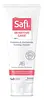 Key Ingredients
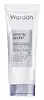
Benefits
Concerns
Ingredients Side-by-side
Water
Skin ConditioningGlycerin
Humectant


Sodium Lauryl Sulfate
Cleansing




Cocamidopropyl Betaine
Cleansing
Cocamide Methyl Mea
Surfactant
Acrylates Copolymer
Sodium Chloride
MaskingSodium Cocoamphoacetate
CleansingCitric Acid
Buffering

Sodium Hydroxide
BufferingTetrasodium EDTA
Niacinamide
Smoothing








Zinc Lactate
Alpha-Glucan Oligosaccharide
Cleansing
Polymnia Sonchifolia Root Juice
Skin ConditioningMaltodextrin
Absorbent
Salicylic Acid
Masking

Dextrin
AbsorbentPolydextrose
HumectantLactobacillus
Skin ConditioningAloe Barbadensis Leaf Extract
Emollient
Amylopectin
Phenoxyethanol
Preservative
Potassium Sorbate
Preservative
Water, Glycerin, Sodium Lauryl Sulfate, Cocamidopropyl Betaine, Cocamide Methyl Mea, Acrylates Copolymer, Sodium Chloride, Sodium Cocoamphoacetate, Citric Acid, Sodium Hydroxide, Tetrasodium EDTA, Niacinamide, Zinc Lactate, Alpha-Glucan Oligosaccharide, Polymnia Sonchifolia Root Juice, Maltodextrin, Salicylic Acid, Dextrin, Polydextrose, Lactobacillus, Aloe Barbadensis Leaf Extract, Amylopectin, Phenoxyethanol, Potassium Sorbate
Water
Skin ConditioningAcrylates Copolymer
Sodium Laureth Sulfate
Cleansing
Sodium Lauroyl Sarcosinate
CleansingCocamidopropyl Betaine
Cleansing
Potassium Cocoyl Glycinate
Surfactant
Lactic Acid
Buffering
Panthenol
Skin Conditioning
Propylene Glycol
Humectant
Sodium Chloride
MaskingParfum
Masking

DMDM Hydantoin
Preservative
Guar Hydroxypropyltrimonium Chloride
Skin ConditioningGlycolic Acid
Buffering
Salicylic Acid
Masking
Disodium EDTA
Vaccinium Myrtillus Fruit Extract
Skin ConditioningSaccharum Officinarum Extract
MoisturisingCitrus Aurantium Dulcis Fruit Extract
MaskingCitrus Medica Limonum Fruit Extract
Skin ConditioningAcer Saccharum Extract
Skin ConditioningWater, Acrylates Copolymer, Sodium Laureth Sulfate, Sodium Lauroyl Sarcosinate, Cocamidopropyl Betaine, Potassium Cocoyl Glycinate, Lactic Acid, Panthenol, Propylene Glycol, Sodium Chloride, Parfum, DMDM Hydantoin, Guar Hydroxypropyltrimonium Chloride, Glycolic Acid, Salicylic Acid, Disodium EDTA, Vaccinium Myrtillus Fruit Extract, Saccharum Officinarum Extract, Citrus Aurantium Dulcis Fruit Extract, Citrus Medica Limonum Fruit Extract, Acer Saccharum Extract
Reviews
Ingredients Explained
These ingredients are found in both products.
Ingredients higher up in an ingredient list are typically present in a larger amount.
Acrylates Copolymer is used as a film-forming agent and texture enhancer.
After applied, Acrylates Copolymer forms a thin film cover that helps skin feel more soft. It can help sunscreens become more water-resistant.
It is also used to make a product more thick.
Learn more about Acrylates CopolymerCocamidopropyl Betaine is a fatty acid created by mixing similar compounds in coconut oil and dimethylaminopropylamine, a compound with two amino groups.
This ingredient is a surfactant and cleanser. It helps gather the dirt, pollutants, and other impurities in your skin to be washed away. It also helps thicken a product and make the texture more creamy.
Being created from coconut oil means Cocamidopropyl Betaine is hydrating for the skin.
While Cocamidopropyl Betaine was believed to be an allergen, a study from 2012 disproved this. It found two compounds in unpure Cocamidopropyl Betaine to be the irritants: aminoamide and 3-dimethylaminopropylamine. High-grade and pure Cocamidopropyl Betaine did not induce allergic reactions during this study.
Learn more about Cocamidopropyl BetaineSalicylic Acid (also known as beta hydroxy acid or BHA) is a well-known ingredient for treating skin that struggles with acne and clogged pores. It exfoliates both the skin's surface and deep within the pores to help clear out buildup, control oil, and reduce inflammation.
Unlike AHAs (alpha hydroxy acids), salicylic acid is oil-soluble. This allows it to penetrate into pores which makes it especially effective for treating blackheads and preventing future breakouts.
Salicylic acid is also known for its soothing properties. It has a similar structure to aspirin and can calm inflamed or irritated skin, making it a good option for acne-prone skin that is also sensitive.
Concentrations of 0.5-2% are recognized by the U.S. FDA as an over-the-counter topical acne product.
It can cause irritation and/or dryness if one's skin already has a compromised moisture barrier, so it's best to focus on repairing that before introducing this ingredient into your routine.
While salicylic acid does not increase sun sensitivity, it’s still important to wear sunscreen daily to protect your skin.
If you are looking for the ingredient called BHA or Butylated Hydroxyanisole, click here.
Learn more about Salicylic AcidChances are, you eat sodium chloride every day. Sodium Chloride is also known as table salt. This ingredient has many purposes in skincare: thickener, emulsifier, and exfoliator.
You'll most likely find this ingredient in cleansers where it is used to create a gel-like texture. As an emulsifier, it also prevents ingredients from separating.
You might see people debate whether Sodium Chloride is comedogenic, but there actually haven't been any comedogenic tests done on it. Either way, the overall formulation of a product matters a lot more than any single ingredient.
You might see this ingredient used in scrubs as a primary exfoliating ingredient.
Learn more about Sodium ChlorideWater. It's the most common cosmetic ingredient of all. You'll usually see it at the top of ingredient lists, meaning that it makes up the largest part of the product.
So why is it so popular? Water most often acts as a solvent - this means that it helps dissolve other ingredients into the formulation.
You'll also recognize water as that liquid we all need to stay alive. If you see this, drink a glass of water. Remember to stay hydrated!
Learn more about Water

