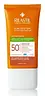
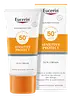
Rilastil Sun System Water Touch Matt SPF 50+ Versus Eucerin Sun Face Sensitive Protect Cream SPF 50+
This sunscreen offers SPF 50 protection with a lightweight finish.
This chemical sunscreen covers the full UV range, though its SPF isn't confirmed on file yet.


What's inside
What's inside
 Key Ingredients
Benefits
Concerns
Ingredients Side-by-side
Water
Skin ConditioningGlycerin
Humectant


Butylene Glycol
Humectant
Neopentyl Glycol Diheptanoate
EmollientIsodecyl Neopentanoate
EmollientMicrocrystalline Cellulose
Absorbent1,2-Hexanediol
Skin Conditioning
Hydroxyacetophenone
Antioxidant
Tocopheryl Acetate
Antioxidant

Tetrasodium Glutamate Diacetate
Hydroxyethyl Acrylate/Sodium Acryloyldimethyl Taurate Copolymer
Emulsion StabilisingDiethylhexyl Syringylidenemalonate
Skin Protecting
Acrylates/C10-30 Alkyl Acrylate Crosspolymer
Emulsion StabilisingSqualane
Emollient
Cellulose Gum
Emulsion StabilisingDiglycerin
Humectant
Potassium Azeloyl Diglycinate
Skin Conditioning




Polysorbate 60
Emulsifying

Caprylic/Capric Triglyceride
Masking
Pinus Pinaster Bark/Bud Extract
Antimicrobial
Sodium Hyaluronate
Humectant
Sorbitan Isostearate
Emulsifying
Artemisia Umbelliformis Extract
Skin ConditioningBuddleja Davidii Leaf Extract
Skin ConditioningPeucedanum Ostruthium Leaf Extract
Skin ConditioningSchisandra Chinensis Fruit Extract
Skin Conditioning
Sodium Hydroxide
BufferingSodium Benzoate
Masking
Potassium Sorbate
Preservative
Parfum
Masking



Water, Glycerin, Butylene Glycol, Neopentyl Glycol Diheptanoate, Isodecyl Neopentanoate, Microcrystalline Cellulose, 1,2-Hexanediol, Hydroxyacetophenone, Tocopheryl Acetate, Tetrasodium Glutamate Diacetate, Hydroxyethyl Acrylate/Sodium Acryloyldimethyl Taurate Copolymer, Diethylhexyl Syringylidenemalonate, Acrylates/C10-30 Alkyl Acrylate Crosspolymer, Squalane, Cellulose Gum, Diglycerin, Potassium Azeloyl Diglycinate, Polysorbate 60, Caprylic/Capric Triglyceride, Pinus Pinaster Bark/Bud Extract, Sodium Hyaluronate, Sorbitan Isostearate, Artemisia Umbelliformis Extract, Buddleja Davidii Leaf Extract, Peucedanum Ostruthium Leaf Extract, Schisandra Chinensis Fruit Extract, Sodium Hydroxide, Sodium Benzoate, Potassium Sorbate, Parfum
Water
Skin ConditioningDiethylamino Hydroxybenzoyl Hexyl Benzoate
UV Filter
C12-15 Alkyl Benzoate
AntimicrobialAlcohol Denat.
Antimicrobial

Glycerin
Humectant
Bis-Ethylhexyloxyphenol Methoxyphenyl Triazine
UV Absorber
Butylene Glycol Dicaprylate/Dicaprate
EmollientPhenylbenzimidazole Sulfonic Acid
UV Absorber
Dibutyl Adipate
EmollientDistarch Phosphate
AbsorbentEthylhexyl Triazone
UV Absorber
Tapioca Starch
Polyglyceryl-6 Stearate
Emollient
Behenyl Alcohol
Emollient
Cetearyl Alcohol
Emollient

Glycyrrhetinic Acid
Skin Conditioning
Glycyrrhiza Inflata Root Extract
Skin Conditioning
Copernicia Cerifera Cera
Emollient
Polyglyceryl-6 Behenate
Emulsion Stabilising
Carrageenan
Xanthan Gum
EmulsifyingHydroxypropyl Methylcellulose
Emulsion StabilisingSilica
Abrasive

Trisodium Ethylenediamine Disuccinate
Sodium Hydroxide
BufferingHydroxyacetophenone
Antioxidant
Ethylhexylglycerin
Skin ConditioningBenzyl Alcohol
Perfuming
Water, Diethylamino Hydroxybenzoyl Hexyl Benzoate, C12-15 Alkyl Benzoate, Alcohol Denat., Glycerin, Bis-Ethylhexyloxyphenol Methoxyphenyl Triazine, Butylene Glycol Dicaprylate/Dicaprate, Phenylbenzimidazole Sulfonic Acid, Dibutyl Adipate, Distarch Phosphate, Ethylhexyl Triazone, Tapioca Starch, Polyglyceryl-6 Stearate, Behenyl Alcohol, Cetearyl Alcohol, Glycyrrhetinic Acid, Glycyrrhiza Inflata Root Extract, Copernicia Cerifera Cera, Polyglyceryl-6 Behenate, Carrageenan, Xanthan Gum, Hydroxypropyl Methylcellulose, Silica, Trisodium Ethylenediamine Disuccinate, Sodium Hydroxide, Hydroxyacetophenone, Ethylhexylglycerin, Benzyl Alcohol
Reviews
Ingredients Explained
These ingredients are found in both products.
Ingredients higher up in an ingredient list are typically present in a larger amount.
Glycerin (or glycerol) is a compound naturally found in your skin. It's a powerhouse humectant that pulls water into the stratum corneum.
Topically, glycerin does several things at once:
Your skin makes glycerin on its own (mostly from sebaceous oil breakdown) and shuttles it to your outermost layer of skin, or your epidermis, via aquaporin-3.
Aquaporin-3 is a transporter that is essential for normal skin hydration, elasticity, and repair. Interestingly, mice lacking in AQP3 have dry and less elastic skin that can be fully corrected with glycerin.
This ingredient is non-irritating, plays well with almost every ingredient, and works across all skin types. Typical use is anywhere between 3-10% but can go up to 79% in some leave-on products.
Just know very high concentrations (>40%) can feel tacky in low humidity.
Glycerin is the name for this ingredient in American English. British English uses Glycerol/Glycerine.
Learn more about GlycerinHydroxyacetophenone is a small phenolic molecule that earns its place in a formulas as an antioxidant and preservative booster.
As a phenol, it is able to neutralize free radicals to protect both the product and the skin from oxidative stress.
Though it can't kill microbes on its own, it works as a good supporting agent when combined with other preservatives like Phenoxyethanol or 1,2-Hexanediol.
This ingredient naturally occurs as piceol in Norwegian spruce needles (~0.4-1.1% dry weight and in cloudberries). Though the cosmetic-grade material is synthesized for purity and consistency.
You'll usually see it used at low levels and suppliers recommend up to 1% added to a water phase.
Safety testing was done at concentrations like 0.05% in SPF products and 0.5% in a Human Repeated Insult Patch Test. The safety evidence is assuring; this ingredient is safe for cosmetics in current use and also holds safety status as a food flavoring as well.
An honest caveat: the "soothing" and "anti-inflammatory" claims come mostly from supplier marketing rather than published clinical trials. The Cosmetic Ingredient Review's own literature search found no useful efficacy studies on this ingredient.
So the antioxidant and preservative-boosting roles are the well supported ones while the calming benefit is plausible but thinly evidenced.
Overall, this is a well-tolerated, low-irritation multitasker that quietly helps a formula stay fresh and stable.
Learn more about HydroxyacetophenoneSodium Hydroxide is also known as lye or caustic soda. It is used to adjust the pH of products; many ingredients require a specific pH to be effective.
In small amounts, sodium hydroxide is considered safe to use. However, large amounts may cause chemical burns due to its high alkaline.
Your skin has a natural pH and acid mantle. This acid mantle helps prevent harmful bacteria from breaking through. The acid mantle also helps keep your skin hydrated.
"Alkaline" refers to a high pH level. A low pH level would be considered acidic.
Learn more about Sodium HydroxideWater. It's the most common cosmetic ingredient of all. You'll usually see it at the top of ingredient lists, meaning that it makes up the largest part of the product.
So why is it so popular? Water most often acts as a solvent - this means that it helps dissolve other ingredients into the formulation.
You'll also recognize water as that liquid we all need to stay alive. If you see this, drink a glass of water. Remember to stay hydrated!
Learn more about Water

