

What's inside
What's inside
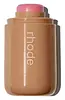 Key Ingredients
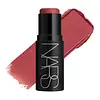
Benefits
Concerns
Ingredients Side-by-side
Octyldodecanol
Emollient
Synthetic Wax
Abrasive

Hydrogenated Polyisobutene
EmollientCetyl Ethylhexanoate
EmollientPolyglyceryl-2 Triisostearate
Emulsifying

Hydrogenated Poly(C6-14 Olefin)
EmollientBis-Diglyceryl Polyacyladipate-2
Emollient
Kaolin
Abrasive


Silica
Abrasive
Magnesium/Potassium/Silicon/Fluoride/Hydroxide/Oxide
Glycerin
Humectant

Calophyllum Inophyllum Seed Oil
Antimicrobial



Palmitoyl Tripeptide-1
Skin Conditioning


Palmitoyl Tripeptide-5
Skin Conditioning
Caprylyl Glycol
Emollient
Caprylic/Capric Triglyceride
Masking
Glyceryl Caprylate
EmollientPentaerythrityl Tetraisostearate
Emollient
Aluminum Hydroxide
EmollientTriethoxycaprylylsilane

Water
Skin ConditioningPropylene Carbonate
SolventLauryl Polyglyceryl-3 Polydimethylsiloxyethyl Dimethicone
Skin Conditioning
Stearalkonium Hectorite
Gel FormingEthylhexylglycerin
Skin ConditioningCI 77891
Cosmetic ColorantIron Oxides
CI 45410
Cosmetic ColorantCI 42090
Cosmetic ColorantOctyldodecanol, Synthetic Wax, Hydrogenated Polyisobutene, Cetyl Ethylhexanoate, Polyglyceryl-2 Triisostearate, Hydrogenated Poly(C6-14 Olefin), Bis-Diglyceryl Polyacyladipate-2, Kaolin, Silica, Magnesium/Potassium/Silicon/Fluoride/Hydroxide/Oxide, Glycerin, Calophyllum Inophyllum Seed Oil, Palmitoyl Tripeptide-1, Palmitoyl Tripeptide-5, Caprylyl Glycol, Caprylic/Capric Triglyceride, Glyceryl Caprylate, Pentaerythrityl Tetraisostearate, Aluminum Hydroxide, Triethoxycaprylylsilane, Water, Propylene Carbonate, Lauryl Polyglyceryl-3 Polydimethylsiloxyethyl Dimethicone, Stearalkonium Hectorite, Ethylhexylglycerin, CI 77891, Iron Oxides, CI 45410, CI 42090
Isodecyl Isononanoate
EmollientSilica
Abrasive
Octyldodecyl Stearoyl Stearate
Emollient
Synthetic Wax
Abrasive
Isodecyl Neopentanoate
EmollientC12-15 Alkyl Benzoate
AntimicrobialSynthetic Fluorphlogopite
CI 77120
Cosmetic ColorantIllite
Abrasive
Limnanthes Alba Seed Oil
Skin Conditioning
Sorbitan Isostearate
Emulsifying
Sorbitan Sesquioleate
Emulsifying
Stearalkonium Hectorite
Gel FormingPrunus Persica Kernel Oil
Emollient
Ethylhexylglycerin
Skin ConditioningTocopherol
Antioxidant


Rheum Palmatum Root Extract
Astringent
Mica
Cosmetic ColorantTocopheryl Acetate
Antioxidant
Isopropyl Titanium Triisostearate
Emollient
Aluminum Hydroxide
EmollientTriethoxycaprylylsilane
Tin Oxide
Abrasive
Water
Skin ConditioningButylene Glycol
Humectant
Phenoxyethanol
Preservative
CI 16035
Cosmetic ColorantCI 77891
Cosmetic ColorantCI 77491
Cosmetic ColorantCI 42090
Cosmetic ColorantCI 19140
Cosmetic ColorantIsodecyl Isononanoate, Silica, Octyldodecyl Stearoyl Stearate, Synthetic Wax, Isodecyl Neopentanoate, C12-15 Alkyl Benzoate, Synthetic Fluorphlogopite, CI 77120, Illite, Limnanthes Alba Seed Oil, Sorbitan Isostearate, Sorbitan Sesquioleate, Stearalkonium Hectorite, Prunus Persica Kernel Oil, Ethylhexylglycerin, Tocopherol, Rheum Palmatum Root Extract, Mica, Tocopheryl Acetate, Isopropyl Titanium Triisostearate, Aluminum Hydroxide, Triethoxycaprylylsilane, Tin Oxide, Water, Butylene Glycol, Phenoxyethanol, CI 16035, CI 77891, CI 77491, CI 42090, CI 19140
Reviews
Ingredients Explained
These ingredients are found in both products.
Ingredients higher up in an ingredient list are typically present in a larger amount.
Aluminum Hydroxide is a form of aluminum. It can be naturally found in nature as the mineral gibbsite. In cosmetics, Aluminum Hydroxide is used as a colorant, pH adjuster, and absorbent.
As a colorant, Aluminum Hydroxide may add opacity, or reduce the transparency. Aluminum hydroxide is contains both basic and acidic properties.
According to manufacturers, this ingredient is an emollient and humectant. This means it helps hydrate the skin.
In medicine, this ingredient is used to help relieve heartburn and help heal ulcers.
There is currently no credible scientific evidence linking aluminum hydroxide in cosmetics to increased cancer risk.
Major health organizations allow the use of aluminum hydroxide in personal care products and have not flagged it as a carcinogenic risk at typical usage levels.
Learn more about Aluminum HydroxideCi 42090 is a synthetic dye created from petroleum. It is used to give a bright blue color to cosmetics, medicine, and food.
Ci 77891 is a white pigment from Titanium dioxide. It is naturally found in minerals such as rutile and ilmenite.
It's main function is to add a white color to cosmetics. It can also be mixed with other colors to create different shades.
Ci 77891 is commonly found in sunscreens due to its ability to block UV rays.
Learn more about CI 77891Ethylhexylglycerin is created from glycerin. It is a multitasker ingredient that:
The CIR Expert Panel found minimal skin absorption or sensitization of any kind in a safety assessment. Though this ingredient is considered well-tolerated, a small number of cases of allergic dermatitis have been published since 2002. Just be sure to patch test if you are unsure.
Industry-reported use ranges from 8% in rinse-off products and 2% in leave-on formulations.
Learn more about EthylhexylglycerinSilica, also known as silicon dioxide, is a naturally occurring mineral. It is used as a fine, spherical, and porous powder in cosmetics.
Though it has exfoliant properties, the function of silica varies depending on the product.
The unique structure of silica enhances the spreadability and adds smoothness, making it a great texture enhancer.
It is also used as an active carrier, emulsifier, and mattifier due to its ability to absorb excess oil.
In some products, tiny microneedles called spicules are made from silica or hydrolyzed sponge. When you rub them in, they lightly polish away dead skin layers and enhance the penetration of active ingredients.
Learn more about SilicaStearalkonium Hectorite is a clay-derived ingredient used to thicken a product and help create a gel-like texture.
Synthetic Wax is a manufactured hydrocarbon wax. In formulas, it works as an occlusive emollient that helps reduce water loss and improves the spreadability of products.
Research comparing synthetic wax to traditional mineral-derived products found that formulas containing it perform as well for skin hydration.
It is considered non-comedogenic and vegan-friendly.
This ingredient has a well-established safety record by the CIR Expert Panel for Cosmetic Ingredient Safety.
Synthetic Waxes are straight/branched-chain hydrocarbons with no ester bond or fatty acids. That means there is nothing for the Malassezia yeast to feed on.
Learn more about Synthetic WaxTriethoxycaprylylsilane is a silicon-based surface modifier that makes sunscreens feel silky and makeup stay put.
Its main job is to coat mineral particles like titanium dioxide, zinc oxide, and color pigments in a thin, oily layer so they spread smoothly, don't clump, and stick to skin better.
This ingredient is typically used at low levels (up to 2.5% in eyeshadow and 1% in lipstick).
Learn more about TriethoxycaprylylsilaneWater. It's the most common cosmetic ingredient of all. You'll usually see it at the top of ingredient lists, meaning that it makes up the largest part of the product.
So why is it so popular? Water most often acts as a solvent - this means that it helps dissolve other ingredients into the formulation.
You'll also recognize water as that liquid we all need to stay alive. If you see this, drink a glass of water. Remember to stay hydrated!
Learn more about Water

