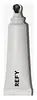
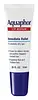
REFY Lip Gloss Versus Aquaphor Lip Repair Ointment


What's inside
What's inside
 Key Ingredients
Benefits
Concerns
Ingredients Side-by-side
Polyisobutene
Tridecyl Trimellitate
EmollientOctyldodecanol
Emollient
Cera Microcristallina
Emulsion StabilisingSilica Dimethyl Silylate
EmollientSimmondsia Chinensis Seed Oil
Emollient




Tocopheryl Acetate
Antioxidant


Phenoxyethanol
Preservative
Butyrospermum Parkii Butter
Skin Conditioning

Caprylyl Glycol
Emollient
Limnanthes Alba Seed Oil
Skin Conditioning
Glyceryl Behenate
Emollient
Sodium Hyaluronate
Humectant


CI 15850
Cosmetic ColorantIron Oxides
CI 77891
Cosmetic ColorantPolyisobutene, Tridecyl Trimellitate, Octyldodecanol, Cera Microcristallina, Silica Dimethyl Silylate, Simmondsia Chinensis Seed Oil, Tocopheryl Acetate, Phenoxyethanol, Butyrospermum Parkii Butter, Caprylyl Glycol, Limnanthes Alba Seed Oil, Glyceryl Behenate, Sodium Hyaluronate, CI 15850, Iron Oxides, CI 77891
Octyldodecanol
Emollient
C18-38 Alkyl Hydroxystearoyl Stearate
EmollientRicinus Communis Seed Oil
Masking
Caprylic/Capric Triglyceride
Masking
Glycerin
Humectant
Panthenol
Skin Conditioning
Bis-Diglyceryl Polyacyladipate-2
Emollient
Water
Skin ConditioningPolyglyceryl-3 Diisostearate
Emulsifying
Butyrospermum Parkii Butter
Skin Conditioning
Hydrogenated Castor Oil
Emollient
Tocopherol
Antioxidant
Tocopheryl Acetate
Antioxidant
Sodium Ascorbyl Phosphate
Antioxidant


Bisabolol
Antioxidant
Beeswax
Emulsion Stabilising
C20-40 Alkyl Stearate
Skin ConditioningMagnesium Stearate
Cosmetic ColorantMagnesium Sulfate
Octyldodecanol, C18-38 Alkyl Hydroxystearoyl Stearate, Ricinus Communis Seed Oil, Caprylic/Capric Triglyceride, Glycerin, Panthenol, Bis-Diglyceryl Polyacyladipate-2, Water, Polyglyceryl-3 Diisostearate, Butyrospermum Parkii Butter, Hydrogenated Castor Oil, Tocopherol, Tocopheryl Acetate, Sodium Ascorbyl Phosphate, Bisabolol, Beeswax, C20-40 Alkyl Stearate, Magnesium Stearate, Magnesium Sulfate
Reviews
Ingredients Explained
These ingredients are found in both products.
Ingredients higher up in an ingredient list are typically present in a larger amount.
This ingredient is also known as shea butter. It is a plant-derived extract from the nuts of the Africa shea tree and one of the most well-studied emollients.
Because it has a high concentration of fatty acids (primarily oleic, stearic, and linoleic) it is able to form a protective barrier on the skin's surface. This helps seal in moisture and prevents transepidermal water loss (TEWL).
In vitro research found an increase in skin hydration by 58% and a decrease in TEWL by 37.8% after 24 hours of applying this ingredient (pretty impressive for a single ingredient!).
Besides hydration, shea butter also contains triterpenes that have anti-inflammatory potential. In particule, lupeol cinnamate has shown the highest anti-inflammatory activity in vivo.
Shea butter also contains vitamins A and E which may contribute to antioxidant activity.
While Shea Butter has an SPF rating of about 3-4, it is not a sunscreen replacement.
This ingredient may not be fungal acne safe because its fatty acids fall within the C11-C24 range that the Malassezia yeast can metabolize.
Learn more about Butyrospermum Parkii ButterOctyldodecanol is a fatty alcohol sourced from plant oils like coconut or palm (or made synthetically).
It is:
You'll likely see this in many BHA products because this is the go-to solvent for salicylic acid.
This ingredient is typically used at levels between 2-20%.
Regarding fungal acne:
In 2019, this ingredient was tested against multiple Malassezia species (the yeast that causes fungal acne) and showed no growth.
Tocopheryl Acetate is AKA Vitamin E. It is an antioxidant and protects your skin from free radicals. Free radicals damage the skin by breaking down collagen.
One study found using Tocopheryl Acetate with Vitamin C decreased the number of sunburned cells.
Tocopheryl Acetate is commonly found in both skincare and dietary supplements.
Learn more about Tocopheryl Acetate
