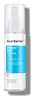
This barrier-repair essence is formulated around Panthenol and Madecassoside to strengthen the skin barrier and hydrate skin.
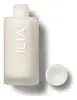
This hydrating essence is formulated around Squalane and Argania Spinosa Kernel Oil to hydrate skin and strengthen the skin barrier.


What's inside
What's inside
 Key Ingredients
Benefits
Concerns
Ingredients Side-by-side
Water
Skin ConditioningPropanediol
Solvent

Panthenol
Skin Conditioning


1,2-Hexanediol
Skin Conditioning
Caprylic/Capric Triglyceride
Masking
Myristoyl/Palmitoyl Oxostearamide/Arachamide Mea
Skin ConditioningGlycerin
Humectant
Sorbitan Stearate
Emulsifying

Cetearyl Alcohol
Emollient



Glyceryl Stearate
Emollient
Viscum Album Fruit Extract
SoothingPhytosterols
Skin Conditioning
Microcrystalline Cellulose
AbsorbentCellulose Gum
Emulsion StabilisingAllantoin
Skin Conditioning
Hydrolyzed Hyaluronic Acid
Humectant

Stearic Acid
Cleansing
Citrus Aurantium Dulcis Oil
Masking
Lavandula Angustifolia Oil
Masking



Dihydroxyisopropyl Palmoylpalmamide
HumectantButylene Glycol
Humectant
Xanthan Gum
EmulsifyingVetiveria Zizanoides Root Oil
Masking
Madecassoside
Antioxidant

Polyglyceryl-10 Laurate
Skin Conditioning
Palmitoyl Pentapeptide-4
Skin Conditioning
Water, Propanediol, Panthenol, 1,2-Hexanediol, Caprylic/Capric Triglyceride, Myristoyl/Palmitoyl Oxostearamide/Arachamide Mea, Glycerin, Sorbitan Stearate, Cetearyl Alcohol, Glyceryl Stearate, Viscum Album Fruit Extract, Phytosterols, Microcrystalline Cellulose, Cellulose Gum, Allantoin, Hydrolyzed Hyaluronic Acid, Stearic Acid, Citrus Aurantium Dulcis Oil, Lavandula Angustifolia Oil, Dihydroxyisopropyl Palmoylpalmamide, Butylene Glycol, Xanthan Gum, Vetiveria Zizanoides Root Oil, Madecassoside, Polyglyceryl-10 Laurate, Palmitoyl Pentapeptide-4
Water
Skin ConditioningPropanediol
Solvent
Caprylic/Capric Glycerides
EmollientSqualane
Emollient
Butylene Glycol
Humectant
Glycerin
Humectant
Argania Spinosa Kernel Oil
Emollient

1,2-Hexanediol
Skin Conditioning
Hydroxyethyl Acrylate/Sodium Acryloyldimethyl Taurate Copolymer
Emulsion StabilisingHydroxyacetophenone
Antioxidant
Isohexadecane
EmollientAllantoin
Skin Conditioning
Linoleic Acid
Cleansing
Phospholipids
Skin Conditioning
Phytosterols
Skin Conditioning
Caprylyl Glycol
Emollient
Polyglyceryl-10 Stearate
Skin Conditioning
Hydrolyzed Opuntia Ficus-Indica Flower Extract
Abrasive
Polysorbate 60
Emulsifying
Sorbitan Isostearate
Emulsifying
Hyaluronic Acid
Humectant
Hydrolyzed Hyaluronic Acid
Humectant
Sodium Hyaluronate
Humectant
Chlorella Vulgaris Extract
Skin ConditioningLactic Acid
Buffering


Water, Propanediol, Caprylic/Capric Glycerides, Squalane, Butylene Glycol, Glycerin, Argania Spinosa Kernel Oil, 1,2-Hexanediol, Hydroxyethyl Acrylate/Sodium Acryloyldimethyl Taurate Copolymer, Hydroxyacetophenone, Isohexadecane, Allantoin, Linoleic Acid, Phospholipids, Phytosterols, Caprylyl Glycol, Polyglyceryl-10 Stearate, Hydrolyzed Opuntia Ficus-Indica Flower Extract, Polysorbate 60, Sorbitan Isostearate, Hyaluronic Acid, Hydrolyzed Hyaluronic Acid, Sodium Hyaluronate, Chlorella Vulgaris Extract, Lactic Acid
Reviews
Ingredients Explained
These ingredients are found in both products.
Ingredients higher up in an ingredient list are typically present in a larger amount.
1,2-Hexanediol is a synthetic liquid and another multi-functional powerhouse.
It is a:
- Humectant, drawing moisture into the skin
- Emollient, helping to soften skin
- Solvent, dispersing and stabilizing formulas
- Preservative booster, enhancing the antimicrobial activity of other preservatives
Allantoin is a soothing ingredient known for its protective and moisturizing properties; it's basically a quiet workhorse ingredient you can find in a huge range of cosmetics.
Though it can be derived from the comfrey plant, allantoin is produced synthetically for cosmetic products to ensure purity.
Research shows it can encourage your skin cells to turn over and renew by stimulating keratinocyte and fibroblast proliferation.
It also has mild keratolytic properties to help loosen and shed dead skin cells without being harsh.
Studies also suggest allantoin can help calm inflammation by dialing down some of the chemical signals your skin sends out when it is irritated.
This ingredient is typically used in the 0.1-0.5% range, and the FDA recognizes it as a skin protectant in OTC products up to 2%.
Overall, allantoin is a wonderful addition to most routines; it is stable across a wide pH range (~4-8), works well with other ingredients, and is considered non-sensitizing/non-irritating.
Fun fact: Allantoin is naturally occurring in comfrey root, beets, chamomile, and wheat sprouts. Our bodies even produce it as a byproduct of uric acid metabolism.
Learn more about AllantoinButylene Glycol (or BG) is used within cosmetic products for a few different reasons:
Overall, Butylene Glycol is a safe and well-rounded ingredient that works well with other ingredients.
Though this ingredient works well with most skin types, some people with sensitive skin may experience a reaction such as allergic rashes, closed comedones, or itchiness.
Learn more about Butylene GlycolGlycerin (or glycerol) is a compound naturally found in your skin. It's a powerhouse humectant that pulls water into the stratum corneum.
Topically, glycerin does several things at once:
Your skin makes glycerin on its own (mostly from sebaceous oil breakdown) and shuttles it to your outermost layer of skin, or your epidermis, via aquaporin-3.
Aquaporin-3 is a transporter that is essential for normal skin hydration, elasticity, and repair. Interestingly, mice lacking in AQP3 have dry and less elastic skin that can be fully corrected with glycerin.
This ingredient is non-irritating, plays well with almost every ingredient, and works across all skin types. Typical use is anywhere between 3-10% but can go up to 79% in some leave-on products.
Just know very high concentrations (>40%) can feel tacky in low humidity.
Glycerin is the name for this ingredient in American English. British English uses Glycerol/Glycerine.
Learn more about GlycerinHydrolyzed Hyaluronic Acid is hyaluronic acid (HA) that is broken down into lower molecular weight fragments.
It's a humectant that pulls and holds water in the skin to help with hydration, plumpness, and reduce transepidermal water loss.
Because hydrolyzed hyaluronic acid is smaller in size, it can slip past your outermost layer of skin more easily than full-sized HA.
Most formulations will combine all sizes to get the best of both worlds.
Typical usage levels range from 0.01-1%. Any percentage higher than 2% might become goopy and tacky.
Learn more about Hydrolyzed Hyaluronic AcidPhytosterols are plant-derived sterols (you can think of them as the plant world's version of cholesterol). In cosmetics, this ingredient is usually sourced from soybean, rice bran, shea, sunflower, and other seed oils.
The main actors in this group are β-sitosterol, campesterol, and stigmasterol (the CIR covers 27 phytosterols).
They work by fitting perfectly into your stratum corneum's lipid matrix since they're structurally similar to cholesterol. Here, they reinforce your skin's barrier.
One small in vivo human study showed topical soybean phytosterols sped up barrier recovery within three days on tape-stripped skin.
Broader research credits them with:
Formulation use typically sit under 5%.
Testing in soy-allergic subjects found no sensitization signals, but be sure to patch test if you are unsure or have existing allergies.
Learn more about PhytosterolsPropanediol is an all-star ingredient. It softens, hydrates, and smooths the skin.
It’s often used to:
Propanediol is not likely to cause sensitivity and considered safe to use. It is derived from corn or petroleum with a clear color and no scent.
Learn more about PropanediolWater. It's the most common cosmetic ingredient of all. You'll usually see it at the top of ingredient lists, meaning that it makes up the largest part of the product.
So why is it so popular? Water most often acts as a solvent - this means that it helps dissolve other ingredients into the formulation.
You'll also recognize water as that liquid we all need to stay alive. If you see this, drink a glass of water. Remember to stay hydrated!
Learn more about Water

