
What's inside
What's inside
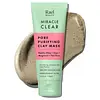 Key Ingredients
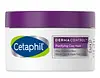
Benefits
Concerns
No concerns
Ingredients Side-by-side
Water
Skin ConditioningKaolin
Abrasive



Illite
Abrasive
Dipropylene Glycol
HumectantMagnesium Aluminum Silicate
AbsorbentHectorite
AbsorbentGlycerin
Humectant



1,2-Hexanediol
Skin Conditioning
Montmorillonite
AbsorbentArtemisia Scoparia Extract
Skin ConditioningHydroxyacetophenone
Antioxidant

Butylene Glycol
Humectant
Polyglyceryl-10 Laurate
Skin Conditioning
Polyglyceryl-10 Myristate
Skin Conditioning
Centella Asiatica Leaf/Stem Powder
Melaleuca Alternifolia Leaf Powder
Abrasive
Xanthan Gum
EmulsifyingDipotassium Glycyrrhizate
Humectant

Carica Papaya Fruit Extract
Skin ConditioningCentella Asiatica Extract
Cleansing
Sodium Phytate
Panthenol
Skin Conditioning
Succinic Acid
BufferingWater, Kaolin, Illite, Dipropylene Glycol, Magnesium Aluminum Silicate, Hectorite, Glycerin, 1,2-Hexanediol, Montmorillonite, Artemisia Scoparia Extract, Hydroxyacetophenone, Butylene Glycol, Polyglyceryl-10 Laurate, Polyglyceryl-10 Myristate, Centella Asiatica Leaf/Stem Powder, Melaleuca Alternifolia Leaf Powder, Xanthan Gum, Dipotassium Glycyrrhizate, Carica Papaya Fruit Extract, Centella Asiatica Extract, Sodium Phytate, Panthenol, Succinic Acid
Water
Skin ConditioningKaolin
Abrasive
Glycerin
Humectant
Petrolatum
Emollient
Cetearyl Alcohol
Emollient


Propanediol
Solvent
Stearyl Alcohol
Emollient
Bentonite
Absorbent
PEG-100 Stearate
Glyceryl Stearate
Emollient
Butyrospermum Parkii Butter
Skin Conditioning
Magnesium Aluminum Silicate
AbsorbentPyrus Malus Fruit Extract
Skin Conditioning
Persea Gratissima Oil
Skin Conditioning
Xanthan Gum
EmulsifyingSorbitan Stearate
Emulsifying
Phenoxyethanol
Preservative
Caprylyl Glycol
Emollient
Cucumis Sativus Seed Oil
Emollient
Hexylene Glycol
EmulsifyingEthylhexylglycerin
Skin ConditioningCitric Acid
Buffering


Glyceryl Acrylate/Acrylic Acid Copolymer
HumectantWater, Kaolin, Glycerin, Petrolatum, Cetearyl Alcohol, Propanediol, Stearyl Alcohol, Bentonite, PEG-100 Stearate, Glyceryl Stearate, Butyrospermum Parkii Butter, Magnesium Aluminum Silicate, Pyrus Malus Fruit Extract, Persea Gratissima Oil, Xanthan Gum, Sorbitan Stearate, Phenoxyethanol, Caprylyl Glycol, Cucumis Sativus Seed Oil, Hexylene Glycol, Ethylhexylglycerin, Citric Acid, Glyceryl Acrylate/Acrylic Acid Copolymer
Reviews
Ingredients Explained
These ingredients are found in both products.
Ingredients higher up in an ingredient list are typically present in a larger amount.
Glycerin is already naturally found in your skin. It helps moisturize and protect your skin.
A study from 2016 found glycerin to be more effective as a humectant than AHAs and hyaluronic acid.
As a humectant, it helps the skin stay hydrated by pulling moisture to your skin. The low molecular weight of glycerin allows it to pull moisture into the deeper layers of your skin.
Hydrated skin improves your skin barrier; Your skin barrier helps protect against irritants and bacteria.
Glycerin has also been found to have antimicrobial and antiviral properties. Due to these properties, glycerin is often used in wound and burn treatments.
In cosmetics, glycerin is usually derived from plants such as soybean or palm. However, it can also be sourced from animals, such as tallow or animal fat.
This ingredient is organic, colorless, odorless, and non-toxic.
Glycerin is the name for this ingredient in American English. British English uses Glycerol/Glycerine.
Learn more about GlycerinKaolin is a clay. It is used for oil control and to help minimize pores. Like other clays, kaolin has the ability to absorb excess sebum or oil. This can help clean out pores and mattify the skin.
Some types of kaolin may have exfoliating properties. When water is added to kaolin, it becomes a paste with small abrasive particles.
Most kaolin is a white color, but may be pink/orange/red depending on where it comes from.
The name 'kaolin' comes from a Chinese village named 'Gaoling'. Kaolin clay comes from rocks rich in kaolinite. Kaolinite, the mineral, has a silicate layered structure. Kaolinite is formed from chemical weathering of aluminum siilicate minerals.
Besides skincare, kaolin is commonly used to make glossy paper, in ceramics, toothpaste, and as medicine to soothe stomach issues.
Learn more about KaolinMagnesium Aluminum Silicate is a type of silica. It comes from naturally occuring minerals such as silicate ores and clay.
Magnesium aluminum silicate is used for enhancing texture and as an absorbent. Due to its large molecular size, it is unable to be absorbed into the skin.
Like other types of silica, this ingredient can be used to thicken a product. As an absorbent, it may be used to absorb extra water or help prevent clumping.
Although “aluminum” in an ingredient name can raise red flags for some consumers, the form and usage context matter significantly. For typical topical applications, there is no substantial evidence of health risks - such as cancer, neurotoxicity, or systemic “aluminum overload.”
Learn more about Magnesium Aluminum SilicateWater. It's the most common cosmetic ingredient of all. You'll usually see it at the top of ingredient lists, meaning that it makes up the largest part of the product.
So why is it so popular? Water most often acts as a solvent - this means that it helps dissolve other ingredients into the formulation.
You'll also recognize water as that liquid we all need to stay alive. If you see this, drink a glass of water. Stay hydrated!
Learn more about WaterXanthan gum is used as a stabilizer and thickener within cosmetic products. It helps give products a sticky, thick feeling - preventing them from being too runny.
On the technical side of things, xanthan gum is a polysaccharide - a combination consisting of multiple sugar molecules bonded together.
Xanthan gum is a pretty common and great ingredient. It is a natural, non-toxic, non-irritating ingredient that is also commonly used in food products.
Learn more about Xanthan Gum
