

What's inside
What's inside
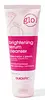 Key Ingredients
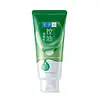
Benefits
Concerns
Ingredients Side-by-side
Water
Skin ConditioningDisodium Laureth Sulfosuccinate
CleansingPotassium Cocoyl Glycinate
Surfactant
Acrylates Copolymer
Coco-Glucoside
Cleansing
Potassium Cocoate
Emulsifying

Disodium Cocoamphodiacetate
CleansingPolyglyceryl-4 Caprate
EmulsifyingSodium Chloride
MaskingPotassium Benzoate
Preservative
Tromethamine
BufferingParfum
Masking



Hexylene Glycol
EmulsifyingNiacinamide
Smoothing











Disodium EDTA
ChelatingCitrullus Lanatus Fruit Extract
Skin Conditioning
1,2-Hexanediol
Skin Conditioning
Gardenia Florida Fruit Extract
Skin ConditioningDextrin
AbsorbentSodium Ascorbyl Phosphate
Antioxidant

Tranexamic Acid
Astringent
3-O-Ethyl Ascorbic Acid
Skin Conditioning
Ascorbic Acid
Antioxidant
Butylene Glycol
Humectant
Houttuynia Cordata Extract
Skin Conditioning
Centella Asiatica Extract
Cleansing
Artemisia Capillaris Extract
Prunus Persica Fruit Extract
Abrasive
Galactomyces Ferment Filtrate
Humectant
Water, Disodium Laureth Sulfosuccinate, Potassium Cocoyl Glycinate, Acrylates Copolymer, Coco-Glucoside, Potassium Cocoate, Disodium Cocoamphodiacetate, Polyglyceryl-4 Caprate, Sodium Chloride, Potassium Benzoate, Tromethamine, Parfum, Hexylene Glycol, Niacinamide, Disodium EDTA, Citrullus Lanatus Fruit Extract, 1,2-Hexanediol, Gardenia Florida Fruit Extract, Dextrin, Sodium Ascorbyl Phosphate, Tranexamic Acid, 3-O-Ethyl Ascorbic Acid, Ascorbic Acid, Butylene Glycol, Houttuynia Cordata Extract, Centella Asiatica Extract, Artemisia Capillaris Extract, Prunus Persica Fruit Extract, Galactomyces Ferment Filtrate
Water
Skin ConditioningGlycerin
Humectant
Palmitic Acid
Emollient

Lauric Acid
Cleansing
Potassium Hydroxide
BufferingStearic Acid
Cleansing
Myristic Acid
Cleansing
Butylene Glycol
Humectant
Potassium Cocoyl Glycinate
Surfactant
Potassium Chloride
Polyquaternium-7
Disodium EDTA
ChelatingCitrus Paradisi Peel Oil
Masking

Citrus Aurantium Dulcis Peel Oil
Masking
Potassium Cocoate
Emulsifying
Coconut Acid
Cleansing
Methylparaben
Preservative

Sodium Hyaluronate
Humectant
Epilobium Fleischeri Extract
Skin ConditioningPropylparaben
Preservative
Disteardimonium Hectorite
StabilisingPotassium Sorbate
Preservative
Citric Acid
Buffering
Camellia Sinensis Leaf Extract
Antimicrobial
Water, Glycerin, Palmitic Acid, Lauric Acid, Potassium Hydroxide, Stearic Acid, Myristic Acid, Butylene Glycol, Potassium Cocoyl Glycinate, Potassium Chloride, Polyquaternium-7, Disodium EDTA, Citrus Paradisi Peel Oil, Citrus Aurantium Dulcis Peel Oil, Potassium Cocoate, Coconut Acid, Methylparaben, Sodium Hyaluronate, Epilobium Fleischeri Extract, Propylparaben, Disteardimonium Hectorite, Potassium Sorbate, Citric Acid, Camellia Sinensis Leaf Extract
Reviews
Ingredients Explained
These ingredients are found in both products.
Ingredients higher up in an ingredient list are typically present in a larger amount.
Butylene Glycol (or BG) is used within cosmetic products for a few different reasons:
Overall, Butylene Glycol is a safe and well-rounded ingredient that works well with other ingredients.
Though this ingredient works well with most skin types, some people with sensitive skin may experience a reaction such as allergic rashes, closed comedones, or itchiness.
Learn more about Butylene GlycolDisodium EDTA is a chelating agent. It grabs onto and deactivates metal ions that sneak into your products from water, packaging, or air.
This ingredient mainly works behind the scenes and helps with:
On top of that, this ingredient can counteract the effects of hard water by binding to the minerals in it.
One thing worth knowing is that Disodium EDTA has been shown to be a mild penetration enhancer. It can help other ingredients absorb into skin more effectively which can be a double-edged sword (great for actives, but can also make the active too strong if you have sensitive skin).
Clinical patch testing showed no significant skin irritation at typical use concentrations and minimal dermal absorption.
You'll most likely see this ingredient near the end of an ingredient list. It's typically found in concentrations less than 1%.
Learn more about Disodium EDTAPotassium Cocoate is basically a liquid coconut soap that's made by cooking coconut oil with potassium hydroxide.
It's a cleanser, foaming, and emulsifying agent that mostly shows up in soaps and "natural" cleansers.
Rinse-off concentrations typically range from 2-25%.
The finished product sits at a fairly high pH (~9-11) because it's a true soap. This just means it can feel drying or slightly stripping if a formula isn't balance with emollients.
Allergy and irritation risk is low as this ingredient was found to be an irritant in less than 1% of subjects (2 of these subjects had active psoriasis and 3 had active eczema).
Fungal acne: The Malassezia yeast feeds on fatty acids in the ~C12-24 range, and Potassium Cocoate is made of exactly those (Lauric C12, Myristic C14, Palmitic C16, Oleic C18:1). Lab studies have shown the yeast can take up Lauric Acid and grows readily on Palmitic Acid. Therefore, this ingredient may not be fungal acne safe.
Learn more about Potassium CocoatePotassium Cocoyl Glycinate is an amino acid-based surfactant and cleaning agent. This ingredient can be derived from animals or plants. It may also be synthetically created from fatty acids of the coconut and glycine.
Potassium Cocoyl Glycinate is a gentle surfactant. Surfactants help gather the dirt, oil, and other pollutants from your skin to be rinsed away. It is a mild cleanser and naturally produces foam.
Water. It's the most common cosmetic ingredient of all. You'll usually see it at the top of ingredient lists, meaning that it makes up the largest part of the product.
So why is it so popular? Water most often acts as a solvent - this means that it helps dissolve other ingredients into the formulation.
You'll also recognize water as that liquid we all need to stay alive. If you see this, drink a glass of water. Remember to stay hydrated!
Learn more about Water

