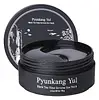
This anti-aging eye mask is formulated around Niacinamide and Saccharomyces/Xylinum/Black Tea Ferment to soften the look of wrinkles.
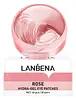
This hydrating eye mask is formulated around Sodium Hyaluronate and Adenosine to hydrate skin and calm redness.


What's inside
What's inside
 Key Ingredients
Benefits
Concerns
Ingredients Side-by-side
Water
Skin ConditioningGlycerin
Humectant


Niacinamide
Smoothing









Chondrus Crispus Extract
Skin Conditioning

Ceratonia Siliqua Gum
EmollientCellulose Gum
Emulsion Stabilising1,2-Hexanediol
Skin Conditioning
Hydroxyacetophenone
Antioxidant
Sucrose
Humectant
Potassium Chloride
Calcium Aluminum Borosilicate
CI 77499
Cosmetic ColorantSaccharomyces/Xylinum/Black Tea Ferment
Skin Conditioning

Allantoin
Skin Conditioning
Xanthan Gum
EmulsifyingCoptis Chinensis Root Extract
Antioxidant
Ethylhexylglycerin
Skin ConditioningSilica
Abrasive
Adenosine
Skin Conditioning
CI 77891
Cosmetic ColorantBis-PEG-15 Methyl Ether Dimethicone
Emulsifying
Disodium EDTA
ChelatingMica
Cosmetic ColorantDipotassium Glycyrrhizate
Humectant
Glycine Max Seed Extract
Skin ConditioningBetula Alba Leaf Extract
AstringentPolyglyceryl-6 Caprylate
EmulsifyingPolyglyceryl-4 Caprate
EmulsifyingSodium Polyacryloyldimethyl Taurate
Emulsion StabilisingButylene Glycol
Humectant
Camellia Sinensis Leaf Extract
Antimicrobial
Oryza Sativa Bran Extract
Skin Conditioning
Pearl Extract
Antioxidant
Melaleuca Alternifolia Leaf Extract
Perfuming
Tin Oxide
Abrasive
Propanediol
Solvent
Hydrolyzed Collagen
Emollient
Ceramide NP
Skin Conditioning
Glyceryl Polymethacrylate
Tocopherol
Antioxidant
Hydrolyzed Glycosaminoglycans
HumectantSodium Hyaluronate
Humectant
Propylene Glycol
Humectant
Sodium Hyaluronate Crosspolymer
Humectant
Hydrolyzed Hyaluronic Acid
Humectant
Hydroxypropyltrimonium Hyaluronate
Hyaluronic Acid
Humectant
Sodium Acetylated Hyaluronate
Humectant
Palmitoyl Tripeptide-1
Skin Conditioning
Water, Glycerin, Niacinamide, Chondrus Crispus Extract, Ceratonia Siliqua Gum, Cellulose Gum, 1,2-Hexanediol, Hydroxyacetophenone, Sucrose, Potassium Chloride, Calcium Aluminum Borosilicate, CI 77499, Saccharomyces/Xylinum/Black Tea Ferment, Allantoin, Xanthan Gum, Coptis Chinensis Root Extract, Ethylhexylglycerin, Silica, Adenosine, CI 77891, Bis-PEG-15 Methyl Ether Dimethicone, Disodium EDTA, Mica, Dipotassium Glycyrrhizate, Glycine Max Seed Extract, Betula Alba Leaf Extract, Polyglyceryl-6 Caprylate, Polyglyceryl-4 Caprate, Sodium Polyacryloyldimethyl Taurate, Butylene Glycol, Camellia Sinensis Leaf Extract, Oryza Sativa Bran Extract, Pearl Extract, Melaleuca Alternifolia Leaf Extract, Tin Oxide, Propanediol, Hydrolyzed Collagen, Ceramide NP, Glyceryl Polymethacrylate, Tocopherol, Hydrolyzed Glycosaminoglycans, Sodium Hyaluronate, Propylene Glycol, Sodium Hyaluronate Crosspolymer, Hydrolyzed Hyaluronic Acid, Hydroxypropyltrimonium Hyaluronate, Hyaluronic Acid, Sodium Acetylated Hyaluronate, Palmitoyl Tripeptide-1
Water
Skin ConditioningGlycerin
Humectant
Chondrus Crispus Powder
Abrasive
Rosa Rugosa Flower Extract
Skin ConditioningButylene Glycol
Humectant
Sodium Hyaluronate
Humectant
Arnica Montana Flower Extract
Masking
Chamomilla Recutita Flower Extract
Masking
Lavandula Angustifolia Flower Extract
Cleansing

Aloe Barbadensis Extract
Skin Conditioning
Cladosiphon Okamuranus Extract
Skin Conditioning
Rosa Centifolia Flower Extract
Astringent
Ceratonia Siliqua Gum
EmollientHydrolyzed Collagen
Emollient
Xanthan Gum
EmulsifyingDipropylene Glycol
HumectantTocopheryl Acetate
Antioxidant
Adenosine
Skin Conditioning
Allantoin
Skin Conditioning
PEG-60 Hydrogenated Castor Oil
Emulsifying
Ceramide NP
Skin Conditioning
Phenoxyethanol
Preservative
Synthetic Fluorphlogopite
Parfum
Masking
Ruby Powder
Skin ConditioningCI 75470
Cosmetic ColorantWater, Glycerin, Chondrus Crispus Powder, Rosa Rugosa Flower Extract, Butylene Glycol, Sodium Hyaluronate, Arnica Montana Flower Extract, Chamomilla Recutita Flower Extract, Lavandula Angustifolia Flower Extract, Aloe Barbadensis Extract, Cladosiphon Okamuranus Extract, Rosa Centifolia Flower Extract, Ceratonia Siliqua Gum, Hydrolyzed Collagen, Xanthan Gum, Dipropylene Glycol, Tocopheryl Acetate, Adenosine, Allantoin, PEG-60 Hydrogenated Castor Oil, Ceramide NP, Phenoxyethanol, Synthetic Fluorphlogopite, Parfum, Ruby Powder, CI 75470
Reviews
Ingredients Explained
These ingredients are found in both products.
Ingredients higher up in an ingredient list are typically present in a larger amount.
Adenosine is a purine nucleoside that your body already makes in every cell. In skincare, it acts mainly as a skin conditioning and anti-aging agent.
The way it works is fairly well mapped out:
Your skin has cells called fibroblasts that build collagen (the stuff that keeps skin firm and smooth). Adenosine basically flips a switch on these cells that tells them to get to work making more collagen and other proteins. These cells slow down on their own as skin ages, so Adenosine helps give them a little nudge to keep going.
The clinical backing is pretty solid too.
A blind, randomized, placebo-controlled trial of 126 women aged 45-65 tested a 0.1% cream twice daily and found real improvements in crow's feet and frown lines using a precise 3D skin-mapping technique; these changes showed up by week 3 and held at 2 months.
A later study using Adenosine-loaded dissolving microneedle patches reported gains in wrinkle depth, dermal density, elasticity, and hydration.
On concentrations, South Korea's Ministry of Food and Drug Safety has set 0.04% as the approved functional anti-wrinkle level. You'll typically see this ingredient used somewhere in the 0.04-0.1% range since it works at low doses.
This ingredient has been found safe for cosmetics with the data showing no irritation or sensitization.
Overall, this is a great ingredient for any anti-aging routine and has no photosensitizing effect, so it suits both AM and PM use.
Learn more about AdenosineAllantoin is a soothing ingredient known for its protective and moisturizing properties; it's basically a quiet workhorse ingredient you can find in a huge range of cosmetics.
Though it can be derived from the comfrey plant, allantoin is produced synthetically for cosmetic products to ensure purity.
Research shows it can encourage your skin cells to turn over and renew by stimulating keratinocyte and fibroblast proliferation.
It also has mild keratolytic properties to help loosen and shed dead skin cells without being harsh.
Studies also suggest allantoin can help calm inflammation by dialing down some of the chemical signals your skin sends out when it is irritated.
This ingredient is typically used in the 0.1-0.5% range, and the FDA recognizes it as a skin protectant in OTC products up to 2%.
Overall, allantoin is a wonderful addition to most routines; it is stable across a wide pH range (~4-8), works well with other ingredients, and is considered non-sensitizing/non-irritating.
Fun fact: Allantoin is naturally occurring in comfrey root, beets, chamomile, and wheat sprouts. Our bodies even produce it as a byproduct of uric acid metabolism.
Learn more about AllantoinButylene Glycol (or BG) is used within cosmetic products for a few different reasons:
Overall, Butylene Glycol is a safe and well-rounded ingredient that works well with other ingredients.
Though this ingredient works well with most skin types, some people with sensitive skin may experience a reaction such as allergic rashes, closed comedones, or itchiness.
Learn more about Butylene GlycolCeramide NP (formerly known as Ceramide 3) is one of the skin's naturally occurring lipids.
Since ceramides are the major lipid components of the skin, they are crucial for maintaining skin barrier and hydration. Ceramide NP most closely mirrors the dominant kind in human skin amongst ceramide subtypes.
This ceramide works by slotting into gaps within the stratum corneum's lipid matrix to limit trans-epidermal water loss (TEWL) and shield the skin against external irritants.
A study with 312 patients found that using a ceramide-containing routine for 4 weeks reduced the severity of atopic dermatitis by over 61%.
Another clinical study in subjects aged 60 and older found that a ceramide body wash and moisturizer improved skin dryness and itchy skin in 15 days.
Overall, ceramides are considered non-irritating and safety tests have found little to no observable adverse effects from using this ingredient.
Ceramide NP is usually sourced from plants (like soybean or rice bran), or produced synthetically.
Learn more about Ceramide NPCeratonia Siliqua Gum is extracted from the seeds of the carob tree. You might know this ingredient as Carob Gum or Locust Bean Gum. It is used to stabilize other ingredients and improve the texture of products.
Carob gum is made up of long-chain polysaccharides. This makes it a natural thickener.
Yes! This ingredient comes from the seeds of a tree. The name 'Locust Bean Gum' can be misleading.
Learn more about Ceratonia Siliqua GumGlycerin (or glycerol) is a compound naturally found in your skin. It's a powerhouse humectant that pulls water into the stratum corneum.
Topically, glycerin does several things at once:
Your skin makes glycerin on its own (mostly from sebaceous oil breakdown) and shuttles it to your outermost layer of skin, or your epidermis, via aquaporin-3.
Aquaporin-3 is a transporter that is essential for normal skin hydration, elasticity, and repair. Interestingly, mice lacking in AQP3 have dry and less elastic skin that can be fully corrected with glycerin.
This ingredient is non-irritating, plays well with almost every ingredient, and works across all skin types. Typical use is anywhere between 3-10% but can go up to 79% in some leave-on products.
Just know very high concentrations (>40%) can feel tacky in low humidity.
Glycerin is the name for this ingredient in American English. British English uses Glycerol/Glycerine.
Learn more about GlycerinHydrolyzed Collagen is Collagen (usually sourced from fish, bovine, or porcine byproducts) that's been broken down into smaller peptides. This makes it water-soluble and easy to blend into formulations.
In a formula, it works mainly as a skin-conditioning and moisturizing agent.
The small peptides and amino acids (including Natural Moisturizing Factor components like Hydroxyproline, Serine, and Aspartic Acid) help the surface of the skin hold onto water, feel softer, and look temporarily plumper.
This ingredient also has mild film-forming and antioxidant properties with research showing the antioxidant effect is stronger the lower the molecular weight of the peptides.
It's worth being realistic here:
Topically applied Hydrolyzed Collagen conditions the upper layers of skin rather than rebuilding the structural collagen deep in your dermis (the wrinkle-and-firmness benefits people associate with Collagen mostly come from oral supplements in studies, not topicals).
However, recent lab and skin-model work on Hydrolyzed Fish Collagen has shown promising effects on cell viability and wound healing when used as an active.
Typical concentrations range from 0.2-2%, but the percentage can go much higher in rinse-off or hair products (sometimes even above 50%).
Clinical studies on this ingredient showed no irritation, sensitization, or phototoxicity.
If you are looking for vegan collagen, it usually goes by a different INCI name like hydrolyzed soy protein. Vegan collagen is derived from yeast, bacteria, or plant sources.
The results are varied.
A study from 2021 found hydrolyzed collagen increased elasticity and improved wrinkles in 1,125 participants between age 20 and 70. Another study found increased skin thickness in participants between the ages of 45 to 59.
However, It is difficult to prove that oral collagen will end up working on your skin. Many of the studies using hydrolyzed collagen also add several vitamins and nutrients into the test mixture as well.
Further studies are needed at this time.
Learn more about Hydrolyzed CollagenSodium Hyaluronate is the salt form of hyaluronic acid. It is a long sugar chain that is naturally found in your skin, joints, and connective tissue that maintains hydration and elasticity.
In skincare, it works as a humectant. It pulls water from the environment and deeper layers of skin and binds it to the surface.
Interestingly, the size of the molecule affects its behavior:
Some clinical evidence links low molecular weight versions to improved wrinkle depth, elasticity, anti-inflammatory effects, and barrier repair.
Many serums use a blend of both weights so you can get surface hydration plus longer-lasting and deeper effects.
You'll typically see concentrations between 0.1-2% for this ingredient.
Learn more about Sodium HyaluronateWater. It's the most common cosmetic ingredient of all. You'll usually see it at the top of ingredient lists, meaning that it makes up the largest part of the product.
So why is it so popular? Water most often acts as a solvent - this means that it helps dissolve other ingredients into the formulation.
You'll also recognize water as that liquid we all need to stay alive. If you see this, drink a glass of water. Remember to stay hydrated!
Learn more about WaterXanthan gum is used as a stabilizer and thickener within cosmetic products. It helps give products a sticky, thick feeling - preventing them from being too runny.
On the technical side of things, xanthan gum is a polysaccharide - a combination consisting of multiple sugar molecules bonded together.
Xanthan gum is a pretty common and great ingredient. It is a natural, non-toxic, non-irritating ingredient that is also commonly used in food products.
Learn more about Xanthan Gum

