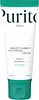
This barrier-repair moisturizer is formulated around Panthenol and Niacinamide to strengthen the skin barrier and calm redness.
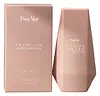
This hybrid sunscreen covers the full UV range and blocks ~98% of UVB at SPF 50.


What's inside
What's inside
 Key Ingredients
Benefits
Concerns
Ingredients Side-by-side
Water
Skin ConditioningPanthenol 10%
Skin Conditioning




Squalane
Emollient
Butylene Glycol
Humectant
1,2-Hexanediol
Skin Conditioning
Niacinamide
Smoothing






Bambusa Vulgaris Extract
Skin Conditioning
Hydrolyzed Jojoba Esters
Skin Conditioning

Acrylates/C10-30 Alkyl Acrylate Crosspolymer
Emulsion StabilisingAmmonium Acryloyldimethyltaurate/Vp Copolymer
Hydroxyacetophenone
Antioxidant
Tromethamine
BufferingDipotassium Glycyrrhizate
Humectant
Ethylhexylglycerin
Skin ConditioningXanthan Gum
EmulsifyingDisodium EDTA
Sodium Hyaluronate
Humectant
Madecassoside
Antioxidant
Asiaticoside
Antioxidant
Asiatic Acid
Skin Conditioning
Madecassic Acid
Skin Conditioning
Copper Tripeptide-1
Skin Conditioning
Water, Panthenol 10%, Squalane, Butylene Glycol, 1,2-Hexanediol, Niacinamide, Bambusa Vulgaris Extract, Hydrolyzed Jojoba Esters, Acrylates/C10-30 Alkyl Acrylate Crosspolymer, Ammonium Acryloyldimethyltaurate/Vp Copolymer, Hydroxyacetophenone, Tromethamine, Dipotassium Glycyrrhizate, Ethylhexylglycerin, Xanthan Gum, Disodium EDTA, Sodium Hyaluronate, Madecassoside, Asiaticoside, Asiatic Acid, Madecassic Acid, Copper Tripeptide-1
Water
Skin ConditioningIsododecane
EmollientPolysorbate 20
Emulsifying
Butylene Glycol
Humectant
Sodium Acrylates/Beheneth-25 Methacrylate Crosspolymer
Skin ConditioningMethyl Methacrylate Crosspolymer
Hydrogenated Polydecene
EmollientLauryl Glucoside
CleansingDimethicone
Emollient
Trimethylsiloxysilicate
Emollient
Ethylhexyl Methoxycinnamate
UV Absorber


Titanium Dioxide
Cosmetic Colorant
Triethoxycaprylylsilane
PEG-20 Methyl Glucose Sesquistearate
Emulsifying
Polyhydroxystearic Acid
Emulsifying
Neopentyl Glycol Diethylhexanoate
Emollient
Phenoxyethanol
Preservative
Iron Oxides
Triethanolamine
BufferingOctyldodecanol
Emollient
Echium Plantagineum Seed Oil
Skin Conditioning
Helianthus Annuus Seed Oil
Emollient
Cardiospermum Halicacabum Seed Extract
AntimicrobialCardiospermum Halicacabum Flower/Leaf/Vine Extract
Skin ConditioningNelumbo Nucifera Leaf Extract
Skin ConditioningAcrylates/C10-30 Alkyl Acrylate Crosspolymer
Emulsion StabilisingPEG-240
HumectantEthyl Ether
SolventSphingomonas Ferment Extract
Skin Conditioning
Disodium EDTA
Water, Isododecane, Polysorbate 20, Butylene Glycol, Sodium Acrylates/Beheneth-25 Methacrylate Crosspolymer, Methyl Methacrylate Crosspolymer, Hydrogenated Polydecene, Lauryl Glucoside, Dimethicone, Trimethylsiloxysilicate, Ethylhexyl Methoxycinnamate, Titanium Dioxide, Triethoxycaprylylsilane, PEG-20 Methyl Glucose Sesquistearate, Polyhydroxystearic Acid, Neopentyl Glycol Diethylhexanoate, Phenoxyethanol, Iron Oxides, Triethanolamine, Octyldodecanol, Echium Plantagineum Seed Oil, Helianthus Annuus Seed Oil, Cardiospermum Halicacabum Seed Extract, Cardiospermum Halicacabum Flower/Leaf/Vine Extract, Nelumbo Nucifera Leaf Extract, Acrylates/C10-30 Alkyl Acrylate Crosspolymer, PEG-240, Ethyl Ether, Sphingomonas Ferment Extract, Disodium EDTA
Reviews
Ingredients Explained
These ingredients are found in both products.
Ingredients higher up in an ingredient list are typically present in a larger amount.
Acrylates/C10-30 Alkyl Acrylate Crosspolymer is a synthetic polymer. It is used to thicken, emulsify, and improve the texture of products.
As an emulsifier, it helps stabilize oil-in-water emulsions to give products an elegant feel when applied.
It can also form a thin protective film on skin. One study found that a formula using this polymer helped slow down how quickly other ingredients (like DEET) were absorbed through skin.
A 2024 study of over 1,300 patients confirmed that sensitization to this ingredient is rare. It is also non-mutagenic and has a clean track record.
Learn more about Acrylates/C10-30 Alkyl Acrylate CrosspolymerButylene Glycol (or BG) is used within cosmetic products for a few different reasons:
Overall, Butylene Glycol is a safe and well-rounded ingredient that works well with other ingredients.
Though this ingredient works well with most skin types, some people with sensitive skin may experience a reaction such as allergic rashes, closed comedones, or itchiness.
Learn more about Butylene GlycolDisodium EDTA is a chelating agent. It grabs onto and deactivates metal ions that sneak into your products from water, packaging, or air.
This ingredient mainly works behind the scenes and helps with:
On top of that, this ingredient can counteract the effects of hard water by binding to the minerals in it.
One thing worth knowing is that Disodium EDTA has been shown to be a mild penetration enhancer. It can help other ingredients absorb into skin more effectively which can be a double-edged sword (great for actives, but can also make the active too strong if you have sensitive skin).
Clinical patch testing showed no significant skin irritation at typical use concentrations and minimal dermal absorption.
You'll most likely see this ingredient near the end of an ingredient list. It's typically found in concentrations less than 1%.
Learn more about Disodium EDTAWater. It's the most common cosmetic ingredient of all. You'll usually see it at the top of ingredient lists, meaning that it makes up the largest part of the product.
So why is it so popular? Water most often acts as a solvent - this means that it helps dissolve other ingredients into the formulation.
You'll also recognize water as that liquid we all need to stay alive. If you see this, drink a glass of water. Remember to stay hydrated!
Learn more about Water

