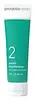
This pore-care serum is formulated around Azelaic Acid to refine the look of pores and calm redness.
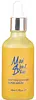
This calming serum is formulated around Azelaic Acid and Ascorbyl Glucoside to calm redness and fade the look of dark spots.


What's inside
What's inside
 Key Ingredients
Benefits
Concerns
No concerns
Ingredients Side-by-side
Water
Skin ConditioningPropanediol
Solvent

Glycerin
Humectant
Azelaic Acid
Buffering








Squalane
Emollient
Dicaprylyl Carbonate
EmollientSclerotium Gum
Emulsion StabilisingPentylene Glycol
Skin Conditioning
Caprylyl Glycol
Emollient
Hydrogenated Lecithin
Emulsifying
Allantoin
Skin Conditioning
Ethylhexylglycerin
Skin ConditioningGlyceryl Acrylate/Acrylic Acid Copolymer
HumectantXanthan Gum
EmulsifyingBisabolol
Antioxidant
Tocopheryl Acetate
Antioxidant
Hydrolyzed Sodium Hyaluronate
Skin Conditioning
Tetrasodium Glutamate Diacetate
Tocopherol
Antioxidant
Polylysine
Water, Propanediol, Glycerin, Azelaic Acid, Squalane, Dicaprylyl Carbonate, Sclerotium Gum, Pentylene Glycol, Caprylyl Glycol, Hydrogenated Lecithin, Allantoin, Ethylhexylglycerin, Glyceryl Acrylate/Acrylic Acid Copolymer, Xanthan Gum, Bisabolol, Tocopheryl Acetate, Hydrolyzed Sodium Hyaluronate, Tetrasodium Glutamate Diacetate, Tocopherol, Polylysine
Water
Skin ConditioningButylene Glycol
Humectant
Azelaic Acid
Buffering
Ascorbyl Glucoside
Antioxidant
Hexylene Glycol
EmulsifyingAcrylates/C10-30 Alkyl Acrylate Crosspolymer
Emulsion StabilisingGlycerin
Humectant
Acetyl Hexapeptide-8
Humectant
Acetyl Octapeptide-3
Humectant
Cucumis Sativus Fruit Extract
Emollient
Glucose
Humectant
Fructose
Humectant
Panthenol
Skin Conditioning
Chondrus Crispus Extract
Skin Conditioning
Pollen Extract
EmollientTilia Platyphyllos Extract
Skin ConditioningMel Extract
MoisturisingMalva Sylvestris Leaf Extract
Skin ConditioningUbiquinone
Antioxidant
Calendula Officinalis Flower Extract
Masking
Sucrose
Humectant
Urea
Buffering
Alanine
Masking
Aspartic Acid
Masking
Glutamic Acid
Humectant
Dextrin
AbsorbentHexyl Nicotinate
EmollientBenzyl Alcohol
Perfuming





Dehydroacetic Acid
Preservative
Benzoic Acid
Masking
Phenoxyethanol
Preservative
Citric Acid
Buffering

Sorbic Acid
Preservative
Caprylyl Glycol
Emollient
Water, Butylene Glycol, Azelaic Acid, Ascorbyl Glucoside, Hexylene Glycol, Acrylates/C10-30 Alkyl Acrylate Crosspolymer, Glycerin, Acetyl Hexapeptide-8, Acetyl Octapeptide-3, Cucumis Sativus Fruit Extract, Glucose, Fructose, Panthenol, Chondrus Crispus Extract, Pollen Extract, Tilia Platyphyllos Extract, Mel Extract, Malva Sylvestris Leaf Extract, Ubiquinone, Calendula Officinalis Flower Extract, Sucrose, Urea, Alanine, Aspartic Acid, Glutamic Acid, Dextrin, Hexyl Nicotinate, Benzyl Alcohol, Dehydroacetic Acid, Benzoic Acid, Phenoxyethanol, Citric Acid, Sorbic Acid, Caprylyl Glycol
Reviews
Ingredients Explained
These ingredients are found in both products.
Ingredients higher up in an ingredient list are typically present in a larger amount.
Azelaic acid is a multitasker ingredient that helps treat acne, pigmentation, and irritation. It is a great option for sensitive skin.
What makes it special?
OTC Azelaic acid is usually available in concentrations from 10-15% and anything over requires a prescription.
Here's what each tier does best:
Unlike other acids, azelaic acid will not make your skin more photosensitive/sun sensitive.
Though this ingredient is naturally occurring in grains like wheat, rye, and barley, it is usually synthetically created for cosmetics to ensure stability and effectiveness.
Learn more about Azelaic AcidCaprylyl Glycol is a humectant, skin conditioner, emollient, and preservative booster derived from either caprylic acid or synthetically created.
Typical use levels vary from 0.3-1% as a preservative booster and go up to 2% to condition skin.
Because it is not a free-fatty acid, this ingredient is fungal acne safe (there's nothing for Malassezia to feed on).
Learn more about Caprylyl GlycolGlycerin (or glycerol) is a compound naturally found in your skin. It's a powerhouse humectant that pulls water into the stratum corneum.
Topically, glycerin does several things at once:
Your skin makes glycerin on its own (mostly from sebaceous oil breakdown) and shuttles it to your outermost layer of skin, or your epidermis, via aquaporin-3.
Aquaporin-3 is a transporter that is essential for normal skin hydration, elasticity, and repair. Interestingly, mice lacking in AQP3 have dry and less elastic skin that can be fully corrected with glycerin.
This ingredient is non-irritating, plays well with almost every ingredient, and works across all skin types. Typical use is anywhere between 3-10% but can go up to 79% in some leave-on products.
Just know very high concentrations (>40%) can feel tacky in low humidity.
Glycerin is the name for this ingredient in American English. British English uses Glycerol/Glycerine.
Learn more about GlycerinWater. It's the most common cosmetic ingredient of all. You'll usually see it at the top of ingredient lists, meaning that it makes up the largest part of the product.
So why is it so popular? Water most often acts as a solvent - this means that it helps dissolve other ingredients into the formulation.
You'll also recognize water as that liquid we all need to stay alive. If you see this, drink a glass of water. Remember to stay hydrated!
Learn more about Water

