
What's inside
What's inside
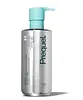 Key Ingredients
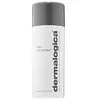
Benefits
Concerns
Ingredients Side-by-side
Glycerin
Humectant



Water
Skin ConditioningCocamidopropyl Betaine
Cleansing

Disodium Cocoamphodiacetate
CleansingCocamidopropyl Dimethylamine
EmulsifyingSalicylic Acid
Masking





Inulin
Skin ConditioningZinc PCA
Humectant

Succinic Acid
BufferingCarthamus Tinctorius Seed Oil
Masking

Olea Europaea Fruit Oil
Masking
Phenoxyethanol
Preservative
Citric Acid
Buffering

Sodium Chloride
Masking
Polyquaternium-10
Sodium Hydroxide
BufferingPolysorbate 20
Emulsifying
Ethylhexylglycerin
Skin ConditioningTetrasodium Glutamate Diacetate
Xanthan Gum
EmulsifyingPolysorbate 80
Emulsifying
Lecithin
Emollient
Glycerin, Water, Cocamidopropyl Betaine, Disodium Cocoamphodiacetate, Cocamidopropyl Dimethylamine, Salicylic Acid, Inulin, Zinc PCA, Succinic Acid, Carthamus Tinctorius Seed Oil, Olea Europaea Fruit Oil, Phenoxyethanol, Citric Acid, Sodium Chloride, Polyquaternium-10, Sodium Hydroxide, Polysorbate 20, Ethylhexylglycerin, Tetrasodium Glutamate Diacetate, Xanthan Gum, Polysorbate 80, Lecithin
Microcrystalline Cellulose
AbsorbentMagnesium Oxide
AbsorbentSodium Cocoyl Isethionate
CleansingColloidal Oatmeal
Absorbent
Disodium Lauryl Sulfosuccinate
CleansingSodium Lauroyl Glutamate
Oryza Sativa Bran Extract
Skin Conditioning
Oryza Sativa Starch
AbsorbentHydrogenated Coconut Acid
Emollient
Allantoin
Skin Conditioning
Papain
Skin ConditioningSalicylic Acid
Masking
Ginkgo Biloba Leaf Extract
Skin Conditioning
Camellia Sinensis Leaf Extract
Antimicrobial

Glycyrrhiza Glabra Root Extract
Bleaching
PCA
Humectant
Populus Tremuloides Bark Extract
AntiseborrhoeicCyclodextrin
AbsorbentSodium Isethionate
CleansingLauryl Methacrylate
Maltodextrin
Absorbent
Melaleuca Alternifolia Leaf Oil
Antioxidant
Citrus Paradisi Peel Oil
Masking
Sodium Dehydroacetate
Preservative
Hydrolyzed Corn Starch Hydroxyethyl Ether
Emulsion StabilisingWater
Skin ConditioningLimonene
Perfuming

Citric Acid
Buffering
Microcrystalline Cellulose, Magnesium Oxide, Sodium Cocoyl Isethionate, Colloidal Oatmeal, Disodium Lauryl Sulfosuccinate, Sodium Lauroyl Glutamate, Oryza Sativa Bran Extract, Oryza Sativa Starch, Hydrogenated Coconut Acid, Allantoin, Papain, Salicylic Acid, Ginkgo Biloba Leaf Extract, Camellia Sinensis Leaf Extract, Glycyrrhiza Glabra Root Extract, PCA, Populus Tremuloides Bark Extract, Cyclodextrin, Sodium Isethionate, Lauryl Methacrylate, Maltodextrin, Melaleuca Alternifolia Leaf Oil, Citrus Paradisi Peel Oil, Sodium Dehydroacetate, Hydrolyzed Corn Starch Hydroxyethyl Ether, Water, Limonene, Citric Acid
Reviews
Ingredients Explained
These ingredients are found in both products.
Ingredients higher up in an ingredient list are typically present in a larger amount.
Citric Acid is an alpha hydroxy acid (AHA) naturally found in citrus fruits like oranges, lemons, and limes.
Like other AHAs, citric acid can exfoliate skin by breaking down the bonds that hold dead skin cells together. This helps reveal smoother and brighter skin underneath.
However, this exfoliating effect only happens at high concentrations (20%) which can be hard to find in cosmetic products.
Due to this, citric acid is usually included in small amounts as a pH adjuster. This helps keep products slightly more acidic and compatible with skin's natural pH.
In skincare formulas, citric acid can:
While it can provide some skin benefits, research shows lactic acid and glycolic acid are generally more effective and less irritating exfoliants.
Most citric acid used in skincare today is made by fermenting sugars (usually from molasses). This synthetic version is identical to the natural citrus form but easier to stabilize and use in formulations.
Read more about some other popular AHA's here:
Learn more about Citric AcidSalicylic Acid (also known as beta hydroxy acid or BHA) is a well-known ingredient for treating skin that struggles with acne and clogged pores. It exfoliates both the skin's surface and deep within the pores to help clear out buildup, control oil, and reduce inflammation.
Unlike AHAs (alpha hydroxy acids), salicylic acid is oil-soluble. This allows it to penetrate into pores which makes it especially effective for treating blackheads and preventing future breakouts.
Salicylic acid is also known for its soothing properties. It has a similar structure to aspirin and can calm inflamed or irritated skin, making it a good option for acne-prone skin that is also sensitive.
Concentrations of 0.5-2% are recognized by the U.S. FDA as an over-the-counter topical acne product.
It can cause irritation and/or dryness if one's skin already has a compromised moisture barrier, so it's best to focus on repairing that before introducing this ingredient into your routine.
While salicylic acid does not increase sun sensitivity, it’s still important to wear sunscreen daily to protect your skin.
If you are looking for the ingredient called BHA or Butylated Hydroxyanisole, click here.
Learn more about Salicylic AcidWater. It's the most common cosmetic ingredient of all. You'll usually see it at the top of ingredient lists, meaning that it makes up the largest part of the product.
So why is it so popular? Water most often acts as a solvent - this means that it helps dissolve other ingredients into the formulation.
You'll also recognize water as that liquid we all need to stay alive. If you see this, drink a glass of water. Stay hydrated!
Learn more about Water
