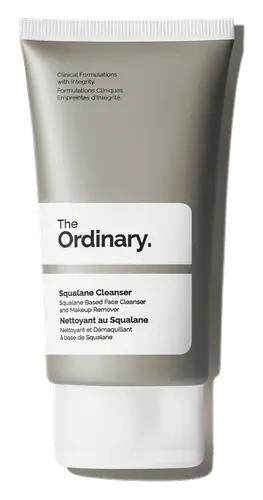
Prequel Pre-Gleanse Cleansing Oil Versus Prequel Gleanser + SA Non-Drying Salicylic Acid Cleanser For Face + Body
This oil-based makeup remover is made to dissolve makeup, sunscreen, and daily buildup.
This salicylic acid gel cleanser is formulated around Salicylic Acid to clear breakouts and unclog pores.

What's inside
What's inside
 Key Ingredients
Benefits
Concerns
Ingredients Side-by-side






Glycerin
Humectant


Water
Skin ConditioningCocamidopropyl Betaine
Cleansing



Disodium Cocoamphodiacetate
CleansingCocamidopropyl Dimethylamine
Emulsifying
Salicylic Acid 1%
Masking







Inulin
Skin Conditioning
Zinc PCA
Humectant

Succinic Acid
BufferingCarthamus Tinctorius Seed Oil
Masking

Olea Europaea Fruit Oil
Masking

Phenoxyethanol
Preservative
Citric Acid
Buffering
Hexylene Glycol
EmulsifyingPolyquaternium-10
Sodium Hydroxide
BufferingPolysorbate 20
Emulsifying
Ethylhexylglycerin
Skin ConditioningTetrasodium Glutamate Diacetate
ChelatingXanthan Gum
EmulsifyingPolysorbate 80
Emulsifying
Lecithin
Emollient
Glycerin, Water, Cocamidopropyl Betaine, Disodium Cocoamphodiacetate, Cocamidopropyl Dimethylamine, Salicylic Acid 1%, Inulin, Zinc PCA, Succinic Acid, Carthamus Tinctorius Seed Oil, Olea Europaea Fruit Oil, Phenoxyethanol, Citric Acid, Hexylene Glycol, Polyquaternium-10, Sodium Hydroxide, Polysorbate 20, Ethylhexylglycerin, Tetrasodium Glutamate Diacetate, Xanthan Gum, Polysorbate 80, Lecithin
Reviews
Ingredients Explained
These ingredients are found in both products.
Ingredients higher up in an ingredient list are typically present in a larger amount.
Lecithin is a term for a group of substances found in the cell membranes of plants, animals, and humans. They are made up of phospholipids.
Thanks to its amphiphilic structure (water-loving head and oil-loving tail), it is a true multitasker:
It plays well with most ingredients and is typically used at 0.1-1%. However, concentrations up to 50% have been reported in moisturizers.
Learn more about Lecithin