
What's inside
What's inside
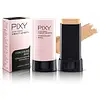 Key Ingredients
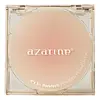
Benefits
Concerns
Ingredients Side-by-side
Cyclopentasiloxane
Emollient
Caprylyl Methicone
Skin Conditioning
Dimethicone
Emollient
Titanium Dioxide
Cosmetic Colorant

Triethoxycaprylylsilane
Talc
Abrasive
Methicone
Emollient
Mica
Cosmetic ColorantCI 77491
Cosmetic ColorantCI 77492
Cosmetic ColorantPEG-10 Dimethicone
Skin Conditioning
Hdi/Trimethylol Hexyllactone Crosspolymer
Methyl Methacrylate Crosspolymer

Ascorbyl Tetraisopalmitate
Antioxidant




Tocopheryl Acetate
Antioxidant

Water
Skin ConditioningEthylhexyl Methoxycinnamate
UV Absorber
Butyl Methoxydibenzoylmethane
UV Absorber
Benzophenone-3
UV Absorber
Phospholipids
Skin Conditioning

Butylene Glycol
Humectant
Caprylhydroxamic Acid
Hexanediol
SolventPropanediol
Solvent
Vinyldimethicone
Dimethicone Crosspolymer
Emulsion Stabilising
Galactoarabinan

Sodium Chloride
MaskingDipotassium Glycyrrhizate
Humectant
Cyclopentasiloxane, Caprylyl Methicone, Dimethicone, Titanium Dioxide, Triethoxycaprylylsilane, Talc, Methicone, Mica, CI 77491, CI 77492, PEG-10 Dimethicone, Hdi/Trimethylol Hexyllactone Crosspolymer, Methyl Methacrylate Crosspolymer, Ascorbyl Tetraisopalmitate, Tocopheryl Acetate, Water, Ethylhexyl Methoxycinnamate, Butyl Methoxydibenzoylmethane, Benzophenone-3, Phospholipids, Butylene Glycol, Caprylhydroxamic Acid, Hexanediol, Propanediol, Vinyldimethicone, Dimethicone Crosspolymer, Galactoarabinan, Sodium Chloride, Dipotassium Glycyrrhizate
Talc
Abrasive
Mica
Cosmetic ColorantSilica
Abrasive
Caprylic/Capric Triglyceride
Masking
Nylon-12
Magnesium Myristate


Phenyl Trimethicone
Skin Conditioning
Kaolin
Abrasive
Ectoin
Skin Conditioning

Ethylhexyl Methoxycinnamate
UV Absorber
Tocopherol
Antioxidant
Ascorbic Acid
Antioxidant
Squalane
Emollient
Ceramide EOP
Skin Conditioning
Diisostearyl Malate
EmollientPhenoxyethanol
Preservative
Ingredients Explained
These ingredients are found in both products.
Ingredients higher up in an ingredient list are typically present in a larger amount.
This ingredient is also known as Octinoxate and is one of the oldest and most widely used chemical UV filters in skincare.
It has a simple job: soap up UVB radiation (290-320 nm), the wavelengths responsible for sunburn and a big chunk of long-term sun damage.
In formulas, it's always paired with a separate UVA filter because octinoxate solely protects skin from UVB.
Because it's an oil-soluble liquid, it's easy to blend into the oil phase of lotions/creams and gives a cosmetically elegant feel.
The one quirk about formulating this ingredient is photostability; the molecule slowly changes shape into a less effective version when sunlight hits it. So the longer you're in the sun, the weaker its protection gets. The drop can be more than 30% in some formulas.
It also doesn't play nice with Avobenzone (the common UVA filter) since avobenzone destabilizes octinoxate and the two degrade each other. But don't worry: brands have solved this issue by adding photostabilizers like Tinosorb S to prevent degradation and keep SPF stable under heavy UV exposure.
The maximum allowed level is 10% in the EU and Australia, 7.5% in the US and Canada, and 20% in Japan.
The Cosmetic Ingredient Review Panel has concluded this ingredient to be safe in cosmetics up to 10%.
One last thing worth knowing for context:
Octinoxate has been the subject of ongoing review in Europe where the Scientific Committee on Consumer Safety's (SCCS) 2025 final opinion is that this ingredient is an endocrine-active substance.
Lab and animal studies suggest it can act a bit like a hormone in the body (mildly mimicking estrogen and slightly blocking male hormones). It's important to know this hasn't really been shown to happen in everyday human use.
This ingredient is also banned in Hawaii over coral reef concerns.
Learn more about Ethylhexyl MethoxycinnamateMica is a naturally occurring mineral used to add shimmer and color in cosmetics. It can also help improve the texture of a product or give it an opaque, white/silver color.
Serecite is the name for very fine but ragged grains of mica.
This ingredient is often coated with metal oxides like titanium dioxide. Trace amounts of heavy metals may be found in mica, but these metals are not harmful in our personal products.
Mica has been used since prehistoric times throughout the world. Ancient Egyptian, Indian, Greek, Roman, Aztec, and Chinese civilizations have used mica.
Learn more about MicaTalc is a clay mineral. It helps absorb moisture and improve the texture of products. Like other types of clay, Talc can have a slight exfoliating effect on skin. Talc can be added to increase the volume of products.
Some Baby powders are made by combining talc with corn starch. The word "talc" comes from Latin and originates from Arabic. Talc is a mineral commonly found throughout the world.
If you have any concerns about using talc, we recommend checking out the FDA's official page.
Learn more about Talc

