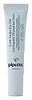
This anti-aging eye moisturizer is formulated around Squalane and Chenopodium Quinoa Seed Extract to soften the look of wrinkles and hydrate skin.
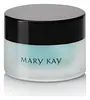
This calming eye moisturizer is formulated around Camellia Sinensis Leaf Extract and Cucumis Sativus Fruit Extract to calm redness and hydrate skin.

What's inside
What's inside
 Key Ingredients
Benefits
Concerns
No concerns
Ingredients Side-by-side
Water
Skin ConditioningSqualane
Emollient


Chenopodium Quinoa Seed Extract
Skin Conditioning
Caffeine
Skin Conditioning
Sodium Carbomer
Emulsion StabilisingSodium Hyaluronate
Humectant

Hydroxyacetophenone
Antioxidant
1,2-Hexanediol
Skin Conditioning
Caprylyl Glycol
Emollient
Mica
Cosmetic ColorantPhytic Acid
Chelating

Tocopherol
Antioxidant

CI 77891
Cosmetic ColorantMaltodextrin
Absorbent
Sodium Benzoate
Masking
Sodium Hydroxide
BufferingGardenia Florida Fruit Extract
Skin ConditioningWater
Skin ConditioningButylene Glycol
Humectant
Glycerin
Humectant
Camellia Sinensis Leaf Extract
Antimicrobial

Cucumis Sativus Fruit Extract
Emollient
Hamamelis Virginiana Bark/Leaf/Twig Extract
Skin Conditioning

Chamomilla Recutita Flower Extract
Masking
Symphytum Officinale Leaf Extract
Skin ConditioningRosa Canina Fruit Extract
Astringent
Euphrasia Officinalis Extract
AntimicrobialSodium Hyaluronate
Humectant
Triethanolamine
BufferingAcrylates/C10-30 Alkyl Acrylate Crosspolymer
Emulsion StabilisingGlyceryl Acrylate/Acrylic Acid Copolymer
HumectantBenzophenone-4
UV Absorber
Propylene Glycol
Humectant
Disodium EDTA
ChelatingHydroxyacetophenone
Antioxidant
Potassium Benzoate
Preservative
Potassium Sorbate
Preservative
Phenoxyethanol
Preservative
Pentylene Glycol
Skin Conditioning
Propanediol
Solvent
Caprylyl Glycol
Emollient
Ethylhexylglycerin
Skin ConditioningCitric Acid
Buffering
CI 42090
Cosmetic ColorantWater, Butylene Glycol, Glycerin, Camellia Sinensis Leaf Extract, Cucumis Sativus Fruit Extract, Hamamelis Virginiana Bark/Leaf/Twig Extract, Chamomilla Recutita Flower Extract, Symphytum Officinale Leaf Extract, Rosa Canina Fruit Extract, Euphrasia Officinalis Extract, Sodium Hyaluronate, Triethanolamine, Acrylates/C10-30 Alkyl Acrylate Crosspolymer, Glyceryl Acrylate/Acrylic Acid Copolymer, Benzophenone-4, Propylene Glycol, Disodium EDTA, Hydroxyacetophenone, Potassium Benzoate, Potassium Sorbate, Phenoxyethanol, Pentylene Glycol, Propanediol, Caprylyl Glycol, Ethylhexylglycerin, Citric Acid, CI 42090
Ingredients Explained
These ingredients are found in both products.
Ingredients higher up in an ingredient list are typically present in a larger amount.
Caprylyl Glycol is a humectant, skin conditioner, emollient, and preservative booster derived from either caprylic acid or synthetically created.
Typical use levels vary from 0.3-1% as a preservative booster and go up to 2% to condition skin.
Because it is not a free-fatty acid, this ingredient is fungal acne safe (there's nothing for Malassezia to feed on).
Learn more about Caprylyl GlycolHydroxyacetophenone is a small phenolic molecule that earns its place in a formulas as an antioxidant and preservative booster.
As a phenol, it is able to neutralize free radicals to protect both the product and the skin from oxidative stress.
Though it can't kill microbes on its own, it works as a good supporting agent when combined with other preservatives like Phenoxyethanol or 1,2-Hexanediol.
This ingredient naturally occurs as piceol in Norwegian spruce needles (~0.4-1.1% dry weight and in cloudberries). Though the cosmetic-grade material is synthesized for purity and consistency.
You'll usually see it used at low levels and suppliers recommend up to 1% added to a water phase.
Safety testing was done at concentrations like 0.05% in SPF products and 0.5% in a Human Repeated Insult Patch Test. The safety evidence is assuring; this ingredient is safe for cosmetics in current use and also holds safety status as a food flavoring as well.
An honest caveat: the "soothing" and "anti-inflammatory" claims come mostly from supplier marketing rather than published clinical trials. The Cosmetic Ingredient Review's own literature search found no useful efficacy studies on this ingredient.
So the antioxidant and preservative-boosting roles are the well supported ones while the calming benefit is plausible but thinly evidenced.
Overall, this is a well-tolerated, low-irritation multitasker that quietly helps a formula stay fresh and stable.
Learn more about HydroxyacetophenoneSodium Hyaluronate is the salt form of hyaluronic acid. It is a long sugar chain that is naturally found in your skin, joints, and connective tissue that maintains hydration and elasticity.
In skincare, it works as a humectant. It pulls water from the environment and deeper layers of skin and binds it to the surface.
Interestingly, the size of the molecule affects its behavior:
Some clinical evidence links low molecular weight versions to improved wrinkle depth, elasticity, anti-inflammatory effects, and barrier repair.
Many serums use a blend of both weights so you can get surface hydration plus longer-lasting and deeper effects.
You'll typically see concentrations between 0.1-2% for this ingredient.
Learn more about Sodium HyaluronateWater. It's the most common cosmetic ingredient of all. You'll usually see it at the top of ingredient lists, meaning that it makes up the largest part of the product.
So why is it so popular? Water most often acts as a solvent - this means that it helps dissolve other ingredients into the formulation.
You'll also recognize water as that liquid we all need to stay alive. If you see this, drink a glass of water. Remember to stay hydrated!
Learn more about Water

