

What's inside
What's inside
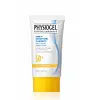 Key Ingredients
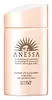
Benefits
Concerns
Ingredients Side-by-side
Water
Skin ConditioningZinc Oxide
Cosmetic Colorant


Dimethicone
Emollient

Butyloctyl Salicylate
Skin Conditioning
Polyglyceryl-3 Polydimethylsiloxyethyl Dimethicone
Skin Conditioning
Dipropylene Glycol
HumectantGlycerin
Humectant

Lauryl Polyglyceryl-3 Polydimethylsiloxyethyl Dimethicone
Skin Conditioning
1,2-Hexanediol
Skin Conditioning
Disteardimonium Hectorite
StabilisingPanthenol
Skin Conditioning

Polymethylsilsesquioxane
Dimethicone/Polyglycerin-3 Crosspolymer
Cleansing
Triethoxycaprylylsilane
Benzotriazolyl Dodecyl P-Cresol
UV AbsorberPCA Dimethicone
Skin Conditioning
Caprylic/Capric Triglyceride
Masking
Distearyldimonium Chloride
Acetamide Mea
HumectantVetiveria Zizanoides Root Oil
Masking


Myristica Fragrans Extract
MaskingPalmitamide Mea
Sarcosine
Skin Conditioning
Squalane
Emollient
Sodium Citrate
BufferingPiper Nigrum Fruit Oil
Masking
Tocopherol
Antioxidant



Zingiber Officinale Root Oil
Masking
Madecassoside
Antioxidant
Cinnamomum Cassia Leaf Oil
Masking


Ceramide NP
Skin Conditioning
Hydrogenated Lecithin
Emulsifying
Rosa Damascena Flower Oil
Masking
Water, Zinc Oxide, Dimethicone, Butyloctyl Salicylate, Polyglyceryl-3 Polydimethylsiloxyethyl Dimethicone, Dipropylene Glycol, Glycerin, Lauryl Polyglyceryl-3 Polydimethylsiloxyethyl Dimethicone, 1,2-Hexanediol, Disteardimonium Hectorite, Panthenol, Polymethylsilsesquioxane, Dimethicone/Polyglycerin-3 Crosspolymer, Triethoxycaprylylsilane, Benzotriazolyl Dodecyl P-Cresol, PCA Dimethicone, Caprylic/Capric Triglyceride, Distearyldimonium Chloride, Acetamide Mea, Vetiveria Zizanoides Root Oil, Myristica Fragrans Extract, Palmitamide Mea, Sarcosine, Squalane, Sodium Citrate, Piper Nigrum Fruit Oil, Tocopherol, Zingiber Officinale Root Oil, Madecassoside, Cinnamomum Cassia Leaf Oil, Ceramide NP, Hydrogenated Lecithin, Rosa Damascena Flower Oil
Water
Skin ConditioningDimethicone
Emollient
Diisopropyl Sebacate
EmollientButylene Glycol
Humectant
Caprylyl Methicone
Skin Conditioning
Cetyl Ethylhexanoate
EmollientTitanium Dioxide
Cosmetic Colorant
Pentaerythrityl Tetraethylhexanoate
Emollient
Triethylhexanoin
MaskingDiethylhexyl Succinate
EmollientZinc Oxide
Cosmetic Colorant
Dipropylene Glycol
HumectantSilica
Abrasive

Glycerin
Humectant
PEG-9 Polydimethylsiloxyethyl Dimethicone
Emulsifying
Diethylamino Hydroxybenzoyl Hexyl Benzoate
UV Filter
Bis-Ethylhexyloxyphenol Methoxyphenyl Triazine
Skin Conditioning
PEG/PPG-14/7 Dimethyl Ether
Skin ConditioningSodium Chloride
MaskingThiotaurine
Antioxidant
Potentilla Erecta Root Extract
Skin ConditioningDipotassium Glycyrrhizate
Humectant
Angelica Keiskei Leaf/Stem Extract
Skin ConditioningSodium Acetylated Hyaluronate
Humectant
PEG-10 Dimethicone
Skin Conditioning
Aluminum Hydroxide
EmollientDisteardimonium Hectorite
StabilisingEthylhexyl Triazone
UV Absorber
PEG-12 Dimethicone
Skin Conditioning
Stearic Acid
Cleansing

Hydrogen Dimethicone
Beheneth-20
EmulsifyingSodium Citrate
BufferingCitric Acid
Buffering
Sodium Metaphosphate
BufferingSodium Metabisulfite
Antioxidant
Prunus Yedoensis Leaf Extract
Skin ConditioningCarbomer
Emulsion StabilisingTrifluoropropyldimethyl/Trimethylsiloxysilicate
EmollientTocopherol
Antioxidant
Phenoxyethanol
Preservative
Benzoic Acid
Masking
CI 77120
Cosmetic ColorantWater, Dimethicone, Diisopropyl Sebacate, Butylene Glycol, Caprylyl Methicone, Cetyl Ethylhexanoate, Titanium Dioxide, Pentaerythrityl Tetraethylhexanoate, Triethylhexanoin, Diethylhexyl Succinate, Zinc Oxide, Dipropylene Glycol, Silica, Glycerin, PEG-9 Polydimethylsiloxyethyl Dimethicone, Diethylamino Hydroxybenzoyl Hexyl Benzoate, Bis-Ethylhexyloxyphenol Methoxyphenyl Triazine, PEG/PPG-14/7 Dimethyl Ether, Sodium Chloride, Thiotaurine, Potentilla Erecta Root Extract, Dipotassium Glycyrrhizate, Angelica Keiskei Leaf/Stem Extract, Sodium Acetylated Hyaluronate, PEG-10 Dimethicone, Aluminum Hydroxide, Disteardimonium Hectorite, Ethylhexyl Triazone, PEG-12 Dimethicone, Stearic Acid, Hydrogen Dimethicone, Beheneth-20, Sodium Citrate, Citric Acid, Sodium Metaphosphate, Sodium Metabisulfite, Prunus Yedoensis Leaf Extract, Carbomer, Trifluoropropyldimethyl/Trimethylsiloxysilicate, Tocopherol, Phenoxyethanol, Benzoic Acid, CI 77120
Reviews
Ingredients Explained
These ingredients are found in both products.
Ingredients higher up in an ingredient list are typically present in a larger amount.
Dimethicone is a type of synthetic silicone created from natural materials such as quartz. It is also known as polydimethylsiloxane.
What it does:
Dimethicone comes in different viscosities:
Depending on the viscosity, dimethicone has different properties.
Ingredients lists don't always show which type is used, so we recommend reaching out to the brand if you have questions about the viscosity.
This ingredient is unlikely to cause irritation because it does not get absorbed into skin. However, people with silicone allergies should be careful about using this ingredient.
Note: Dimethicone may contribute to pilling. This is because it is not oil or water soluble, so pilling may occur when layered with products. When mixed with heavy oils in a formula, the outcome is also quite greasy.
Learn more about DimethiconeDipropylene Glycol is a synthetically created humectant, stabilizer, and solvent.
This ingredient helps:
Dipropylene glycol is technically an alcohol, but it belongs to the glycol family (often considered part of the ‘good’ alcohols). This means it is hydrating and gentle on skin unlike drying solvent alcohols like denatured alcohol.
As a masking agent, Dipropylene Glycol can be used to cover the smell of other ingredients. However, it does not have a scent.
Studies show Dipropylene Glycol is considered safe to use in skincare.
Learn more about Dipropylene GlycolDisteardimonium Hectorite comes from the clay mineral named hectorite. It is used to add thickness to a product.
It can also help stabilize a product by helping to disperse other ingredients.
Hectorite is a rare, white clay mineral.
Learn more about Disteardimonium HectoriteGlycerin (or glycerol) is a compound naturally found in your skin. It's a powerhouse humectant that pulls water into the stratum corneum.
Topically, glycerin does several things at once:
Your skin makes glycerin on its own (mostly from sebaceous oil breakdown) and shuttles it to your outermost layer of skin, or your epidermis, via aquaporin-3.
Aquaporin-3 is a transporter that is essential for normal skin hydration, elasticity, and repair. Interestingly, mice lacking in AQP3 have dry and less elastic skin that can be fully corrected with glycerin.
This ingredient is non-irritating, plays well with almost every ingredient, and works across all skin types. Typical use is anywhere between 3-10% but can go up to 79% in some leave-on products.
Just know very high concentrations (>40%) can feel tacky in low humidity.
Glycerin is the name for this ingredient in American English. British English uses Glycerol/Glycerine.
Learn more about GlycerinSodium Citrate is the sodium salts of citric acid. In skincare, it is used to alter pH levels and acts as a preservative.
Its main functions are to maintain the pH of a product and neutralize metal ions.
The acidity of our skin is maintained by our glands and skin biome; normal pH level of skin is slightly acidic (~4.75-5.5).
Being slightly acidic allows our skin to create an "acid mantle". This acid mantle is a thin barrier that protects our skin from bacteria and contaminants.
Learn more about Sodium CitrateTocopherol is a fat-soluble antioxidant known as Vitamin E.
You'll find this ingredient in the vast majority of skincare (for good reason). It works to neutralize free radicals, or unstable molecules generated by UV exposure, pollution, and other environmental stressors, before they can cause oxidative damage to your skin cells.
Topically applied tocopherol has been shown to protect against UV damage by ramping up the skin's own natural defense enzymes.
It also acts as a skin conditioning agent; some studies show that regular topical use can improve the skin's water-binding capacity over 2-4 weeks.
This ingredient is especially loved for being a team player. When combined with Vitamin C, the photoprotective effect of both ingredients roughly doubles and the combo also helps reduce UV-induced DNA damage.
This ingredient has some brightening potential but it's more of a prevention ingredient than spot-fader. Cell studies show it can slow down melanin production but it's worth noting that it's not the most powerful brightener out there.
In formulations, it also serves as a stabilizer that helps protect other oxidation-prone ingredients from degrading.
Concentrations usually range from 0.1-1% in most leave-on products.
Learn more about TocopherolWater. It's the most common cosmetic ingredient of all. You'll usually see it at the top of ingredient lists, meaning that it makes up the largest part of the product.
So why is it so popular? Water most often acts as a solvent - this means that it helps dissolve other ingredients into the formulation.
You'll also recognize water as that liquid we all need to stay alive. If you see this, drink a glass of water. Remember to stay hydrated!
Learn more about WaterZinc Oxide is a mineral broad-spectrum UV filter; it is the broadest UVA and UVB reflector approved by the FDA. It also has skin protectant and skin soothing properties.
Zinc oxide is one of the most effective broad-spectrum UV filters. It protects against UVB, UVAII, and UVAI. In comparison to its counterpart titanium dioxide, zinc oxide provides uniform and extended UVA protection.
Another great benefit? This ingredient is highly photostable so it won't degrade easily under sunlight.
A common myth is that mineral UV filters are widely believed to primarily reflect UV light.
However, modern research shows titanium dioxide absorbs UV radiation like chemical filters (~95% absorption & 5% reflection).
Zinc oxide has great skin soothing properties so you'll likely find this in sunscreens formulated for sensitive skin or babies/children. It is unlikely to cause "eye sting" like other sunscreen ingredients.
Regulatory agencies consider zinc oxide to be non-toxic and safe. It has also been shown to not penetrate the skin.
Unfortunately, this ingredient does leave a visible white cast. This is why mineral sunscreens are often less cosmetically elegant than chemical or hybrid ones.
In cosmetics, zinc oxide can be found in both non-nano and nano-sized forms. The nano version is used to reduce white cast and improve the texture of sunscreen formulas.
There are ongoing concerns surrounding nano-zinc oxide's impact on marine ecosystems and whether it can be absorbed into skin.
Regarding marine ecosystems and coral reefs, there is no conclusive evidence that any form of zinc oxide (or any other sunscreen ingredients) will cause harm. The science is still developing but many consumers are keeping a close eye on this issue.
Please note, many destinations have reef-safety sunscreen rules. For instance, the U.S. Virgin Islands advises all visitors to use non-nano mineral sunscreens.
There has also been some stir about whether micronized or nano zinc oxide has potential photoxicity and absorption through the skin/lungs.
An in-vitro (done in a test tube or petri dish) study demonstrated micronized zinc oxide to have potential phototoxicity. There's no need to fret; the EU Commission's Scientific Committee on Consumer Safety has stated, "The relevance of these findings needs to be clarified by appropriate investigations in vivo." Or in other words, further studies done on living organisms are needed to prove this.
Current research shows zinc oxide nanoparticles do not penetrate intact or sunburned skin. They either remain on the surface or in the outermost layer of dead skin (stratum corneum).
Zinc oxide is one of only two classified mineral UV filters with titanium dioxide being the other one.
Fun fact: Zinc has been used throughout history as an ingredient in paint and medicine. An Indian text from 500BC is believed to list zinc oxide as a salve for open wound. The Ancient Greek physician Dioscorides has also mentioned the use of zinc as an ointment in 1AD.
Learn more about Zinc Oxide
