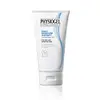
This mild gel cleanser is made to cleanse without leaving your skin tight or dry.
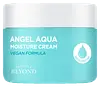
This barrier-repair moisturizer is formulated around Panthenol and Sodium Hyaluronate to strengthen the skin barrier and hydrate skin.

What's inside
What's inside
 Key Ingredients
Benefits
Concerns
No concerns
Ingredients Side-by-side
Water
Skin ConditioningGlycerin
Humectant


Sodium Cocoyl Alaninate
Surfactant
1,2-Hexanediol
Skin Conditioning
Disodium Cocoyl Glutamate
Cleansing
Xanthan Gum
EmulsifyingLauryl Hydroxysultaine
CleansingSodium Cocoyl Glutamate
Cleansing
Polyglyceryl-4 Caprate
EmulsifyingCitric Acid
Buffering


Sodium Chloride
MaskingTrisodium EDTA
ChelatingCaprylic/Capric Triglyceride
Masking
Ceramide NP
Skin Conditioning



Hydrogenated Lecithin
Emulsifying
Squalane
Emollient
Water
Skin ConditioningGlycerin
Humectant
Butylene Glycol
Humectant
Dimethicone
Emollient
Cyclopentasiloxane
Emollient
1,2-Hexanediol
Skin Conditioning
Nylon-12


Panthenol
Skin Conditioning
Dimethiconol
Emollient
Sodium Polyacrylate
Absorbent
Carbomer
Emulsion StabilisingTromethamine
BufferingTrehalose
Humectant
Propanediol
Solvent
Dipropylene Glycol
HumectantLactobacillus/Soybean Ferment Extract
Skin ConditioningTrisodium EDTA
ChelatingMalachite Extract
Antioxidant
Saccharomyces/Potato Extract Ferment Filtrate
Humectant
Saccharomyces/Barley Seed Ferment Filtrate
HumectantBambusa Arundinacea Sap Extract
EmollientBetula Platyphylla Japonica Juice
Skin Conditioning
Trichosanthes Kirilowii Root Extract
Skin ProtectingSodium Hyaluronate
Humectant
Hydrolyzed Hyaluronic Acid
Humectant
Anthriscus Sylvestris Extract
Skin ConditioningMadecassoside
Antioxidant
Vitis Vinifera Vine Sap
Skin ConditioningCentella Asiatica Extract
Cleansing
Camellia Sinensis Leaf Extract
Antimicrobial
Polygonum Cuspidatum Root Extract
Antioxidant
Scutellaria Baicalensis Root Extract
Astringent
Artemisia Annua Extract
Masking
Azadirachta Indica Leaf Extract
Skin ConditioningGlycyrrhiza Glabra Root Extract
Bleaching
Chamomilla Recutita Flower Extract
Masking
Rosmarinus Officinalis Leaf Extract
AntimicrobialWater, Glycerin, Butylene Glycol, Dimethicone, Cyclopentasiloxane, 1,2-Hexanediol, Nylon-12, Panthenol, Dimethiconol, Sodium Polyacrylate, Carbomer, Tromethamine, Trehalose, Propanediol, Dipropylene Glycol, Lactobacillus/Soybean Ferment Extract, Trisodium EDTA, Malachite Extract, Saccharomyces/Potato Extract Ferment Filtrate, Saccharomyces/Barley Seed Ferment Filtrate, Bambusa Arundinacea Sap Extract, Betula Platyphylla Japonica Juice, Trichosanthes Kirilowii Root Extract, Sodium Hyaluronate, Hydrolyzed Hyaluronic Acid, Anthriscus Sylvestris Extract, Madecassoside, Vitis Vinifera Vine Sap, Centella Asiatica Extract, Camellia Sinensis Leaf Extract, Polygonum Cuspidatum Root Extract, Scutellaria Baicalensis Root Extract, Artemisia Annua Extract, Azadirachta Indica Leaf Extract, Glycyrrhiza Glabra Root Extract, Chamomilla Recutita Flower Extract, Rosmarinus Officinalis Leaf Extract
Reviews
Ingredients Explained
These ingredients are found in both products.
Ingredients higher up in an ingredient list are typically present in a larger amount.
1,2-Hexanediol is a synthetic liquid and another multi-functional powerhouse.
It is a:
- Humectant, drawing moisture into the skin
- Emollient, helping to soften skin
- Solvent, dispersing and stabilizing formulas
- Preservative booster, enhancing the antimicrobial activity of other preservatives
Glycerin (or glycerol) is a compound naturally found in your skin. It's a powerhouse humectant that pulls water into the stratum corneum.
Topically, glycerin does several things at once:
Your skin makes glycerin on its own (mostly from sebaceous oil breakdown) and shuttles it to your outermost layer of skin, or your epidermis, via aquaporin-3.
Aquaporin-3 is a transporter that is essential for normal skin hydration, elasticity, and repair. Interestingly, mice lacking in AQP3 have dry and less elastic skin that can be fully corrected with glycerin.
This ingredient is non-irritating, plays well with almost every ingredient, and works across all skin types. Typical use is anywhere between 3-10% but can go up to 79% in some leave-on products.
Just know very high concentrations (>40%) can feel tacky in low humidity.
Glycerin is the name for this ingredient in American English. British English uses Glycerol/Glycerine.
Learn more about GlycerinTrisodium EDTA is one of those quietly essential helper ingredients that most people have never heard of. You'll most likely spot it near the end of ingredient lists in almost every category of skincare.
So what does it actually do?
Its main job is chelation; this is a fancy word to say it grabs onto metal ions and neutralizes them. This is because even purified water in cosmetics contains trace amounts of metals that can cause big problems in a formula.
These trace metals can break down actives faster, cause discoloration, promote rancidity in oils, and make preservatives less effective. Trisodium EDTA binds to these metals and takes them out of the equation so your products can stay stable and effective for longer.
There's also an added bonus: by neutralizing the metals ions that bacteria need to thrive, this ingredient also acts as a preservative booster.
The Cosmetic Ingredient Review has concluded this ingredient to be safe as used in cosmetic formulations. It is not considered an irritant, sensitizer, and is barely absorbed through the skin.
Learn more about Trisodium EDTAWater. It's the most common cosmetic ingredient of all. You'll usually see it at the top of ingredient lists, meaning that it makes up the largest part of the product.
So why is it so popular? Water most often acts as a solvent - this means that it helps dissolve other ingredients into the formulation.
You'll also recognize water as that liquid we all need to stay alive. If you see this, drink a glass of water. Remember to stay hydrated!
Learn more about Water

