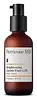
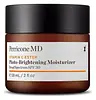
Perricone MD Vitamin C Ester Brightening Amine Face Lift Versus Perricone MD Vitamin C Ester Photo-Brightening Moisturiser Broad Spectrum SPF 30
This brightening serum is formulated around Glycolic Acid and Tetrahexyldecyl Ascorbate to brighten dull-looking skin and refine skin texture.
This brightening day moisturizer is formulated around Tetrahexyldecyl Ascorbate and Thioctic Acid to brighten dull-looking skin and soften the look of wrinkles.

What's inside
What's inside
 Key Ingredients
Benefits
Concerns
Ingredients Side-by-side
Water
Skin ConditioningGlycolic Acid
Buffering











Dimethyl Mea
BufferingIsopropyl Palmitate
Emollient



Tetrahexyldecyl Ascorbate
Antioxidant


Tyrosine
MaskingGlyceryl Stearate
Emollient
PEG-100 Stearate
Surfactant
Cetearyl Alcohol
Emollient

Benzyl Alcohol
Perfuming




Hydrogenated Lecithin
Emulsifying

Zinc Gluconate
Skin Conditioning
Magnesium Aspartate
Skin ConditioningCopper Gluconate
Skin Conditioning
Sodium Hyaluronate
Humectant
Disodium EDTA
ChelatingCeteareth-20
Cleansing
Dimethicone
Emollient
Phenoxyethanol
Preservative
Parfum
Masking
Alpha-Isomethyl Ionone
Perfuming
Benzyl Benzoate
Antimicrobial
Benzyl Salicylate
Perfuming
Citronellol
Perfuming
Eugenol
Perfuming
Geraniol
Perfuming
Hexyl Cinnamal
Perfuming
Linalool
Perfuming
Water, Glycolic Acid, Dimethyl Mea, Isopropyl Palmitate, Tetrahexyldecyl Ascorbate, Tyrosine, Glyceryl Stearate, PEG-100 Stearate, Cetearyl Alcohol, Benzyl Alcohol, Hydrogenated Lecithin, Zinc Gluconate, Magnesium Aspartate, Copper Gluconate, Sodium Hyaluronate, Disodium EDTA, Ceteareth-20, Dimethicone, Phenoxyethanol, Parfum, Alpha-Isomethyl Ionone, Benzyl Benzoate, Benzyl Salicylate, Citronellol, Eugenol, Geraniol, Hexyl Cinnamal, Linalool
Water
Skin ConditioningGlycerin
Humectant
Cyclopentasiloxane
Emollient
Dimethicone
Emollient
Pentylene Glycol
Skin Conditioning
Ethylhexyl Methoxycrylene
Skin Conditioning
Polyester-8
Skin Conditioning
Polyglyceryl-3 Polydimethylsiloxyethyl Dimethicone
Skin Conditioning
Hydroxyethyl Acrylate/Sodium Acryloyldimethyl Taurate Copolymer
Emulsion StabilisingBenzyl Alcohol
Perfuming
Aluminum Hydroxide
EmollientStearic Acid
Cleansing
Diethylhexyl Syringylidenemalonate
Skin Protecting
Hydrogenated Lecithin
Emulsifying
Isohexadecane
EmollientBisabolol
Antioxidant
Tetrahexyldecyl Ascorbate
Antioxidant
Phenoxyethanol
Preservative
Polysilicone-11
Polysorbate 60
Emulsifying
Caprylic/Capric Triglyceride
Masking
Sodium Benzoate
Masking
Potassium Sorbate
Preservative
Xanthan Gum
EmulsifyingHydrogenated Phosphatidylcholine
Emulsifying
Thioctic Acid
Antioxidant
Astaxanthin
Skin Conditioning
Water, Glycerin, Cyclopentasiloxane, Dimethicone, Pentylene Glycol, Ethylhexyl Methoxycrylene, Polyester-8, Polyglyceryl-3 Polydimethylsiloxyethyl Dimethicone, Hydroxyethyl Acrylate/Sodium Acryloyldimethyl Taurate Copolymer, Benzyl Alcohol, Aluminum Hydroxide, Stearic Acid, Diethylhexyl Syringylidenemalonate, Hydrogenated Lecithin, Isohexadecane, Bisabolol, Tetrahexyldecyl Ascorbate, Phenoxyethanol, Polysilicone-11, Polysorbate 60, Caprylic/Capric Triglyceride, Sodium Benzoate, Potassium Sorbate, Xanthan Gum, Hydrogenated Phosphatidylcholine, Thioctic Acid, Astaxanthin
Ingredients Explained
These ingredients are found in both products.
Ingredients higher up in an ingredient list are typically present in a larger amount.
Benzyl Alcohol is an aromatic alcohol with several roles: it's a preservative, solvent, and mild fragrance component with a floral scent.
This ingredient has been deemed safe for use in cosmetic formulations at concentrations up to 5%, and up to 10% in hair dyes. You'll typically see 0.5-2% in most rinse-off or leave-on products.
As a preservative, it works by disrupting the membrane of microbial proteins. This helps keep bacteria and fungi from growing in your products.
The sensitization picture is actually quite assuring as well:of nearly 71,000 patients patch tested with benzyl alcohol, only 0.21% showed a positive reaction with most of them being weakly positive.
This led researchers to conclude that benzyl alcohol cannot be regarded as a significant contact allergen.
It is worth noting this ingredient is classified as one of the EU's regulated fragrance allergens and restricted to 1% in finished products.
Labels must also declare it in concentrations above 0.001% in leave-on products and 0.01% in rinse-off products.
At concentrations around 5%, localized redness and itching can appear as a direct irritant response and not as a true allergic reaction.
Learn more about Benzyl AlcoholDimethicone is a type of synthetic silicone created from natural materials such as quartz. It is also known as polydimethylsiloxane.
What it does:
Dimethicone comes in different viscosities:
Depending on the viscosity, dimethicone has different properties.
Ingredients lists don't always show which type is used, so we recommend reaching out to the brand if you have questions about the viscosity.
This ingredient is unlikely to cause irritation because it does not get absorbed into skin. However, people with silicone allergies should be careful about using this ingredient.
Note: Dimethicone may contribute to pilling. This is because it is not oil or water soluble, so pilling may occur when layered with products. When mixed with heavy oils in a formula, the outcome is also quite greasy.
Learn more about DimethiconeHydrogenated Lecithin is a more stable version of lecithin.
It's made by taking lecithin (a phospholipid commonly found in soybeans and egg yolks) and hydrogenating it. This just means the unsaturated fatty acids are turned into saturated ones so they don't go bad as easily.
This ingredient is an emollient, emulsifier, and penetration enhancer. As an emollient, it helps soften and hydrate skin by trapping moisture within. As an emulsifier, it prevents oil and water ingredients from separating.
Hydrogenated Lecithin can form tiny spherical structures made of phospholipid bilayers called liposomes. These liposomes are able to capture compounds inside their structure and deliver them through the skin barrier.
Because phospholipids are a natural component of our cell membranes, this ingredient is inherently compatible with skin.
A 2021 study found lecithin-based surfactants were less harsh and more tolerable comared to Sodium Lauryl Sulfate (SLS).
Learn more about Hydrogenated LecithinPhenoxyethanol is one of the most widely used preservatives in skincare (and for good reason!).
It has a large spectrum of antimicrobial activity and especially effective bacteria, yeast, and mold while only having a weak effect on your skin's natural microbiome.
On a cellular level, it disrupts the cell membranes of microbes by poking holes that make the cell leak. This shuts down the chemical reactions the microbe needs to make energy so it can no longer survive.
Another perk of this ingredient is that it stays functional across a wide pH range (3-10).
You'll often see it paired with boosters like Ethylhexylglycerin; one study showed that a 1:9 ratio of Ethylhexylglycerin to Phenoxyethanol damages bacterial membranes as effectively as doubling the Phenoxyethanol concentration on its own.
Typical use concentrations range from 0.3-1% depending on the formula, and this ingredient is capped at 1% int the EU.
Safety-wise, the fear mongering does not hold up to the evidence. The EU's Scientific Committee on Consumer Safety and FDA consider it safe as a preservative at up to 1%, including for children of all ages.
Adverse systemic effects only showed up in animal studies at exposures roughly 200x higher than what people get from cosmetics. And despite its very widespread use, this ingredient is a rare sensitizer and allergic reactions are uncommon.
Learn more about PhenoxyethanolTetrahexyldecyl Ascorbate (THD) is a stable and oil-soluble form of Vitamin C.
THD is special in that it has the ability to travel deeper into skin than traditional ascorbic acid while maintaining the same skin benefits (double win!).
Because it’s oil-soluble, THD dives deep into your skin’s fatty layers (think ceramides and cholesterol) to fight off the kind of free radicals that mess with your skin barrier. This makes it a great pair with water-based vitamin C (ascorbic acid) that mainly works on the surface.
Even at just 0.1%, THD is already showing great antioxidant activity. When used up to 2%, it helps keep your skin happy and calm, especially when it’s stressed from pollution or sun.
Want to fade dark spots or tackle hyperpigmentation? You’ll want 5% or more. Pairing it with brightening buddies like niacinamide or licorice root gives even better results. One study even used 30% THD with other brighteners and saw real results on stubborn discoloration, even in melasma-prone skin.
A note on THD: It’s has a slightly silky, oily texture and usually shows up colorless or pale yellow (though the exact shade can vary by supplier).
While you can sneak it into water-based formulas, it really shines when paired with silicones or oils, which help your skin soak it up better.
THD is pretty stable, but it’s still vulnerable to degradation like ascorbic acid. Too much light or heat (above 113°F / 45°C) can break it down over time. Go for dark and opaque packaging that keeps it safe and shady!
Read more about other types of Vitamin C:
Learn more about Tetrahexyldecyl AscorbateWater. It's the most common cosmetic ingredient of all. You'll usually see it at the top of ingredient lists, meaning that it makes up the largest part of the product.
So why is it so popular? Water most often acts as a solvent - this means that it helps dissolve other ingredients into the formulation.
You'll also recognize water as that liquid we all need to stay alive. If you see this, drink a glass of water. Remember to stay hydrated!
Learn more about Water

