Paula's Choice Skin Recovery Enriched Calming Toner Versus Paula's Choice Moisture Boost Essential Hydrating Toner
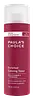
This barrier-repair toner is formulated around Oenothera Biennis Oil and Borago Officinalis Seed Oil to strengthen the skin barrier and calm redness.
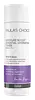
This hydrating toner is formulated around Superoxide Dismutase and Camellia Sinensis Leaf Extract to hydrate skin and calm redness.

What's inside
What's inside
 Key Ingredients
Benefits
Concerns
Ingredients Side-by-side
Water
Skin ConditioningCyclopentasiloxane
Emollient
Butylene Glycol
Humectant

Glycereth-26
Humectant
Dimethiconol
Emollient
Oenothera Biennis Oil
Emollient






Borago Officinalis Seed Oil
Emollient
Sodium Hyaluronate
Humectant

Tocopheryl Acetate
Antioxidant


Tocopherol
Antioxidant
Ascorbyl Palmitate
Antioxidant

Panthenol
Skin Conditioning
Allantoin
Skin Conditioning
Glycerin
Humectant
Hydrogenated Lecithin
Emulsifying
Caprylic/Capric Triglyceride
Masking
Niacinamide
Smoothing




Superoxide Dismutase
Antioxidant
PEG-40 Hydrogenated Castor Oil
Emulsifying
Myristamidopropyl Pg-Dimonium Chloride Phosphate
Skin ConditioningLaureth-4
Emulsifying
Laureth-23
Cleansing
Disodium EDTA
Sodium Benzoate
Masking
Chlorphenesin
Antimicrobial
Phenoxyethanol
Preservative
Benzoic Acid
Masking
Sorbic Acid
Preservative
Water, Cyclopentasiloxane, Butylene Glycol, Glycereth-26, Dimethiconol, Oenothera Biennis Oil, Borago Officinalis Seed Oil, Sodium Hyaluronate, Tocopheryl Acetate, Tocopherol, Ascorbyl Palmitate, Panthenol, Allantoin, Glycerin, Hydrogenated Lecithin, Caprylic/Capric Triglyceride, Niacinamide, Superoxide Dismutase, PEG-40 Hydrogenated Castor Oil, Myristamidopropyl Pg-Dimonium Chloride Phosphate, Laureth-4, Laureth-23, Disodium EDTA, Sodium Benzoate, Chlorphenesin, Phenoxyethanol, Benzoic Acid, Sorbic Acid
Water
Skin ConditioningGlycerin
Humectant
Pentylene Glycol
Skin Conditioning
Polysorbate 20
Emulsifying
Superoxide Dismutase
Antioxidant
Camellia Sinensis Leaf Extract
Antimicrobial
Epilobium Angustifolium Flower/Leaf/Stem Extract
Skin ConditioningVitis Vinifera Seed Extract
Antimicrobial
Sodium PCA
Humectant
Creatine
Skin ConditioningLecithin
Emollient
Linoleic Acid
Cleansing
Linolenic Acid
Cleansing

Sodium PEG-7 Olive Oil Carboxylate
Emulsifying
Magnesium Ascorbyl Phosphate
Antioxidant
Tocopheryl Acetate
Antioxidant
Butylene Glycol
Humectant
Panthenol
Skin Conditioning
Allantoin
Skin Conditioning
PEG-4
HumectantHydroxyethylcellulose
Emulsion StabilisingPhenoxyethanol
Preservative
Water, Glycerin, Pentylene Glycol, Polysorbate 20, Superoxide Dismutase, Camellia Sinensis Leaf Extract, Epilobium Angustifolium Flower/Leaf/Stem Extract, Vitis Vinifera Seed Extract, Sodium PCA, Creatine, Lecithin, Linoleic Acid, Linolenic Acid, Sodium PEG-7 Olive Oil Carboxylate, Magnesium Ascorbyl Phosphate, Tocopheryl Acetate, Butylene Glycol, Panthenol, Allantoin, PEG-4, Hydroxyethylcellulose, Phenoxyethanol
Reviews
Ingredients Explained
These ingredients are found in both products.
Ingredients higher up in an ingredient list are typically present in a larger amount.
Allantoin is a soothing ingredient known for its protective and moisturizing properties; it's basically a quiet workhorse ingredient you can find in a huge range of cosmetics.
Though it can be derived from the comfrey plant, allantoin is produced synthetically for cosmetic products to ensure purity.
Research shows it can encourage your skin cells to turn over and renew by stimulating keratinocyte and fibroblast proliferation.
It also has mild keratolytic properties to help loosen and shed dead skin cells without being harsh.
Studies also suggest allantoin can help calm inflammation by dialing down some of the chemical signals your skin sends out when it is irritated.
This ingredient is typically used in the 0.1-0.5% range, and the FDA recognizes it as a skin protectant in OTC products up to 2%.
Overall, allantoin is a wonderful addition to most routines; it is stable across a wide pH range (~4-8), works well with other ingredients, and is considered non-sensitizing/non-irritating.
Fun fact: Allantoin is naturally occurring in comfrey root, beets, chamomile, and wheat sprouts. Our bodies even produce it as a byproduct of uric acid metabolism.
Learn more about AllantoinButylene Glycol (or BG) is used within cosmetic products for a few different reasons:
Overall, Butylene Glycol is a safe and well-rounded ingredient that works well with other ingredients.
Though this ingredient works well with most skin types, some people with sensitive skin may experience a reaction such as allergic rashes, closed comedones, or itchiness.
Learn more about Butylene GlycolGlycerin (or glycerol) is a compound naturally found in your skin. It's a powerhouse humectant that pulls water into the stratum corneum.
Topically, glycerin does several things at once:
Your skin makes glycerin on its own (mostly from sebaceous oil breakdown) and shuttles it to your outermost layer of skin, or your epidermis, via aquaporin-3.
Aquaporin-3 is a transporter that is essential for normal skin hydration, elasticity, and repair. Interestingly, mice lacking in AQP3 have dry and less elastic skin that can be fully corrected with glycerin.
This ingredient is non-irritating, plays well with almost every ingredient, and works across all skin types. Typical use is anywhere between 3-10% but can go up to 79% in some leave-on products.
Just know very high concentrations (>40%) can feel tacky in low humidity.
Glycerin is the name for this ingredient in American English. British English uses Glycerol/Glycerine.
Learn more about GlycerinPanthenol is a common ingredient that helps hydrate and soothe the skin. It is found naturally in our skin and hair.
There are two forms of panthenol: D and L.
D-panthenol is also known as dexpanthenol. Most cosmetics use dexpanthenol or a mixture of D and L-panthenol.
Panthenol is famous due to its ability to go deeper into the skin's layers. Using this ingredient has numerous pros (and no cons):
Like hyaluronic acid, panthenol is a humectant. Humectants are able to bind and hold large amounts of water to keep skin hydrated.
This ingredient works well for wound healing. It works by increasing tissue in the wound and helps close open wounds.
Once oxidized, panthenol converts to pantothenic acid. Panthothenic acid is found in all living cells.
This ingredient is also referred to as pro-vitamin B5.
Learn more about PanthenolPhenoxyethanol is one of the most widely used preservatives in skincare (and for good reason!).
It has a large spectrum of antimicrobial activity and especially effective bacteria, yeast, and mold while only having a weak effect on your skin's natural microbiome.
On a cellular level, it disrupts the cell membranes of microbes by poking holes that make the cell leak. This shuts down the chemical reactions the microbe needs to make energy so it can no longer survive.
Another perk of this ingredient is that it stays functional across a wide pH range (3-10).
You'll often see it paired with boosters like Ethylhexylglycerin; one study showed that a 1:9 ratio of Ethylhexylglycerin to Phenoxyethanol damages bacterial membranes as effectively as doubling the Phenoxyethanol concentration on its own.
Typical use concentrations range from 0.3-1% depending on the formula, and this ingredient is capped at 1% int the EU.
Safety-wise, the fear mongering does not hold up to the evidence. The EU's Scientific Committee on Consumer Safety and FDA consider it safe as a preservative at up to 1%, including for children of all ages.
Adverse systemic effects only showed up in animal studies at exposures roughly 200x higher than what people get from cosmetics. And despite its very widespread use, this ingredient is a rare sensitizer and allergic reactions are uncommon.
Learn more about PhenoxyethanolSuperoxide Dismutase is found in all living cells. This ingredient is AKA as 'SOD'.
SOD is a strong antioxidant. It protects living cells against oxidative damage by breaking down radical molecules into regular oxygen and hydrogen peroxide.
Antioxidants help fight free-radical molecules that may damage your skin's DNA. This may help with the signs of aging. Due to its antioxidant property, it is used to help treat chronic inflammation.
In cosmetics, SOD is usually obtained from marine phytoplankton, bovine liver, horseradish, cantaloupe, and certain bacteria.
The three major families of SOD include: Copper/Zinc, Iron/Manganese, and Nickel.
When eating SOD-rich foods, our bodies break it down into amino acids before absorption. Foods that contain SOD include: melons, citrus, spinach, broccoli, kale, almonds, sunflower seeds, and blue-green algae.
Learn more about Superoxide DismutaseTocopheryl Acetate is a stable, shelf-friendly form of vitamin E.
Formulators love it because plain vitamin E oxidizes quickly once it hits air. This acetate version stays stable and resists going off, helping to extend a product's shelf life.
It's actually inactive on its own and works like a slow-release "storage" form; the enzymes in your skin called esterases gradually convert it into active vitamin E over time.
One in vivo study showed 5% of the acetate in the living layer of the epidermis converted to vitamin E after 5 days of application. This study also found the skin gained protection against UV damage even though the conversion was slow and small.
Once converted, vitamin E acts as a skin's main fat-soluble antioxidant that fights free radicals to protect skin from damage.
Topical vitamin E generally boosts the skin's photoprotection, and it reduced UV-damage in animal models.
This ingredient has some brightening potential but it's more of a prevention ingredient than spot-fader. Cell studies show it can slow down melanin production but it's worth noting that it's not the most powerful brightener out there.
Overall, it has a pretty solid safety profile and has been found to be non-irritating and non-comedogenic. Allergic reactions may happen but stay rare due to how widely the ingredient gets used.
The concentration will vary depending on the formula; industry data shows 0.1% in baby lotions, 3% in lipsticks, and 5% in foot powders. You can also find this ingredient at 100% in a pure vitamin E oil.
Most leave-on skincare keeps it at the lower end, often between 0.5-1%.
Learn more about Tocopheryl AcetateWater. It's the most common cosmetic ingredient of all. You'll usually see it at the top of ingredient lists, meaning that it makes up the largest part of the product.
So why is it so popular? Water most often acts as a solvent - this means that it helps dissolve other ingredients into the formulation.
You'll also recognize water as that liquid we all need to stay alive. If you see this, drink a glass of water. Remember to stay hydrated!
Learn more about Water

