
What's inside
What's inside
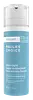 Key Ingredients
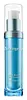
Benefits
Concerns
No concerns
Ingredients Side-by-side
Water
Skin ConditioningCyclopentasiloxane
Emollient
Butylene Glycol
Humectant

Dimethicone
Emollient
Glycerin
Humectant
Polysorbate 20
Emulsifying
Polysilicone-11

Lauryl PEG-9 Polydimethylsiloxyethyl Dimethicone
Skin Conditioning
Hyaluronic Acid
Humectant

Resveratrol
Antioxidant



Niacinamide
Smoothing




Quercetin
Antioxidant
Adenosine
Skin Conditioning
Tetrahexyldecyl Ascorbate
Antioxidant
Tocopherol
Antioxidant
Phospholipids
Skin Conditioning
Ubiquinone
Antioxidant
Epigallocatechin Gallate
Antioxidant
Sea Whip Extract
Skin ConditioningBisabolol
Antioxidant
Beta-Glucan
Skin Conditioning
Phytic Acid

Xanthan Gum
EmulsifyingAcrylates/C10-30 Alkyl Acrylate Crosspolymer
Emulsion StabilisingSodium Hydroxide
BufferingDisodium EDTA
Ethylhexylglycerin
Skin ConditioningPhenoxyethanol
Preservative
Water, Cyclopentasiloxane, Butylene Glycol, Dimethicone, Glycerin, Polysorbate 20, Polysilicone-11, Lauryl PEG-9 Polydimethylsiloxyethyl Dimethicone, Hyaluronic Acid, Resveratrol, Niacinamide, Quercetin, Adenosine, Tetrahexyldecyl Ascorbate, Tocopherol, Phospholipids, Ubiquinone, Epigallocatechin Gallate, Sea Whip Extract, Bisabolol, Beta-Glucan, Phytic Acid, Xanthan Gum, Acrylates/C10-30 Alkyl Acrylate Crosspolymer, Sodium Hydroxide, Disodium EDTA, Ethylhexylglycerin, Phenoxyethanol
Water
Skin ConditioningGlycerin
Humectant
Dimethicone
Emollient
Butylene Glycol
Humectant
Neopentyl Glycol Diheptanoate
EmollientAluminum Starch Octenylsuccinate
Absorbent
Isododecane
EmollientDimethiconol
Emollient
Ammonium Acryloyldimethyltaurate/Vp Copolymer
Ethylhexylglycerin
Skin ConditioningBenzyl Alcohol
Perfuming




Sodium Lactate
Buffering
Cetearyl Olivate
Bisabolol
Antioxidant
Chlorphenesin
Antimicrobial
Sorbitan Olivate
Emulsifying
Sodium PCA
Humectant
Parfum
Masking

Sodium Hyaluronate
Humectant
Acrylates/C10-30 Alkyl Acrylate Crosspolymer
Emulsion StabilisingSorbitol
Humectant
Chondrus Crispus Extract
Skin Conditioning
Sodium Hydroxide
BufferingProline
Skin Conditioning
Portulaca Oleracea Extract
Skin Conditioning
Propylene Glycol
Humectant
Citric Acid
Buffering
Magnesium Aspartate
Skin ConditioningZinc Gluconate
Skin Conditioning
Copper Gluconate
Skin Conditioning
Water, Glycerin, Dimethicone, Butylene Glycol, Neopentyl Glycol Diheptanoate, Aluminum Starch Octenylsuccinate, Isododecane, Dimethiconol, Ammonium Acryloyldimethyltaurate/Vp Copolymer, Ethylhexylglycerin, Benzyl Alcohol, Sodium Lactate, Cetearyl Olivate, Bisabolol, Chlorphenesin, Sorbitan Olivate, Sodium PCA, Parfum, Sodium Hyaluronate, Acrylates/C10-30 Alkyl Acrylate Crosspolymer, Sorbitol, Chondrus Crispus Extract, Sodium Hydroxide, Proline, Portulaca Oleracea Extract, Propylene Glycol, Citric Acid, Magnesium Aspartate, Zinc Gluconate, Copper Gluconate
Ingredients Explained
These ingredients are found in both products.
Ingredients higher up in an ingredient list are typically present in a larger amount.
Acrylates/C10-30 Alkyl Acrylate Crosspolymer is a synthetic polymer. It is used to thicken, emulsify, and improve the texture of products.
As an emulsifier, it helps stabilize oil-in-water emulsions to give products an elegant feel when applied.
It can also form a thin protective film on skin. One study found that a formula using this polymer helped slow down how quickly other ingredients (like DEET) were absorbed through skin.
A 2024 study of over 1,300 patients confirmed that sensitization to this ingredient is rare. It is also non-mutagenic and has a clean track record.
Learn more about Acrylates/C10-30 Alkyl Acrylate CrosspolymerBisabolol is a gentle skin conditioner, antioxidant, and soothing ingredient.
It's primary claim to fame is soothing and research shows topically applied bisabolol can quiet the chemical messengers that cause your skin to become inflamed, helping to sooth any irritation.
A clinical study found that applying 0.5% bisabolol daily for 8 weeks produced an average 9% decrease in skin pigmentation. Researchers found it can also suppress the process that leads to excess melanin production in skin.
In vitro studies found that bisabolol combined with propylene glycol significantly increased skin permeability by increasing lipid fluidity in the stratum corneum.
You'll likely see use concentrations quite low, usually 0.1-0.2%.
Overall, this is a well-tolerated ingredient that works well in formulas designed for sensitive, reactive, or post-procedure skin.
Learn more about BisabololButylene Glycol (or BG) is used within cosmetic products for a few different reasons:
Overall, Butylene Glycol is a safe and well-rounded ingredient that works well with other ingredients.
Though this ingredient works well with most skin types, some people with sensitive skin may experience a reaction such as allergic rashes, closed comedones, or itchiness.
Learn more about Butylene GlycolDimethicone is a type of synthetic silicone created from natural materials such as quartz. It is also known as polydimethylsiloxane.
What it does:
Dimethicone comes in different viscosities:
Depending on the viscosity, dimethicone has different properties.
Ingredients lists don't always show which type is used, so we recommend reaching out to the brand if you have questions about the viscosity.
This ingredient is unlikely to cause irritation because it does not get absorbed into skin. However, people with silicone allergies should be careful about using this ingredient.
Note: Dimethicone may contribute to pilling. This is because it is not oil or water soluble, so pilling may occur when layered with products. When mixed with heavy oils in a formula, the outcome is also quite greasy.
Learn more about DimethiconeEthylhexylglycerin is created from glycerin. It is a multitasker ingredient that:
The CIR Expert Panel found minimal skin absorption or sensitization of any kind in a safety assessment. Though this ingredient is considered well-tolerated, a small number of cases of allergic dermatitis have been published since 2002. Just be sure to patch test if you are unsure.
Industry-reported use ranges from 8% in rinse-off products and 2% in leave-on formulations.
Learn more about EthylhexylglycerinGlycerin (or glycerol) is a compound naturally found in your skin. It's a powerhouse humectant that pulls water into the stratum corneum.
Topically, glycerin does several things at once:
Your skin makes glycerin on its own (mostly from sebaceous oil breakdown) and shuttles it to your outermost layer of skin, or your epidermis, via aquaporin-3.
Aquaporin-3 is a transporter that is essential for normal skin hydration, elasticity, and repair. Interestingly, mice lacking in AQP3 have dry and less elastic skin that can be fully corrected with glycerin.
This ingredient is non-irritating, plays well with almost every ingredient, and works across all skin types. Typical use is anywhere between 3-10% but can go up to 79% in some leave-on products.
Just know very high concentrations (>40%) can feel tacky in low humidity.
Glycerin is the name for this ingredient in American English. British English uses Glycerol/Glycerine.
Learn more about GlycerinSodium Hydroxide is also known as lye or caustic soda. It is used to adjust the pH of products; many ingredients require a specific pH to be effective.
In small amounts, sodium hydroxide is considered safe to use. However, large amounts may cause chemical burns due to its high alkaline.
Your skin has a natural pH and acid mantle. This acid mantle helps prevent harmful bacteria from breaking through. The acid mantle also helps keep your skin hydrated.
"Alkaline" refers to a high pH level. A low pH level would be considered acidic.
Learn more about Sodium HydroxideWater. It's the most common cosmetic ingredient of all. You'll usually see it at the top of ingredient lists, meaning that it makes up the largest part of the product.
So why is it so popular? Water most often acts as a solvent - this means that it helps dissolve other ingredients into the formulation.
You'll also recognize water as that liquid we all need to stay alive. If you see this, drink a glass of water. Remember to stay hydrated!
Learn more about Water
